Introduction
To read product labels and avoid “healthy traps,” check the list of ingredients, serving size, and the product’s nutritional value. Pay attention to the amounts of sugar, fat, and salt, as well as the best-before date or use-by date.
Do not base your choice solely on claims on the front of the packaging — compare specific information on food product labels.
Packaging can promise a lot: naturalness, lightness, or high quality. These terms may catch the eye, but they do not in themselves indicate how much sugar a product contains or what it is made of. It is therefore worth taking a moment to read labels — it is a simple habit that makes it easier to make informed decisions when buying food.
In the following sections, we will look at what popular claims really mean, how to understand the ingredients, and which nutritional values to pay attention to. This will make reading product labels less burdensome, and choosing food products — better suited to your needs.
What lies behind catchy claims?
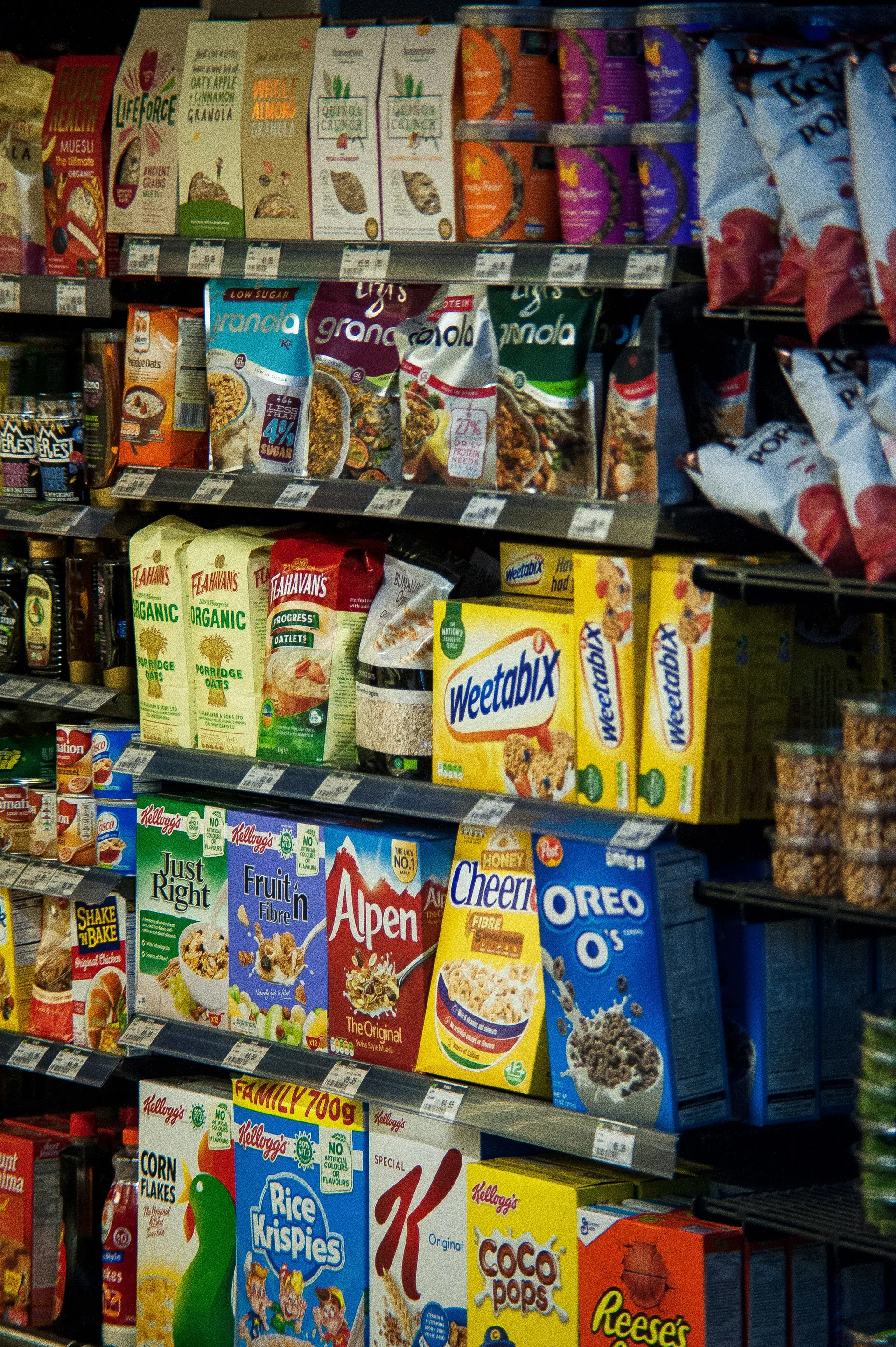
Claims on packaging may attract attention, but on their own they do not provide complete information about the ingredients or value of the product. Therefore, it is worth carefully checking the list of ingredients, the nutrition table, and understanding precisely what the claim refers to.
Light product and zero sugar
The term “light” usually means an reduced content of a specific ingredient or energy value compared with a similar product. However, this does not automatically mean that the product is low in calories or healthier. In turn, the claim “zero sugar” indicates the absence of sugars in the amount specified by regulations. However, it is worth remembering that such a product may contain sweeteners or other ingredients that affect its nutritional value. It is best to compare labels and carefully check what the stated values refer to.
Natural and organic
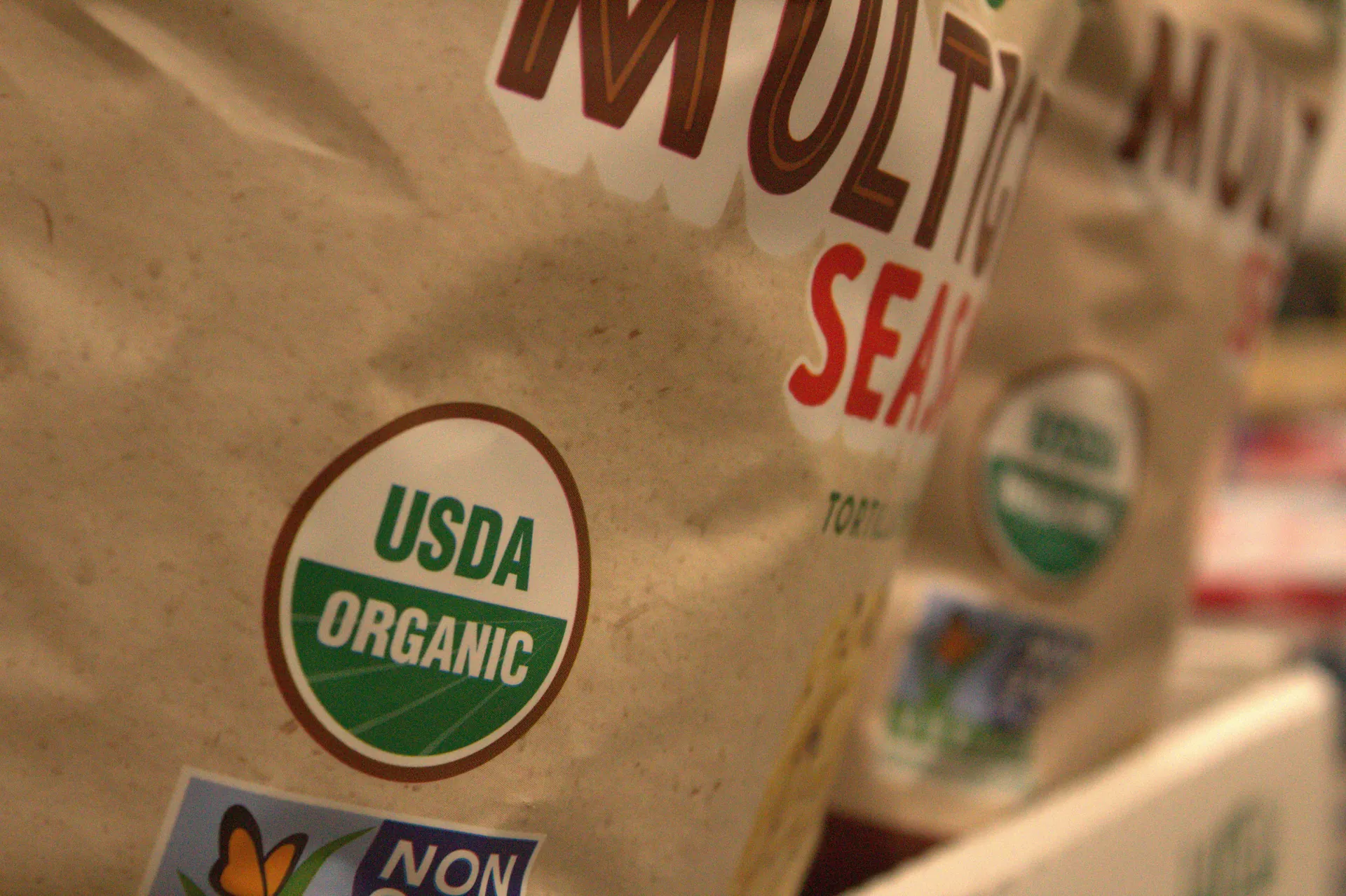
The claim “natural” can be used in different contexts, so it is worth checking whether its meaning for a particular product is explained on the packaging. It does not determine the composition, method of processing, or nutritional quality. However, the term “organic” or “ecological” should be supported by appropriate certification and labelling. A certification mark helps verify whether a product meets specific production standards.
Ingredients you should know
The ingredient list can help assess what is actually in a product. It is worth reading it carefully, especially when we want to limit specific substances or avoid ingredients that do not agree with us.
Hidden sugars
Sugar can appear under different names, for example as glucose-fructose syrup, dextrose, maltodextrin, or fruit juice concentrate. If several such ingredients appear high on the list, the product may contain a considerable amount of them, even if the packaging emphasizes that no regular sugar has been added.
Fats and oils
Pay attention to the type of fat, not just its amount. Vegetable oils may differ in composition, and terms such as “vegetable fat” do not always indicate a specific raw material. It is also worth checking whether the product contains partially hydrogenated fats.
Additives and preservatives
Additives serve various functions: they may improve the texture, taste, colour or shelf life of a product. Their presence alone does not determine quality; however, it is worth checking what role they play and whether the product contains ingredients you prefer to avoid.
If you have allergies or intolerances, always rely on the full ingredient list and allergen labelling.
Key information to help you avoid pitfalls
Serving sizes and nutritional value
Check what serving size is used on the label as the basis for the stated nutritional values. Compare it with the amount you actually intend to eat — the package may contain several servings.
Pay attention not only to calories, but also to the content of sugars, salt, saturated fats and fibre.
Allergens
Read the ingredient list and the highlighted allergen information, even if you buy the product regularly. Recipes may change, and a warning about the possible presence of an allergen does not always mean that it is an ingredient of the product.
If you have a severe allergy, contact the manufacturer if in doubt.
Use-by date
Distinguish between “use by” and “best before”. The former concerns food safety — after this date, the product should not be consumed.
The latter relates primarily to quality; after this date, the product may still be fit for consumption if it has been properly stored and its appearance, smell, and taste raise no concerns.
Conclusion
Finally, it is worth remembering that even a small step can initiate a big change. Identify what is most important to you, choose one specific goal, and start taking action today.
You do not need to have a perfect plan or wait for the right moment — what matters is consistency, patience, and willingness to learn along the way. Return to the key takeaways, monitor your progress, and adjust your actions when the situation requires it.
If something does not work out, treat it as a lesson, not a reason to give up. Take the first step now: the decision you make can bring you closer to the desired outcome.
FAQ
Check the ingredient list: sugar may appear as sucrose, glucose, fructose, dextrose, maltose, maltodextrin, molasses, honey, caramel, or glucose-fructose syrup. The higher up a name appears, the more of it the product contains.
In the nutrition table, look for “of which sugars” per 100 g, remembering that this includes both naturally occurring and added sugars.
Comparing nutritional values per 100 g or 100 ml makes it easier to assess products with different package sizes and serving portions. It allows you to fairly compare calories and sugar, fat, salt, or protein content, making it easier to choose a healthier product and manage your daily diet.
No. “Fit” and “natural” can be marketing terms, while “no added sugar” only means that no sugars have been added, not necessarily that the product is low in sugar or calories. A product may contain a lot of fat, salt, or sweeteners.
Assess the ingredients, nutritional values, serving size, and degree of processing.
At the beginning of the ingredient list, pay attention to sugar, glucose-fructose syrup, palm and hydrogenated oils, salt, and artificial additives. Ingredients are listed in descending order by weight, so the first items are present in the largest amounts.
It is also worth checking allergens, the length of the list, and names suggesting that the product is highly processed.

Conscious man - aware of the value of health and the need to take care of health. I prefer prevention. How do I do it? - conscious supplementation of the daily diet with the best supplements. Independent distributor of Nature's Sunshine products. Both me and my whole family use NSP supplements and cosmetics on a regular basis.