- Insulin Resistance and Diet – The Key to Better Health Outcomes
- Principles of an Effective Diet in Insulin Resistance
- The best products for an insulin resistance diet
- Products and habits to avoid with insulin resistance
- Menu for Results – Sample Day in a Diet for Insulin Resistance
- Why is diet not everything? The importance of lifestyle
- Summary: Your action plan for healthy outcomes
- FAQ
Insulin Resistance and Diet – The Key to Better Health Outcomes
Insulin resistance is a condition where the body’s cells become less sensitive to insulin. As a result, the pancreas must produce larger amounts of insulin to maintain normal blood glucose levels. This can lead to chronically elevated insulin levels, increasing the risk of type 2 diabetes, obesity, and cardiovascular problems.
The diet for insulin resistance aims to reduce the insulin load and stabilize blood glucose levels, improving tissue sensitivity to insulin. It is important to choose products with a low glycemic index, such as vegetables, whole grain bread, grains, lean meats, fish, legumes, and seeds.
Each meal should include protein, healthy fats, and carbohydrates with a low glycemic index. For example, whole rye bread instead of wheat or herbal teas instead of sweetened drinks. This way of eating supports glucose control and the reduction of body fat.
The diet doesn’t have to be difficult – it’s about gradually introducing changes and understanding how it affects metabolism. In the following sections, we will discuss the detailed principles of meal planning.
Principles of an Effective Diet in Insulin Resistance
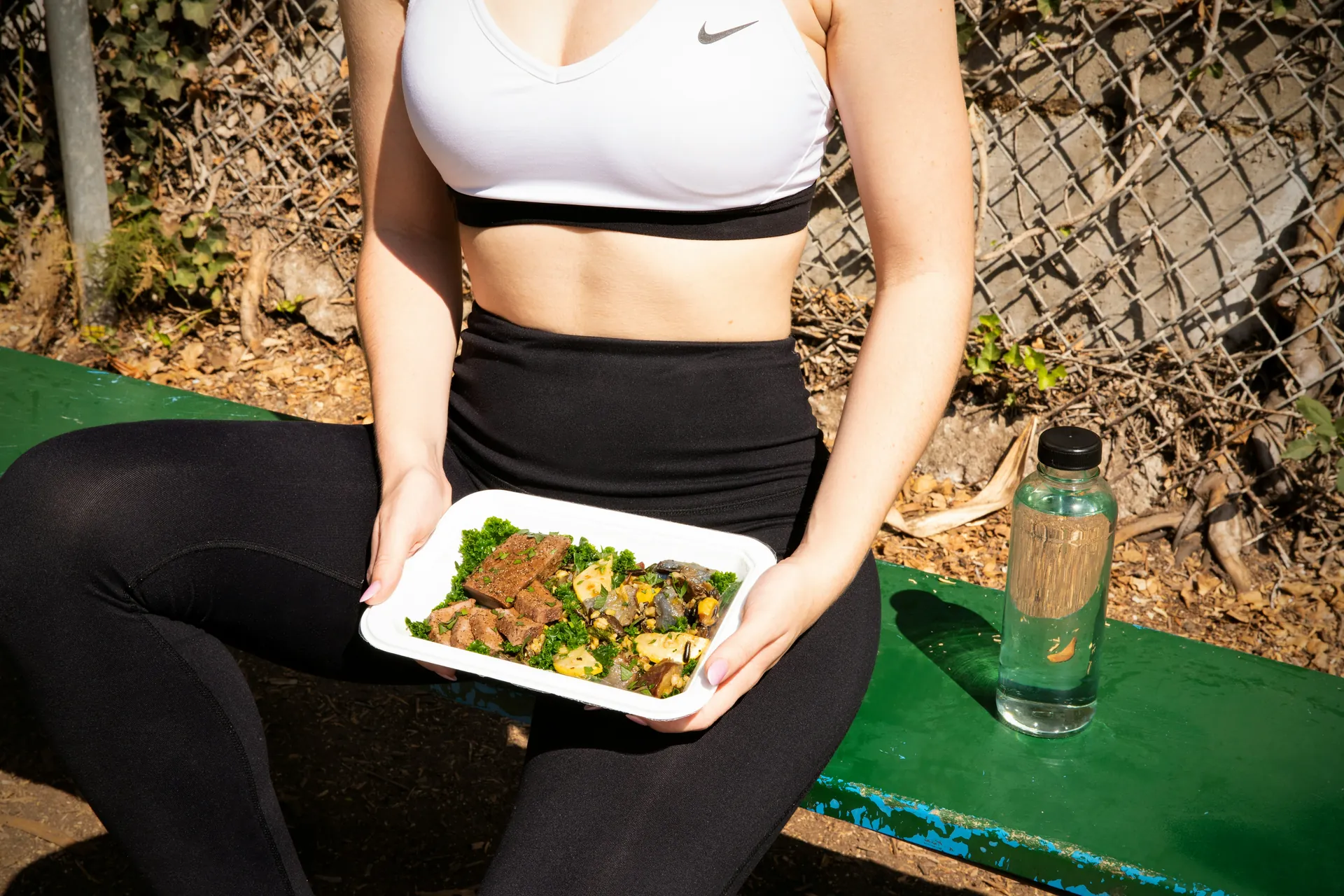
An effective diet for insulin resistance primarily involves meal planning that supports a stable blood glucose level and enhances tissue sensitivity to insulin action. A balanced diet allows for weight control, improvement in lipid profile, and reduction of inflammation, which is crucial in preventing type 2 diabetes and cardiovascular diseases.
Why is diet so important?
Diet directly affects insulin resistance by influencing blood glucose levels, insulin levels, and fat storage. Regular consumption of foods with a high glycemic index and large glycemic load leads to frequent insulin peaks, which in the long term increases the resistance of cells to its action.
Introducing appropriate dietary changes allows not only for better glycemic control but also for reducing symptoms such as constant hunger, fatigue, mood swings, and concentration problems.
Basic nutritional rules for insulin resistance
The key elements in an anti-insulin resistance diet are meal regularity, minimizing processed foods, and maximizing the consumption of fresh products. It’s worth approaching food consciously – eat meals at set times, avoiding long gaps between them.
Every meal should include a combination of low glycemic index carbohydrates, a source of protein, and plant-based fats. It’s also important to watch portion sizes, especially for carbohydrate-containing products like grains, pasta, or bread.
Glycemic Index and Glycemic Load – How to Use Them?
Glycemic Index (GI) indicates how quickly a product affects the increase in blood glucose levels compared to glucose as a standard. Products with a low GI (e.g. whole grain cereals, fruits, vegetables, nuts) should be the foundation of the diet because they cause a slower and more controlled increase in glycemia.
Glycemic Load (GL) combines the glycemic index with the actual amount of carbohydrates in a portion, allowing for a better assessment of the overall impact of a meal on blood sugar levels. Reducing both indicators by choosing whole grain products, unprocessed vegetables and fruits, and avoiding sugary drinks or pastries made with white flour significantly reduces the risk of insulin resistance and supports its reversal.
The Role of Macronutrients: Protein, Fats, Carbohydrates
Proper proportions of macronutrients are crucial in a diet for insulin resistance. Moderate but regular consumption of high-quality protein – from plant sources (e.g. legumes, grains, nuts) and animal sources (e.g. lean meats, fish, eggs, fresh dairy) – helps maintain muscle mass, improves satiety, and mitigates glucose level spikes.
Fats should mainly come from plant-based, easily digestible sources such as olive oil, avocado, nuts, and seeds.
Carbohydrates should be chosen as whole, gluten-free, or whole grains, and their quantity adjusted to physical activity and individual needs. Too low carbohydrate intake can lead to an excessive share of protein and fat, which may not be beneficial in the long term.
Fiber and other nutrients to pay attention to
Fiber is one of the most important components of an anti-insulin resistance diet. Whole vegetables, fruits, legumes, dried fruits, groats, and whole grain bread provide high intake of both soluble and insoluble fiber, which stabilizes digestion, prolongs satiety, and slows down glucose absorption.
It is also worth ensuring adequate intake of magnesium, chromium, and zinc, which influence carbohydrate metabolism and insulin sensitivity. Foods rich in these nutrients include, among others, pumpkin seeds, nuts, whole grains, vegetable fruits, and fish. Additionally, avoiding processed products with added sugar, trans fats, and excess salt allows for better management of insulin resistance and overall immune system health.
The best products for an insulin resistance diet
What should be included in your diet plan?
In a diet for insulin resistance, it’s essential to consistently combine low glycemic index products with a large amount of fiber. It’s worth incorporating servings of vegetables, whole grain cereals, healthy fats, and protein daily – both plant and animal-based. Such a composition stabilizes glucose levels in the blood, prolongs satiety, and supports metabolism.
Avoid sweets, sugary drinks, ready-made, and processed foods. It’s also important to remember that the order of ingredient consumption during a meal is equally crucial: first protein and fat, then carbohydrates, which significantly reduces the insulin spike after a meal.
Vegetables and fruits: which ones to choose?
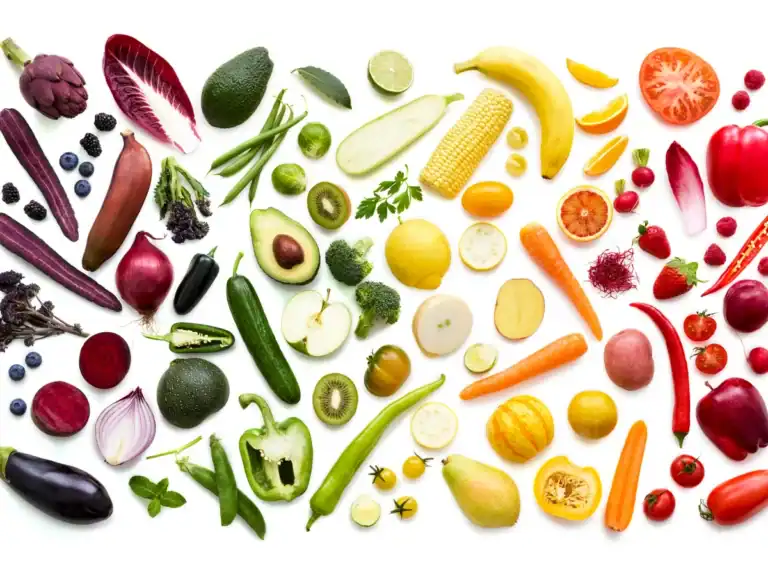
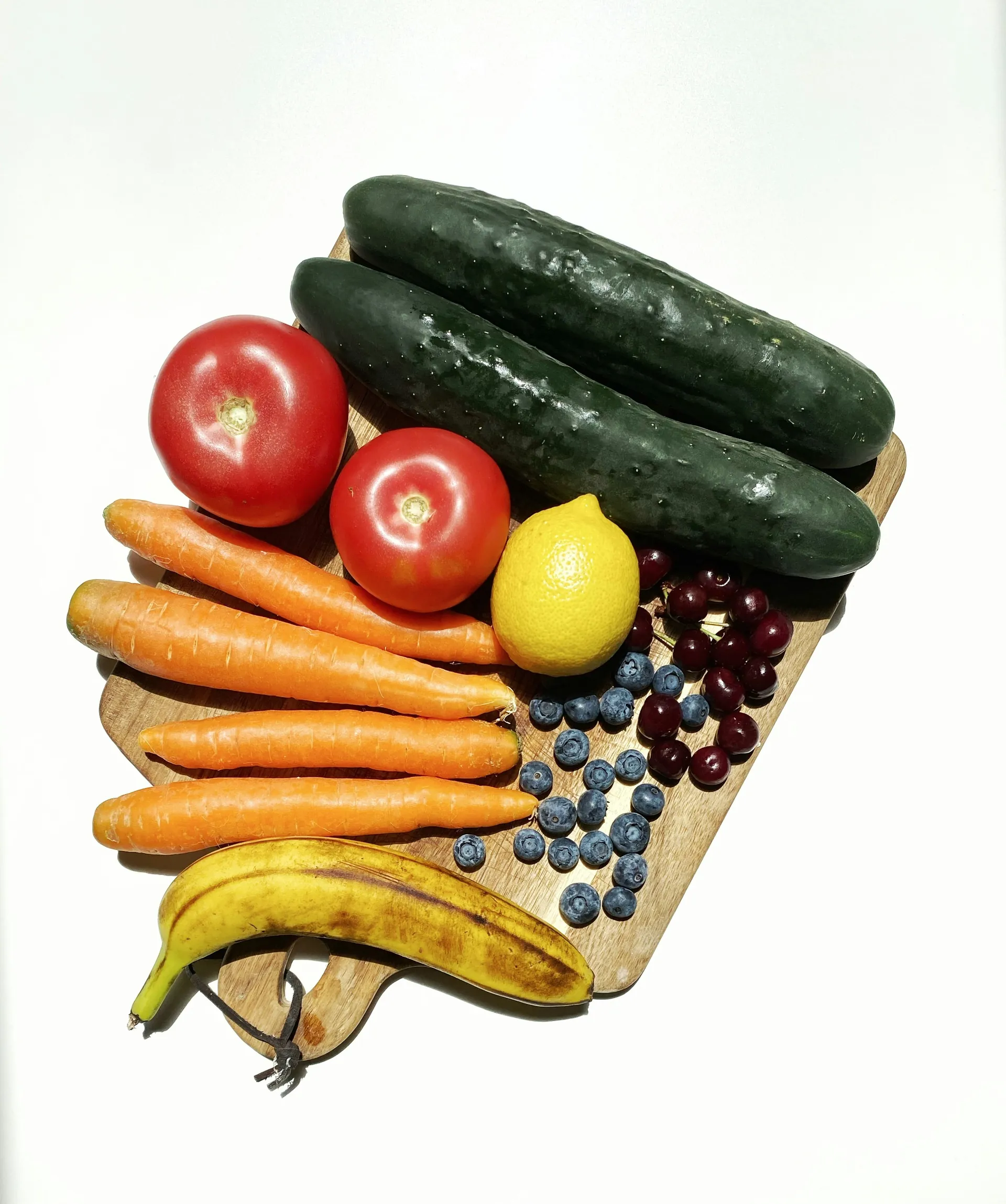
With insulin resistance, half of your plate should be filled with non-starchy vegetables. Ideal choices include green cabbage, broccoli, cauliflower, spinach, lettuce, asparagus, peppers, radishes, carrots, and alliums. These vegetables are rich in fiber, antioxidants, and minerals, while being low in carbohydrates and having a low glycemic load.
It’s also beneficial to increase the intake of cruciferous vegetables, which support metabolic health. Among the fruits, those with higher fiber content are most favorable, such as apples, pears, citrus fruits, peaches, and berries – blackberries, raspberries, strawberries, and blueberries. Fruits are safest consumed in servings, 1–2 times a day, preferably with protein or fat to avoid glucose spikes.
Which groats, bread, pasta? A guide to cereal products
Grain products in the diet for insulin resistance should be mainly whole grain and as little processed as possible. Choose oatmeal, millet groats, mijo, quinoa, whole grain rye bread, buckwheat, farro, or amaranth. Metabolic health is also supported by oatmeal, rich in β-glucan, which improves insulin sensitivity.
Pasta and bread should be chosen to be entirely whole grain and without added sugar. It’s worth limiting white bread, white pasta, white rice, or sweetened cereals that rapidly raise glucose levels.
If you like to bake regular bread, look for products that clearly state “whole grain” and “without added sugar” on the label.
Healthy sources of fat
Healthy fats are an essential part of a diet that supports insulin sensitivity. The best sources include cold-pressed olive oil, avocado, nuts (almonds, walnuts, cashews), chia seeds, flaxseeds, sunflower seeds, and pumpkin seeds. Unsaturated fats reduce fat tissue sensitivity, improve the lipid profile, and support the absorption of fat-soluble vitamins.
It’s also worth including fatty sea fish like salmon, herring, albacore tuna, or mackerel, rich in omega-3 acids, which reduce inflammation associated with insulin resistance. Consume fats in moderate portions, e.g., 1–2 tablespoons of oil per meal or 1–2 tablespoons of nuts daily.
Protein – plant and animal options
Protein plays a key role in the diet of people with insulin resistance because it inhibits the rise of glucose after a meal and supports the maintenance of muscle mass. Animal sources include lean poultry meat without skin, lean cuts of beef and pork, fish (especially fatty sea fish), eggs, and low-fat dairy products. The diet should also include plant-based products such as beans, chickpeas, lentils, black, red, and other kinds of beans, tofu, tempeh, plant-based milk alternatives, and whole grain bread.
It’s worth regularly combining plant-based products with animal protein in various meals, such as a salad with chickpeas and chicken or quinoa with salmon and vegetables. These kinds of combinations increase fiber content and help stabilize blood sugar levels.
Products and habits to avoid with insulin resistance
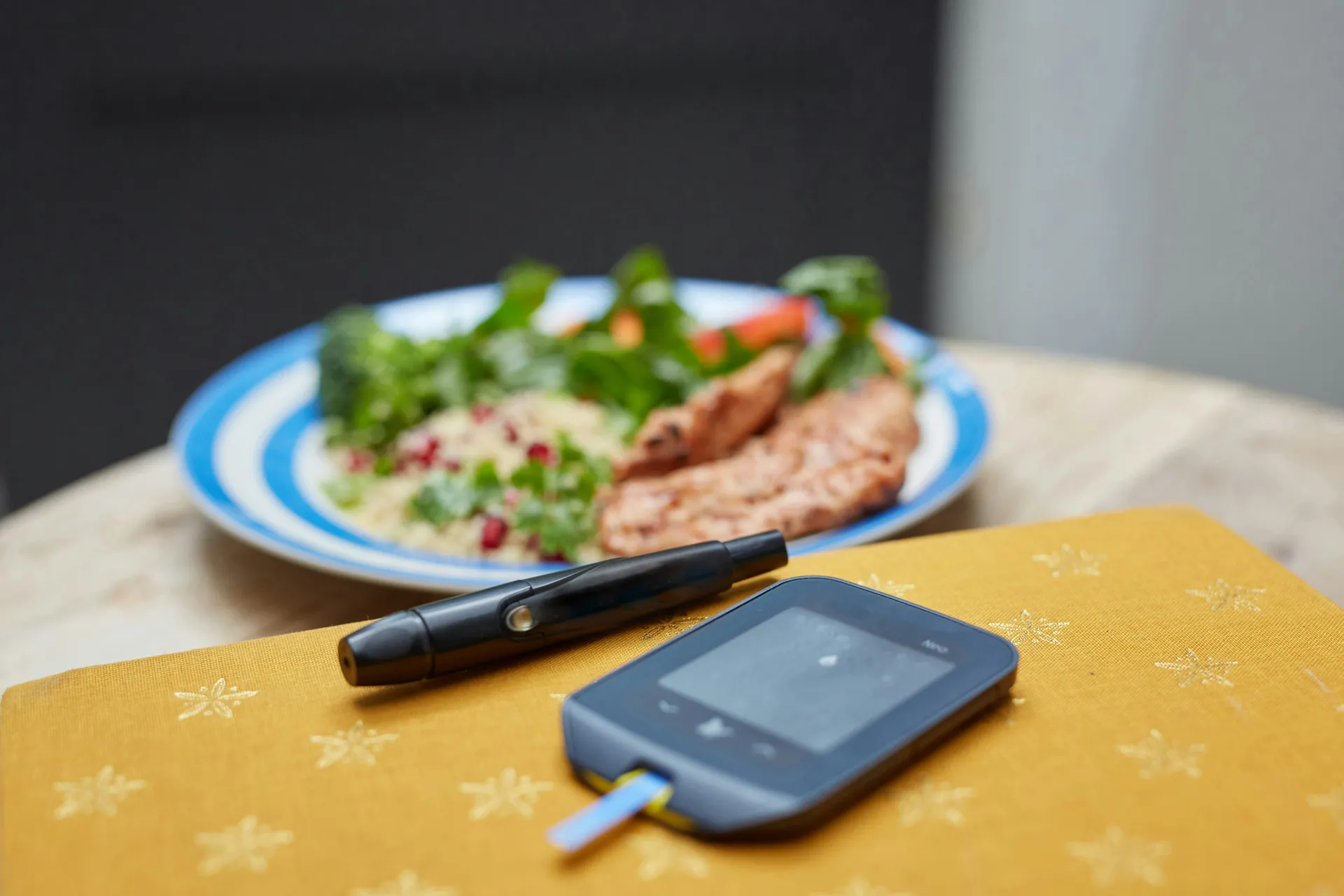
With insulin resistance, what you avoid is as crucial as what you eat. High glycemic index, hidden sugar, and processed foods are the main ‘enemies’ of insulin. Being aware of which products are most harmful and which daily habits exacerbate the issue is the first step to controlling it.
High glycemic index – list of threats
If your cells have difficulty receiving insulin signals, every rapid increase in glucose levels acts as an additional burden. The biggest threat comes from products with a high glycemic index (above 70), which quickly turn into glucose in the blood. Typical “culprits” include white bread, white rice, pasta made from white flour, French fries, chips, popcorn, fruit juices, sweetened breakfast cereals, and sodas and sports drinks.
Even some “healthy” products, such as dried fruits or sweetened yogurts, can contain a lot of sugar and have a high glycemic load. Fruits with a high glycemic index, such as watermelon, pineapple, or bananas, should be consumed in moderation, preferably combined with protein or fat to slow their absorption.
Sugar under scrutiny: hidden sources and reading labels
One of the biggest challenges with insulin resistance is sugar, which often remains invisible at first glance. Regularly reading labels is the foundation of a healthy choice – even if the product is marked as “fat-free” or “low-calorie.” Sugar can appear under different names, such as cane sugar, fructose, glucose, high-fructose corn syrup, molasses, or maltodextrin.
Hidden sources of sugar are found in sauces, marinades, “low-fat” yogurts, muesli, “healthy” bars, granolas, smoothie shakes, and even in some types of mayonnaise or ketchup. To effectively control insulin resistance, it is worth avoiding not only obvious sweets but also regularly checking the sugar content in food products.
Highly Processed Foods and Quick Snacks
Highly processed foods, meaning packaged, ready-to-eat products often saturated with oils, salt, and sugar, have a very negative impact on insulin resistance. This group includes, among others, frozen ready meals, powdered soups, canned goods, processed meats, fruit smoothies, chips, cookies, ice cream, and sweetened drinks.
Studies show that regular consumption of such products increases the risk of insulin resistance and type II diabetes. Long-term consumption leads to an increase in abdominal fat, which further exacerbates the problem. Instead, it is worth choosing foods in their natural form, such as vegetables, fruits, nuts, seeds, fish, lean meats, and whole grain products.
Alcohol and Sweetened Drinks – Do They Have a Place in This Diet?
Alcohol is another factor that can exacerbate insulin resistance. Excessive alcohol consumption, especially in the form of sweet alcoholic drinks, can lead to fatty liver, which makes glucose regulation difficult. Particularly dangerous are alcoholic beverages with a high sugar content, such as beer, sweet wines, cocktails with juices, or carbonated drinks.
However, not all alcohol acts the same way. “Dry” drinks, such as dry wines or spirits consumed without additives, have a smaller impact on glucose levels, especially when consumed in moderation. Nonetheless, one should remember the risk of hypoglycemia, particularly if taking medications that lower blood sugar levels. It’s advisable to limit alcohol consumption to a minimum and consider it an occasional choice.
Meal Planning and Proper Proportions
The effectiveness of a diet depends on careful planning and regularity. It is recommended to consume 3 main meals (breakfast, lunch, dinner) and 1–2 lighter snacks daily. This helps maintain a stable blood glucose level and control hunger.
Optimal intervals between meals are about 4–5 hours, and snacks should be consumed 2–3 hours after a main meal. Fixed meal times, e.g., breakfast at 7–8, lunch at 12–13, dinner at 18–19, support the metabolic rhythm and make daily organization easier.
When composing meals, it’s worthwhile to follow the rule of proportions: about 50% vegetables, 25% protein, and 25% carbohydrates. Every meal should include a source of protein (e.g., poultry, fish, eggs, tofu, dairy), vegetables (preferably fresh and diverse), and a small portion of low-glycemic index carbohydrates (e.g., groats, brown rice, fruits). Fats should be limited to 1–2 tablespoons of olive oil or a small amount of nuts per meal.
Hydration and Drinks
Proper hydration plays a key role in weight loss and insulin resistance management. It is recommended to consume 1.5–2 liters of water daily, depending on physical activity and ambient temperature. Water, unsweetened herbal teas, and green tea support metabolism and improve concentration.
One should avoid sugar-sweetened beverages and excess caffeine, especially in the evening. Sweeteners, such as erythritol or stevia, can be helpful in reducing sugar intake, but they should be used in moderation. It is better to gradually acclimate the body to less sweetness than to completely replace it with sweeteners.
Menu for Results – Sample Day in a Diet for Insulin Resistance
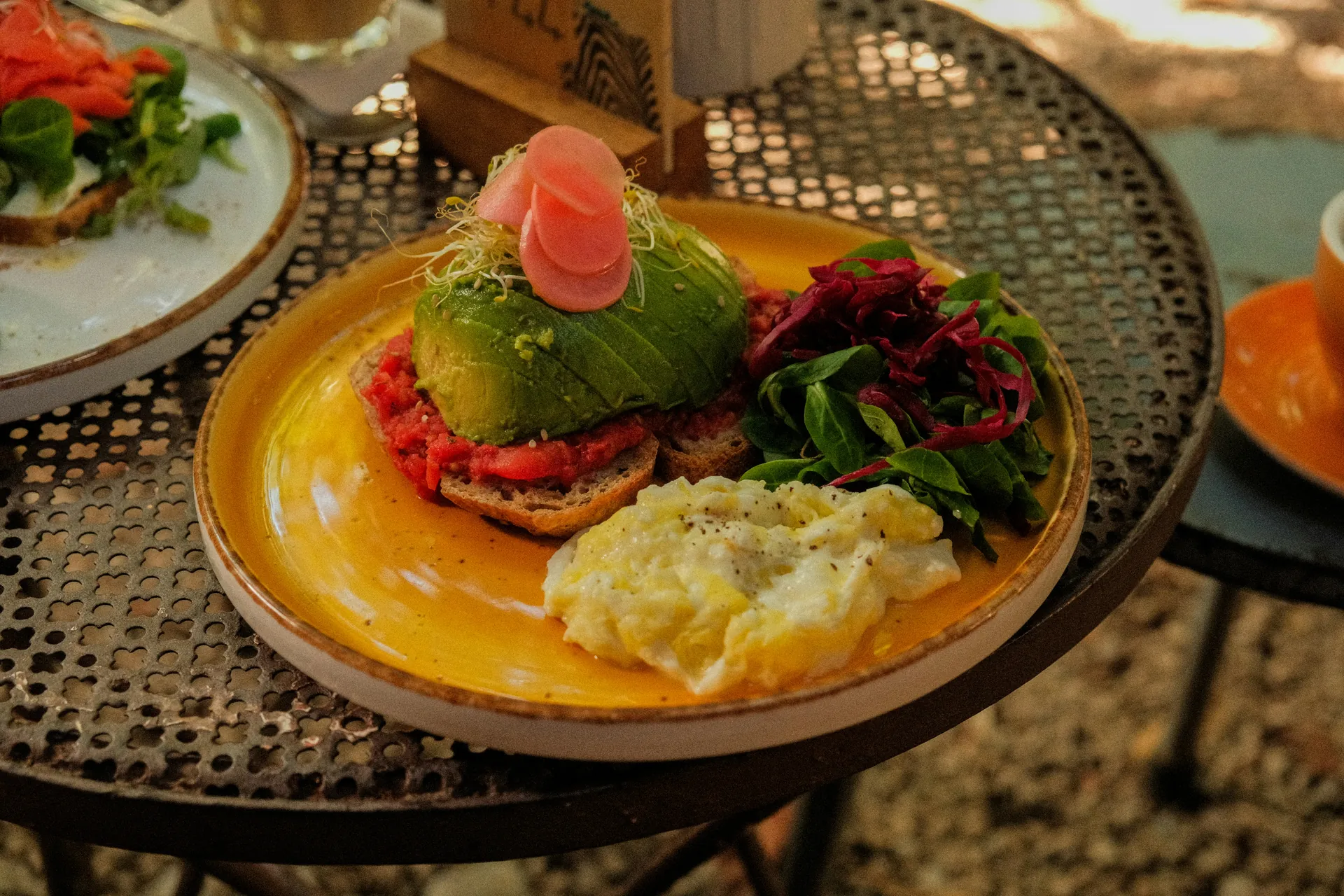
Throughout the day, it is important to ensure proper distribution of calories and nutrients to avoid sudden spikes in blood glucose levels. A sample menu that you can adjust to your preferences might look as follows.
Breakfast
Breakfast is the first step towards stabilizing insulin after the night. An ideal choice would be a meal rich in protein and low in carbohydrates, which early on provides a sense of fullness. An example could be an egg white scramble with spinach, red pepper, and a bit of roasted pepper, drizzled with a pinch of olive oil.
Along with this, you can drink coffee with a cube of full-fat milk or prepare a green tea drink.
Lunch/Second Breakfast
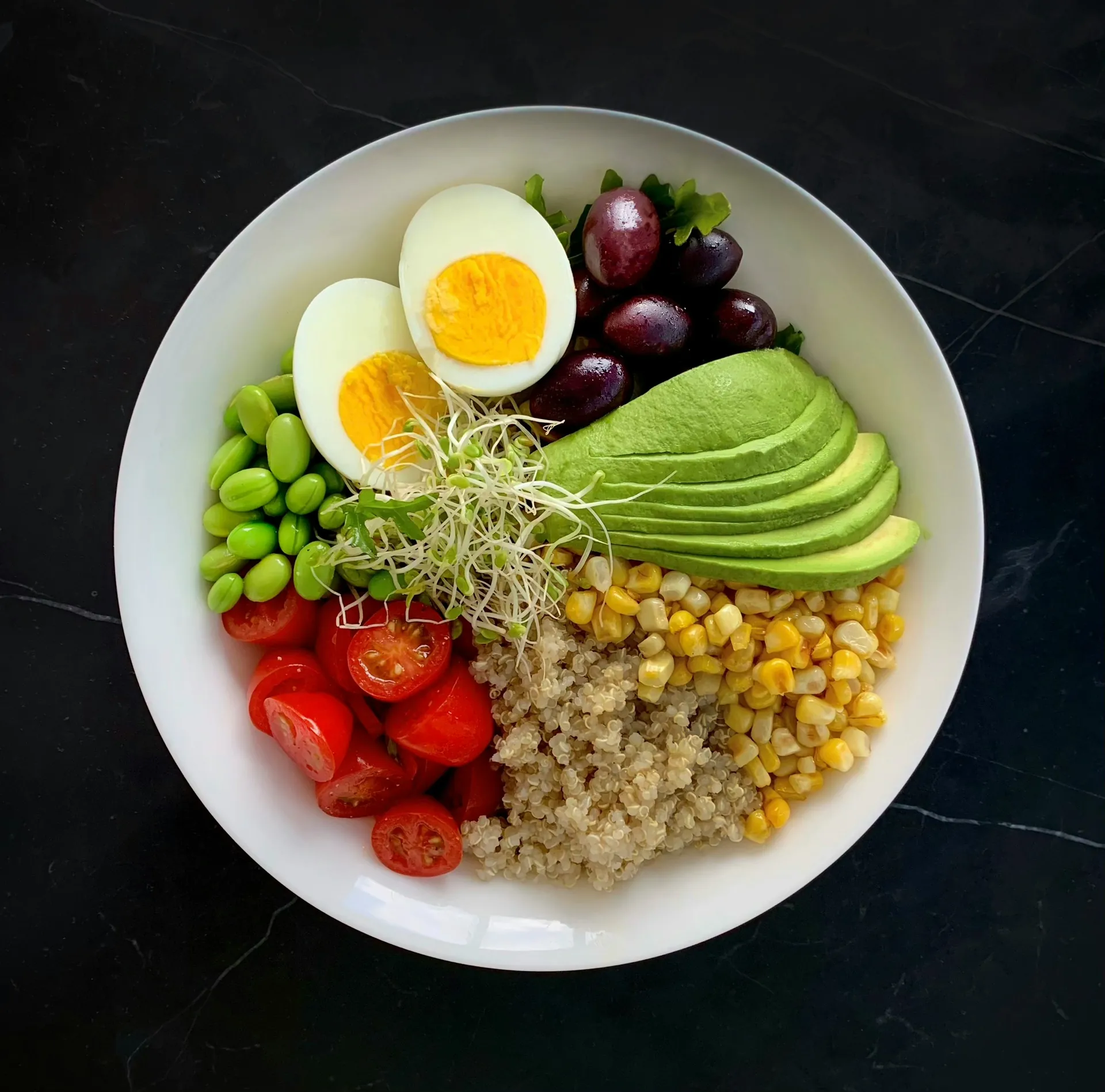
The second breakfast or lunch should prevent the “afternoon slump,” so it is worth choosing a meal with protein, low carbohydrates, and a small amount of fat. You can prepare a salad with smoked chicken, avocado, hard-boiled egg, cucumber, and olives, drizzled with a dressing of lemon, olive oil, and a bit of mustard.
If you prefer a more filling version, instead of the salad, you can have a portion of chicken with roasted vegetables (e.g., broccoli, cauliflower, carrots) with a bit of olive oil.
Dinner
Dinner is a meal that often leads to issues with insulin resistance if it’s too abundant or contains high glycemic index products. It’s better to choose a version with the right amount of protein and low-GI ingredients. A good choice is a serving of baked salmon or other fish rich in healthy fats (e.g., mackerel) with a salad of red and green vegetables and a bit of kefir or natural yogurt.
If you want, you can add a bit of beetroot or a serving of amaranth groats cooked in water or vegan dairy.
Dinner
Dinner should be lighter than lunch to avoid burdening the body before sleep. The ideal choice is a serving of poultry (e.g., turkey or beef) with roasted vegetables (e.g., zucchini, eggplant, red pepper) with a sauce of parsley or lemon balm.
If you feel the need for something more “satisfying,” you can add a small serving of nuts or seeds (e.g., walnuts, pumpkin seeds) – they are rich in healthy fats that help stabilize blood glucose levels.
Snacks – what to eat between meals?
Snacks between meals are worth planning so that they do not exceed 100-150 kcal and do not contain products with added glucose-fructose syrup. Good choices are:
- A bit of nuts (e.g., 10-15 pieces),
- Serving of natural yogurt with chia seeds,
- A small serving of low glycemic index fruits (e.g., blueberry, bilberry, apple with peel),
- Serving of vegetable kefir.
It is advisable to avoid snacks like chips, sweetened chocolates, or sugary drinks, which can lead to sudden spikes in glucose and insulin levels.
Why is diet not everything? The importance of lifestyle

Although a properly chosen diet plays a key role in improving insulin sensitivity, effective management of carbohydrate metabolism requires a broader approach. A wholesome lifestyle, which includes regular physical activity, conscious stress level control, sleep quality, and systematic monitoring of health indicators, forms the foundation for lasting metabolic changes.
The role of physical activity
Physical activity directly affects the sensitivity of cells to insulin, improving glucose uptake by the muscles independently of the insulin concentration in the blood. Regular exercise, especially in the form of aerobic and strength training, causes long-term metabolic adaptations – increasing the mobility of glucose transporters (GLUT4), improving circulation in muscle tissue, and supporting the efficient metabolism of sugars and fats.
Even a single exercise session can increase insulin sensitivity for up to several hours, and regular activity in the long term reduces the risk of developing insulin resistance and type 2 diabetes. Optimal effects are noted with daily accumulation of movement and several intervals of moderate or greater intensity training per week, allowing for a more pronounced impact on metabolism and body composition.
Stress, Recovery, and Sleep – Impact on Insulin Management
Chronic stress and insufficient recovery manifest in the hormonal system by intensifying the secretion of cortisol and adrenaline, which contribute to increased blood glucose levels and reduced insulin sensitivity. Prolonged mental strain leads to a metabolism focused on “survival,” which over time permanently affects the risk of insulin resistance and obesity.
Sleep serves as a natural metabolic reset. Short, restless sleep or disruptions in the circadian rhythm increase insulin resistance, heighten cravings for simple sugars, and promote fat accumulation around the abdominal area. Well-developed sleep hygiene, including a consistent bedtime, limiting light and stimulatory exposure before sleeping, supports hormonal balance and contributes to more stable glucose levels.
Regular Check-ups and Progress Tracking
Regular monitoring of metabolic indicators such as glucose, insulin, HbA1c, triglycerides, and cholesterol plays an invaluable role. Early detection of abnormalities allows for quick lifestyle modifications and prevention of far-reaching health consequences, such as diabetes, heart disease, or kidney disorders.
Personal progress tracking – such as by noting physical activity, sleep quality, stress levels, and relevant biochemical values – allows one to understand which lifestyle changes have the most noticeable effect. Regular consultations with a doctor or dietitian facilitate tailoring strategies to the current needs of the body and support long-term maintenance of improved insulin management.
Summary: Your action plan for healthy outcomes
Healthy living is not a temporary effort but consistent decisions made every day. Remember, the key is balance between nutrition, exercise, sleep, and mental care.
Take a specific step today: plan your meals weekly, choose a form of exercise that brings you joy, maintain regular sleep, and ask yourself: “What will I do for my health today?”
Start with small, sustainable changes. If you need support, consult a doctor or specialist. Take care of yourself now – your health is your most important asset. Don’t start tomorrow, start today. Health awaits your first step.
FAQ
It is advisable to consume non-starchy vegetables, whole grain products, legumes, fruits with a low glycemic index (GI), lean protein, and healthy fats. These products help slow down glucose absorption and limit blood sugar spikes.
Avoid simple sugars, white bread, rice and pasta made from white flour, sweets, sweetened drinks, fast food, and highly processed products. Additionally, refrain from fatty meats, saturated fats, fruits with a high GI, and sweetened dairy products.
It is recommended to eat 3-5 meals a day, usually every 3-4 hours, without snacking in between. The last meal should be consumed 2-3 hours before bedtime. It is worth setting regular meal times, such as breakfast in the morning, lunch at noon, and dinner in the evening.
No, the diet for insulin resistance does not have to be low-calorie. The key is to maintain a calorie deficit only when reducing body weight. Caloric intake should be tailored to the goal, body weight, level of physical activity, and individual requirements.
The diet should be balanced, low glycemic, and often contain between 1600 to 1800 kcal, but its energy value should be adjusted individually.

Conscious man - aware of the value of health and the need to take care of health. I prefer prevention. How do I do it? - conscious supplementation of the daily diet with the best supplements. Independent distributor of Nature's Sunshine products. Both me and my whole family use NSP supplements and cosmetics on a regular basis.