Highly processed food refers to industrial products that have undergone numerous technological processes and often contain ingredients rarely used in home cooking, such as flavor enhancers, aromas, colorings, emulsifiers, or sweetening substances. This includes, among others, sweet and salty snacks, carbonated drinks, instant meals, ready meals, fast food products, and some meat products. Regular consumption of these may adversely affect diet quality, metabolic health, and gut function, so it’s worth learning to recognize them based on composition and degree of processing.
What is highly processed food?
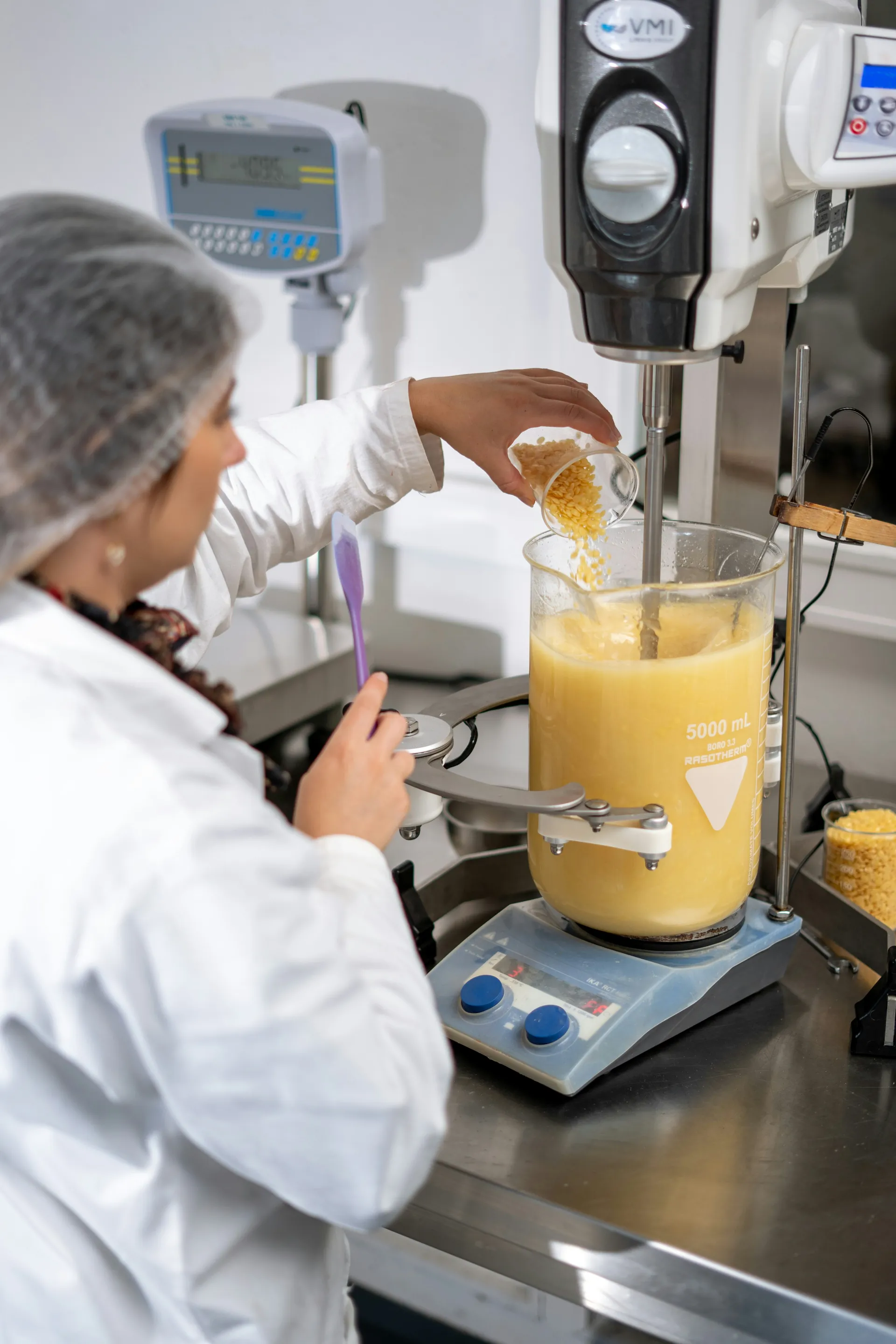
Definition and classification (e.g., according to the NOVA system)
Highly processed food, also known as ultra processed food or ultra processed foods, refers to products primarily designed for convenience, durability, attractive taste, and quick preparation. The production process uses not only basic ingredients but also their fractions, extracts, and technological additives. As a result, products are created that often have little in common with the original form of the raw material.
One of the most commonly used ways to describe the degree of processing is the NOVA system. It divides food into four groups:
- Unprocessed or minimally processed food – for example, fresh vegetables and fruits, eggs, seeds, cereals, fish, meat, or milk. Processing may include washing, drying, freezing, pasteurizing, or chopping but does not fundamentally change the properties of the product.
- Processed culinary ingredients – including oils, butter, salt, sugar, and flour. They are usually not consumed on their own but are used to prepare meals.
- Processed food – products obtained by adding salt, sugar, oil, or other traditional ingredients to unprocessed food. Examples include canned vegetables, cheese, canned fish, or bread with a simple composition.
- Highly processed food – industrial multi-ingredient products containing substances not normally used in home cooking and subjected to multiple processing stages.
The NOVA classification does not assess a single product as “good” or “bad” and does not replace the analysis of the entire diet. However, it helps to understand that not all processed foods are equal.
Frozen vegetables, natural yogurt, or pasteurized milk belong to products that do not require the same caution as sweet breakfast cereals, chips, ready meals, or drinks containing many additives.
Differences between processed and highly processed food
The fundamental difference concerns both the number of processes used and the composition of the product. Processed food can still retain the characteristics of the raw material from which it was made. For example, tomato puree, pickles, tuna in its own sauce, or bread made from flour, water, sourdough, and salt are products that can be part of a balanced diet.
In the case of highly processed food, the recipe is usually more complex. The list of ingredients may include syrups, protein isolates, modified oils, sweeteners, emulsifiers, stabilizers, flavors, and flavor enhancers.
The qualification of the product does not, however, depend solely on the length of the ingredient list. It is also important whether the product is an industrial composition of many substances, is very palatable, is ready to eat or requires only short reheating.
It is worth paying attention to a few practical signals. Highly processed products often have a very intense taste, long shelf life, attractive packaging, and many marketing claims about preparation speed. They can provide a lot of energy, simple sugars, salt, or saturated fatty acids, while at the same time little fiber, vitamins, and minerals.
This applies to, among others, some salty snacks, sweets, ready-made sauces, instant dishes, fast food products, and sweetened drinks.
This does not mean that every industrial product must be completely excluded. The significance lies mainly in the frequency and amount. Occasional consumption of a small portion of highly processed food does not preclude a properly balanced diet.
The problem arises when such products replace unprocessed or minimally processed foods and become the basis of the daily menu.
Therefore, during shopping, it’s worth reading labels, comparing ingredients, and considering whether the product resembles food that can be prepared at home. The more often vegetables, fruits, legumes, whole-grain cereals, fish, eggs, nuts, and natural fermented dairy products appear in the diet, the easier it is to limit the share of highly processed foods without imposing strict prohibitions.
How to recognize highly processed food?
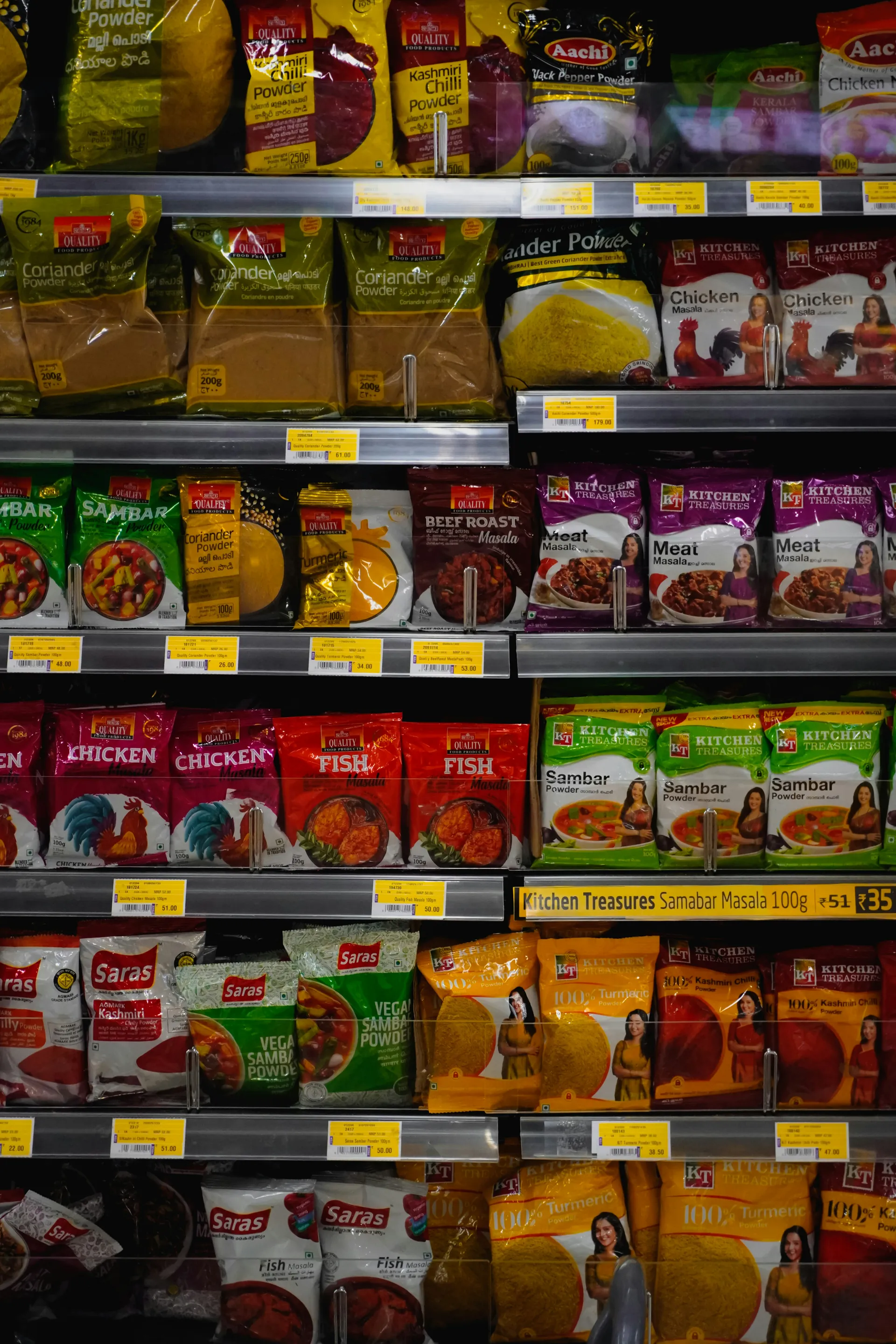
Typical features of highly processed products
Highly processed food often has little in common with the original form of the used raw materials. Such products are usually ready to eat or require only a short heating. They are distinguished by intense flavor, strong aroma, uniform texture, and a long shelf life.
A warning sign can also be an exceptionally attractive price compared to a simpler counterpart, a large number of flavor variants, and colorful packaging highlighting slogans such as “superfood,” “fit,” “without added sugar,” or “natural.” However, a single feature does not determine the classification of a product — what matters most is the overall composition and the degree of technological intervention.
List of “signaling” ingredients (sugars, fats, stabilizers, flavors, etc.)
When reading the label, it is worth paying attention to the presence of added sugars, syrups, sweetening concentrates, and substances such as glucose, fructose, maltodextrin, or dextrose. Their occurrence under different names can make the total amount of sweetening ingredients harder to notice.
Ingredients indicating a high degree of processing also include some hardened or modified fats, emulsifiers, stabilizers, thickeners, acidity regulators, flavor enhancers, colors, and aromas. This doesn’t automatically mean that every such substance is harmful, but a long list of additives, especially combined with a low content of basic raw materials, should prompt the choice of a simpler alternative.
The order of ingredients is important. Those listed at the beginning are present in the product in the largest quantities. If in the first part of the list there are sugar, refined starches, syrups, or fats, and nutrients only appear at the end, the product probably shouldn’t be the basis of a daily diet.
The Most Common Examples from Daily Diet
Commonly encountered highly processed products include sweet breakfast cereals, bars, biscuits, stuffed wafers, ready-made dairy desserts, sugary drinks, and energy drinks. This group may also include instant lunch dishes, powdered soups, ready-made sauces, breaded meat products, and some products labeled as “fit” or “protein.”
Examples also often include flavored chips, crackers, highly processed meat substitutes, ready-made pizzas, frozen dishes, and bread with a very long shelf life. Not every product in this category has the same composition, so it’s worth assessing the specific label rather than just following the category name.
Practical Tips: Reading Labels and Avoiding Marketing Traps
It’s best to start with a simple composition and choose products whose ingredient list is understandable and based on basic raw materials. It’s worth comparing similar items, checking not only the amount of sugar but also the content of salt, saturated fats, fiber, and protein per 100 grams or 100 milliliters.
Don’t equate the labels “sugar-free,” “light,” “natural,” or “whole grain” with automatically healthy choices. A product may be sugar-free but provide a large amount of sweetening substances; the label “natural” does not inform about the degree of processing, and it’s worth verifying the “whole grain” claim by checking if whole grain flour is indeed high on the ingredients list.
It’s also helpful to pay attention to the portion sizes indicated on the packaging. The manufacturer might provide nutritional values for a small portion, even though the entire package is usually consumed.
A good habit is to put the product back if it has a long and complicated ingredient list, and then look for a simpler alternative or prepare a similar dish from basic ingredients.
How does highly processed food affect the intestines?

Impact on gut microbiota
Highly processed food can alter the composition and activity of gut microbiota, especially when it regularly replaces foods naturally high in fiber. A diet based on sweets, salty snacks, ready-made meals, and sugary drinks provides little substance that beneficial bacteria use to produce short-chain fatty acids.
At the same time, emulsifiers, intense sweeteners, excess salt, and some technological additives present in such products can negatively affect the gut environment.
The result could be a reduction in the diversity of microorganisms and a predominance of bacteria associated with inflammatory processes. The deficiency of fiber, which limits the food for fiber-fermenting bacteria, is also significant. It’s worth remembering, however, that the body’s reaction depends on the overall diet, frequency of processed food consumption, health status, and individual microbiota composition.
Consequences for Digestive System Health
An improperly balanced diet can weaken the functioning of the gut barrier, which is responsible for controlling the passage of substances from the intestinal lumen into the body. When its function is disrupted, fragments of bacteria and other molecules stimulating the immune system can more easily penetrate tissues.
This does not mean that every processed product automatically damages the intestines, but frequent consumption of food with an unfavorable composition may encourage such changes.
In practice, this can be associated with an increase in bloating, feelings of gurgling, constipation, or diarrhea, especially in sensitive individuals. A high amount of fats, simple sugars, and salt, as well as low fiber content, can affect the speed of intestinal transit and digestive comfort.
Symptoms that occur regularly or persist for a long time require medical consultation, as they should not be attributed solely to diet without proper diagnosis.
Long-term Risk – Chronic Inflammation, SIBO, IBS, Metabolic Diseases
A long-term diet model based on highly processed products can increase the likelihood of chronic, low-grade inflammation. This is related, among other things, to an excess of energy, added sugars, salt, and unfavorable fats, as well as a deficiency of fiber and protective components found in vegetables, fruits, legumes, and whole grains.
This way of eating can also promote excessive body weight, insulin resistance, and other metabolic disorders.
In the case of irritable bowel syndrome (IBS), certain processed foods may worsen symptoms, but their tolerance is individual. Similarly, SIBO, or small intestinal bacterial overgrowth, has many possible causes and high-processed food cannot be considered the sole source of the problem. However, it can indirectly worsen the situation by disrupting the microbiota composition, intestinal transit, and glycemic control.
Limiting such products, gradually increasing fiber, and choosing less processed foods may support the intestines, but suspicion of IBS, SIBO, or metabolic disease requires a specialist’s individual assessment.
Can the harmful impact of highly processed food on the intestines be minimized?
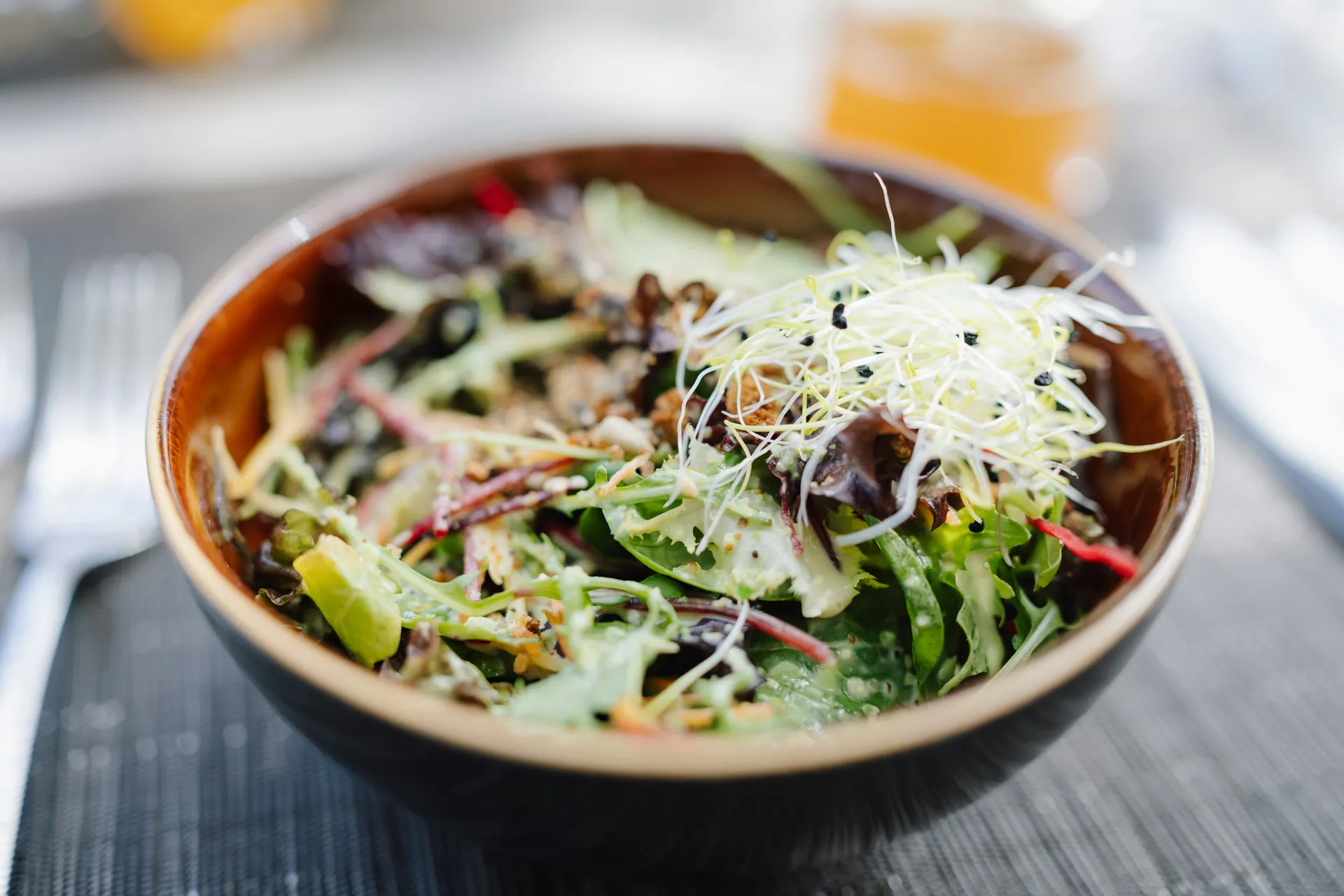
Completely eliminating highly processed products is not always necessary or easy. More important is the frequency of their consumption, portion size, and whether they form the basis of the diet.
Gradually replacing them with more natural products can support microbiota diversity and proper functioning of the digestive tract.
Principles of Healthy Food Choices
When shopping, it is worth choosing products with a short and understandable list of ingredients. The fewer technological additives, sugars, salts, and unfavorable fats, the better.
A good point of reference is food that is possibly minimally processed: vegetables, fruits, legumes, whole grain products, fish, eggs, naturally fermented dairy products, and unsalted nuts.
However, a product should not be judged solely by its name or a single ingredient. It’s worth checking the nutrition facts table, the content of fiber, sugars, and salt, as well as portion size. Planning meals in advance is useful as it reduces the likelihood of unintentionally reaching for ready-made snacks.
The role of fiber, probiotics, and natural ingredients in protecting the intestines
Fiber serves as food for some gut bacteria and supports regular bowel movements. Its sources include vegetables, fruits, oatmeal, groats, whole grain bread, seeds, and legumes.
Increasing its amount should be done gradually and with adequate hydration to minimize the risk of bloating and discomfort.
The menu can also include fermented products, such as natural yogurt with live bacterial cultures, kefir, buttermilk, sauerkraut, or pickles. They provide microorganisms that can beneficially affect the gut environment, although their action depends on the overall diet and individual tolerance.
Diversity of natural ingredients is equally important as it promotes greater diversity of the microbiota.
Limiting highly processed food in practice – examples of substitutes
Instead of sweetened breakfast cereals, you can choose oatmeal with fruits, nuts, and natural yogurt. It’s worth replacing sweet drinks with water, unsweetened tea, or water with lemon and mint.
Ready salty snacks can be replaced with unsalted nuts, seeds, fresh vegetables with hummus, or roasted chickpeas.
Instead of instant meals, a simple meal made from grains, frozen or fresh vegetables, and a source of protein can work well. Processed meats and deli products can be consumed less frequently, replaced by eggs, fish, legume pastes, or homemade roasted meat. Such changes don’t have to be sudden—even partial limitation of ready products and regular cooking can improve the quality of your daily meals.
Conscious choices for gut health
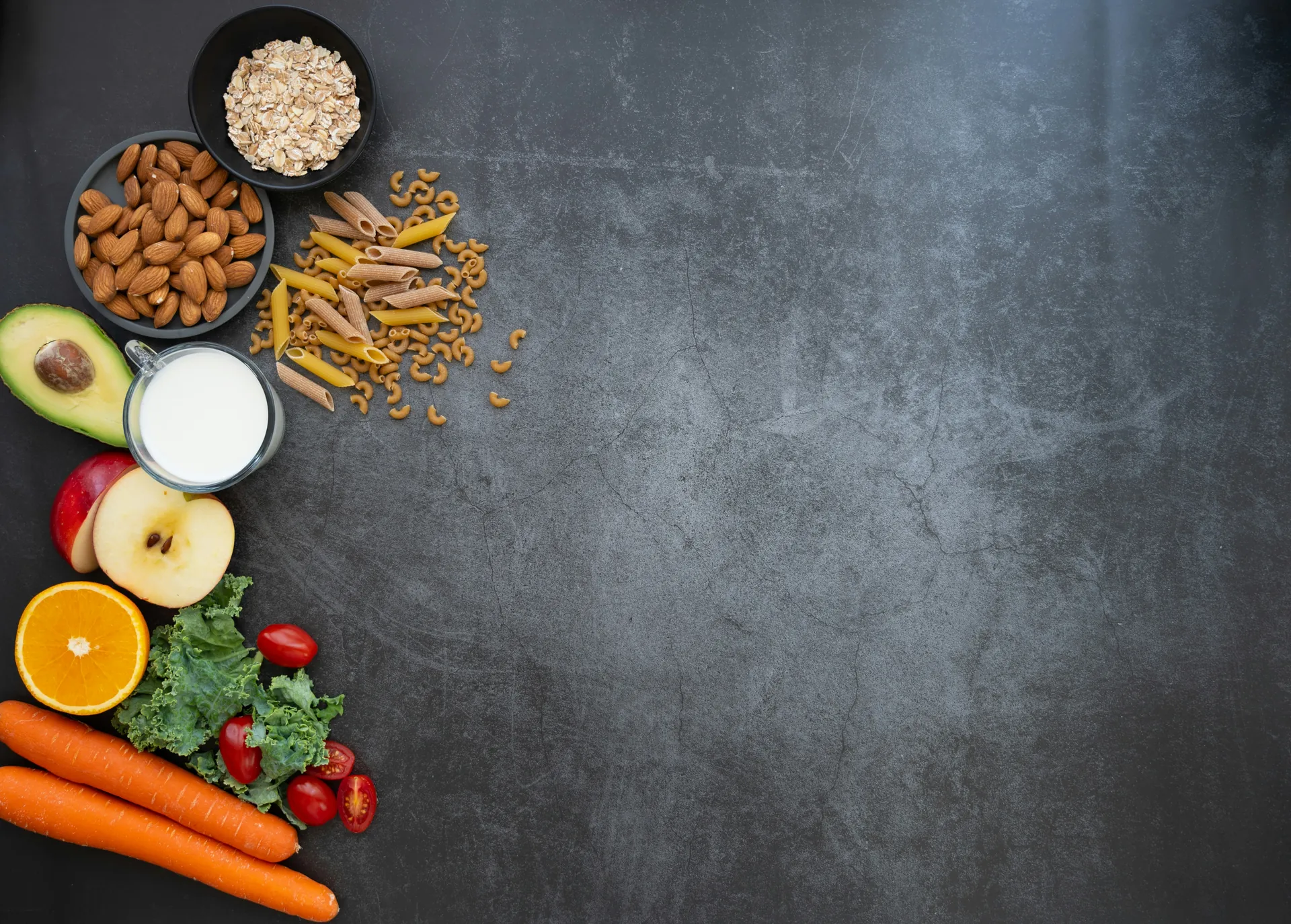
Healthy guts have a crucial impact on immunity, digestion, and daily well-being, so it’s worth taking care of them every day. The foundation is a diverse diet, rich in fiber, vegetables, fruits, fermented products, and an appropriate amount of water.
To support gut health, limit the consumption of highly processed food, excess sugar, and alcohol. Also, remember the importance of regular exercise, sufficient sleep, and stress reduction.
Observe your body’s reactions, but avoid diagnosing issues by yourself. Implement lifestyle changes gradually and consistently.
Start taking action today: plan a nutritious meal, drink a glass of water, and go for a walk. However, if symptoms persist, be sure to consult a specialist.
FAQ
On the label of highly processed food, you will often find a high number of ingredients, chemical additives such as emulsifiers, preservatives, colorants, flavors, or flavor enhancers. Additionally, there may be glucose-fructose syrups, hardened oils, and significant amounts of sugar, salt, and fats present. If the ingredient list resembles more of an industrial formula than a homemade recipe, you are likely dealing with a highly processed product.
The most commonly found products classified as highly processed foods include: sweetened drinks, chips, cookies, sweets, breakfast cereals, industrial bread, instant soups, ready meals, sausages, hot dogs, nuggets, fries, ice cream, and bars. These are typical products full of additives, sugar, salt, and fats.
Consuming highly processed food can lead to a reduction in gut microbiota diversity, decrease the production of beneficial short-chain fatty acids, and promote dysbiosis. Additionally, such products may weaken the intestinal barrier, increase inflammation, and worsen digestion and absorption of nutrients.
To reduce highly processed food without losing convenience, choose less processed alternatives. Plan simple meals in advance, keep healthy snacks on hand, and read labels, focusing on shorter ingredient lists and lower sugar, salt, and fat content. Convenience can be maintained with frozen foods, ready-to-eat vegetables, legumes, and meal portioning for several days.

Conscious man - aware of the value of health and the need to take care of health. I prefer prevention. How do I do it? - conscious supplementation of the daily diet with the best supplements. Independent distributor of Nature's Sunshine products. Both me and my whole family use NSP supplements and cosmetics on a regular basis.