- Modern Biohacking – what is it and why is it gaining popularity?
- Main pillars of biohacking in body optimization
- Superfoods, supplements, and adaptogens – support for optimization
- Future Therapies – Innovations Used by Biohackers
- Monitoring effects – how to measure progress in biohacking?
- Biohacking in Practice – Tips to Start
- FAQ
Modern Biohacking – what is it and why is it gaining popularity?
Biohacking is conscious, scientifically supported, and often technologically enhanced changes in lifestyle, diet, supplementation, and environment. Its goal is the physical and mental optimization of the body by “programming” biological responses such as metabolism, circadian rhythm, and energy levels.
In recent years, this trend is gaining popularity due to the increasing need for control over health and performance. In the face of stress, processed food, and artificial light, biohacking combines longevity medicine with everyday practices – from sleep quality to physical activity.
The philosophy of biohacking is based on the assumption that by understanding the functioning of the body, we can adapt it to our goals, such as improving health, extending lifespan, or increasing concentration. Tools like blue light-blocking glasses and sleep monitoring support these processes.
Biohacking involves conscious actions combining science, technology, and daily habits that improve physical performance, immunity, and quality of life.
Main pillars of biohacking in body optimization
Hacking diet – functional and personalized nutrition
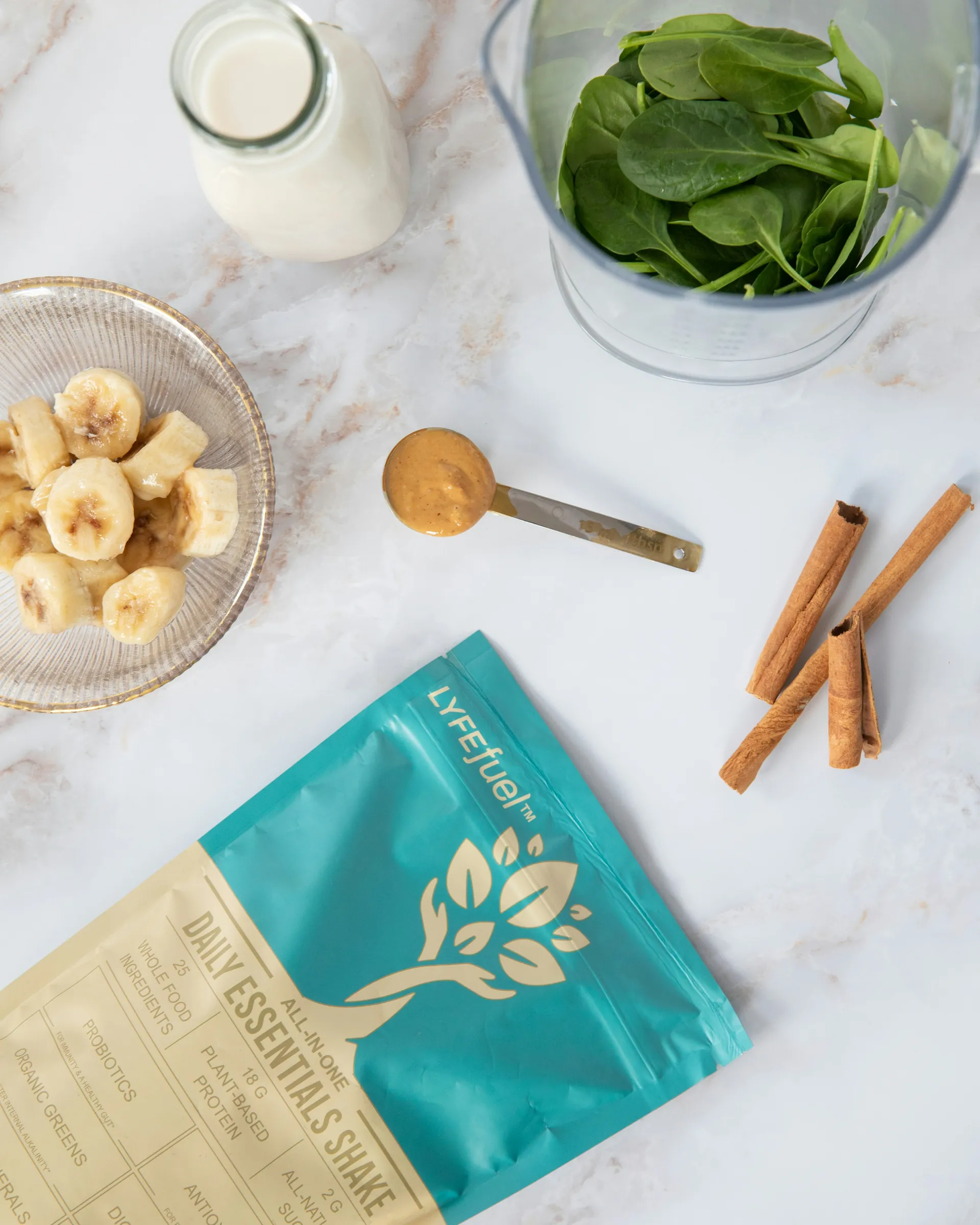
The diet of biohacking focuses on consciously selecting foods that not only provide energy but also support the digestive system, metabolism, and immune system. In practice, this means following a functional diet where key ingredients are chosen for their anti-inflammatory effects, supporting the gut microbiome and hormonal balance.
Personalized approaches are gaining popularity, based on genetic analyses, food tests, or gut microbiome assessments. These allow for tailoring the type and timing of meal consumption to individual body needs.
Additionally, biohacking diet often employs techniques such as cyclic fasting, feeding intervals, or elimination of foods that might trigger autoimmune reactions. The goal is to create a diet “program” perfectly tailored to our needs.
Movement and regeneration – workouts, posture, daily activity
Movement is one of the key elements of biohacking because it supports the development of mitochondria – “biological powerhouses.” It is not limited to classic gym workouts. Daily activity, functional movement, improved posture, and conscious extension of recovery time play equally important roles here.
Workouts in biohacking are often short but intense, interspersed with periods of low intensity. This strategy supports metabolism, improves insulin sensitivity, and positively affects the cardiovascular system.
An important element is also managing mechanical stress. This includes taking care of work ergonomics (e.g., at a standing desk), regular mobility exercises, and techniques supporting the health of soft tissues and fascia. All these elements are an indispensable part of body optimization.
Sleep and Relaxation – Innovative Techniques for Improving Quality of Rest
Sleep is one of the most important pillars of biohacking and is considered the “gold standard” for recovery. Improving its quality often involves advanced techniques such as breath control, guided meditation, relaxation techniques, or even using cold water bags and light therapy.
Modern biohackers monitor sleep parameters – analyzing sleep phases, the number of awakenings, and the duration of deep sleep. Based on this data, they adjust the bedroom environment, such as lighting, temperature, or noise level, to support the body’s natural rhythms.
Some also turn to supplements, such as melatonin or adaptogens, but do so thoughtfully, based on individual needs, to avoid disrupting the natural balance of the body.
Technologies and Gadgets in the Service of the Body: Wearables, Trackers, and Biomarker Measurements
In the digital age, technologies are becoming an integral tool for biohacking. Wearable devices such as smartwatches, fitness tracking bands, or ECG sensors allow monitoring of key parameters such as heart rate, heart rhythm variability, sleep quality, physical activity levels, and even carbon monoxide levels in the breath.
Thanks to this data, users can make informed decisions regarding their lifestyle, including adjusting their diet or planning optimal workouts.
Home kits for measuring biomarkers such as cholesterol, glucose, hormones, or microbiome status are also becoming increasingly important. They can provide a detailed picture of the body’s functioning, often more precise than standard laboratory tests.
The integration of this data with applications and advanced algorithms allows for the creation of support systems that foster a personalized approach to health.
Superfoods, supplements, and adaptogens – support for optimization
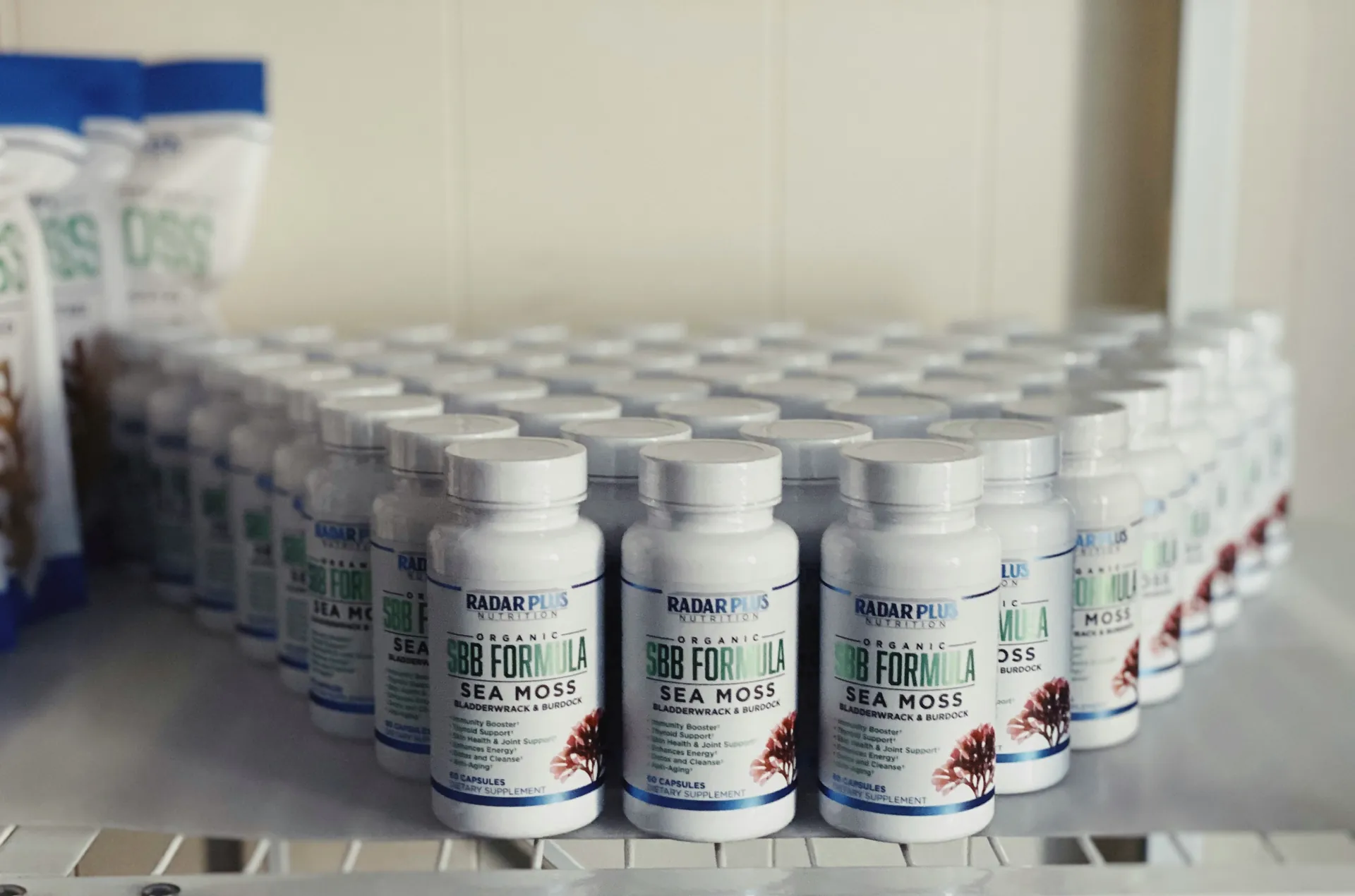
Nowadays, many people are looking to “superfoods”, supplements, and adaptogens as a quick way to improve performance, focus, and overall body resilience. Indeed, some of these products – such as berries, leafy greens, chia seeds, or marine fish rich in omega-3 fatty acids – contain ingredients that support metabolism, oxidative stress reduction, and tissue regeneration. However, no single product can replace a balanced diet, proper training, and sleep.
Key components supporting performance and health
Directly related to optimizing performance are components considered particularly beneficial: antioxidants from berries and dark green vegetables, omega-3 acids from fatty fish, nitrates from beets, and anti-inflammatory compounds like curcumin. Each of them works differently – some support the circulatory system and aerobic capacity, while others speed up muscle recovery and reduce post-training soreness. It is important, however, to treat them as part of a comprehensive nutritional plan, not a “magic powder” that will independently lead to increased efficiency.
Adaptogens, which are plants like ashwagandha, rhodiola, or lemongrass, belong to the category of natural substances that support the body’s adaptation to stress. Studies suggest that they may improve mental resilience, reduce the feeling of fatigue, and support hormonal balance. For people subjected to intense physical or mental strain, they can be a valuable addition if applied according to recommendations and after consultation with a doctor or nutrition specialist.
Safe supplementation – how to select and use?
The selection of supplements is a matter not only of effectiveness but above all of safety. First and foremost, it is worth checking whether a given component is covered by seriously verified clinical studies, and not just advertising.
It is worth paying attention to products with certificates from independent laboratories, which confirm purification from contaminants and compliance with the composition listed on the label.
Equally important is the awareness of interactions between supplements and medications, as well as the appropriateness of doses. Some ingredients, especially in long-term supplementation, can burden the liver, affect blood pressure levels, or influence the hormonal system.
Therefore, it is advisable to tailor supplementation to individual needs – considering the performed activities, health condition, and potential medications – rather than being guided solely by trends or opinions in the media. In long-term optimization, a healthy, varied diet remains the foundation, with supplements and adaptogens serving as precise tools rather than a ‘key’ to instant transformation.
Future Therapies – Innovations Used by Biohackers

In the world of biohacking, more attention is being paid to the environment, to which we are sensitive: heat, cold, and light, rather than drugs. These ‘future therapies’ focus on controlled stressogenesis – consciously exposing the body to short but intense stimuli that trigger health-promoting adaptations.
Biohackers not only observe how their bodies react but also use modern protocols, which are gaining increasing popularity in mainstream health practices as well.
Sauna, Cryotherapy, and Body Hardening
The sauna, particularly in Scandinavian tradition, has become an element of daily “hacking” of homeostasis. Regular exposure to high temperatures stimulates the release of heat shock proteins, improves circulation, reduces vascular tension, and increases vessel elasticity. In biohacking, the sauna is often used as a form of hormesis – controlled stress that teaches the body better resistance to thermal changes and psychological stress.
Another step in this direction is cryotherapy, which involves immediate exposure of the body to extremely low temperatures, for example, in whole-body cryotherapy, where the temperature drops below −100°C. Cryotherapy supports muscle recovery, reduces inflammation, and alleviates pain. Additionally, the release of norepinephrine, dopamine, and endorphins reduces pain, improves mood, and increases energy levels.
A popular practice among biohackers is contrast therapy, which involves alternating exposure to heat and cold. It usually begins with a sauna session (10–20 minutes), followed by brief contact with cold (30 seconds – 3 minutes). This cycle of “opening” and “closing” blood vessels improves vascular flexibility, lymphatic circulation, stress resistance, and accelerates recovery after intense workouts.
Conditioning the body is another popular method – daily cold showers, short sessions in icy water, or spending time in frosty outdoor air in winter are practices that strengthen both mental endurance and physical endurance. Although there are medical contraindications, such as in the case of cardiovascular diseases, for many people these practices become a routine.
Unconventional methods: fasting, blue light, and microcurrents
One of the more controversial yet widely used methods in biohacking is intermittent nutrition, known as fasting. It involves periods without eating – for example, 16:8, 18:6 schemes, or longer cycles – to “reset” metabolism, activate autophagy, and improve insulin sensitivity. Well-planned fasting supports cellular regeneration, reduces inflammation, and helps maintain stable body weight.
Growing interest among biohackers also surrounds the impact of light on the nervous and hormonal systems. Red, infrared, and blue light are of particular importance, present in both natural sunlight and artificial sources. Exposure to light with a higher proportion of blue waves in the morning regulates the biological clock, improves cortisol secretion, and alleviates sleepiness. In biohacking, special lamps with adjustable color palettes are used to support circadian rhythm synchronization, even in the absence of natural light.
It is also worth mentioning microcurrents. Methods such as tDCS (transcranial direct current stimulation) influence neuron activity in specific brain areas. In biohacking, microcurrents are used to improve concentration, shorten reaction time, reduce susceptibility to stress, and support the treatment of mood disorders. However, their use requires great caution, consultation with a doctor, and adherence to safety protocols, as improper use can lead to negative side effects.
Combining methods such as sauna, cryotherapy, cold exposure, fasting, light, and microcurrents shows how biohackers transform traditional techniques of natural body stimulation into precise, measurable protocols. A responsible approach to these practices, based on research and tailored to individual needs, can revolutionize the way we care for the body in the digital age.
Monitoring effects – how to measure progress in biohacking?
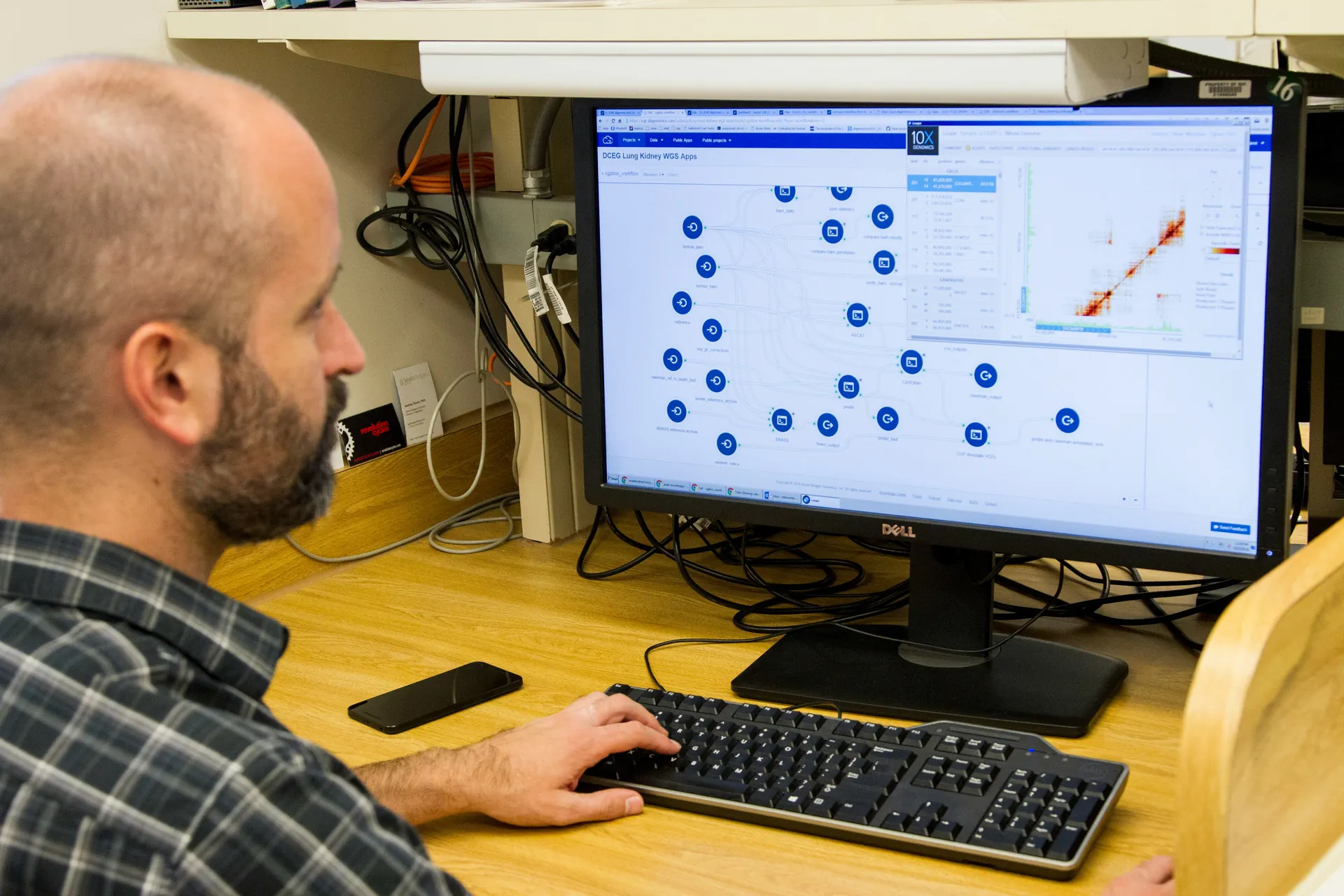
Effective biohacking relies not only on the interventions themselves but primarily on systematically tracking their impact on your body. Instead of relying on the subjective feeling of “I feel better“, intelligent monitoring allows you to translate experiences into concrete data and trends. Thanks to this, you can easily determine which changes actually bring results and which merely give the impression of progress.
Analysis of blood tests and biodata
Blood tests are one of the most important tools for assessing the effectiveness of biohacking strategies. By analyzing metabolic markers, inflammation levels, hormonal balance, or key nutrients, you can gain a more complete picture of your health, complementing subjective feelings.
Regular testing, performed for example before starting, during, and after the completion of interventions, allows distinguishing short-term fluctuations from lasting changes. Remember, a single test is just a “snapshot”, while a series of tests creates a “film” showing whether indicators like cholesterol, glucose, or inflammation are changing in the desired direction.
Modern online tools make it easier to analyze and compare results, allowing for better assessment of the impact of specific actions, such as diet, training, or use of adaptogens. It is also important to standardize research conditions – such as time of day, hydration level, or physical activity – to avoid misinterpretation of results.
The ideal solution is to combine research results with your individual health profile and symptom analysis, creating a more comprehensive picture of your health status.
Applications and Systems for Tracking Progress
Modern applications and platforms become a virtual management center for biohacking, integrating data from various sources, such as wearable devices, blood tests, training logs, or diet records. Specialized tools dedicated to biohackers allow, among other things, conducting “N=1” experiments, meaning testing individual changes and their impact on aspects like HRV, sleep, energy levels, or mood.
Thanks to these tools, you can visualize changes occurring before and after applying a specific protocol, avoiding reliance solely on memory. This approach allows you to better understand what works and what doesn’t.
It’s worth choosing tools that not only collect data but also analyze it. This way, they can remind you of subsequent tests, suggest appropriate interventions, and help tailor actions to your individual goals. Combined with devices like smartwatches, HRV sensors, or glucometers, they create an integrated system that connects biomarkers, well-being, and daily habits.
This approach makes monitoring not just a diagnostic tool, but also motivational. Seeing positive changes, such as increased energy or stabilized sleep, provides evidence that your actions are meaningful and lead to an improved quality of life.
Biohacking in Practice – Tips to Start

Entering the world of biohacking, it is worth starting with simple, specific changes that you can measure and control. It’s not about immediately overhauling your entire life, but about consciously introducing one new habit at a time. Seeing real effects is the best motivation to continue the journey of modifying your lifestyle.
How to Implement Innovations Step by Step?
Start by defining one specific goal – for example, improving sleep quality, increasing afternoon energy, or stabilizing mood. Then choose one simple strategy to achieve it, such as setting consistent sleep and wake times, eliminating screens 1–2 hours before bedtime, or taking regular 10-minute walking breaks during the day. The key is to observe the effects for at least 2–4 weeks, recording your energy level, mood, and sleep quality in a notebook or app.
The next step is scaling: if one change worked, you can gradually add more, like the 4-7-8 breathing technique, morning natural light, or a 16-hour eating window during the day. It’s important not to change everything at once – otherwise, you won’t know what actually works and what might be neutral or even harmful for you.
Common mistakes and how to avoid them
One of the most common mistakes of beginner biohackers is chasing the “latest hack” instead of focusing on the basics: sleep, nutrition, movement, and stress management. Expensive supplements, devices, or exotic protocols rarely yield results if you sleep less than 7 hours, stay up late, and eat ready meals. Changing habits five times a day doesn’t help either – the body needs stability, not chaos.
Another common mistake is not measuring results. If you don’t record changes or check how you feel after introducing a new habit, it’s easy to fall into the illusion that something works, even if the effect is neutral.
It’s worth using simple tools: an energy journal, sleep tracking apps, and where needed – periodic blood tests. It’s also beneficial to initially discuss more advanced strategies with specialists – a nutritionist, trainer, doctor – to avoid not only disappointment but also harmful consequences.
Biohacking in body optimization is a promising future that combines science with personal practice. Above all, conscious challenges to the body, healthy habits, and regular monitoring of health parameters are key. Biohacking is not a trend, but an approach to life that requires responsibility and the selection of methods tailored to individual needs. It is also important to always consult actions with a doctor. Be inspired by what biohacking can offer, and start with small changes in your life – every small step can bring big results.
FAQ
Start with sleep: maintain consistent sleep hours, sleep in a dark room, and limit screen use at least an hour before bed. Introduce more movement: a daily walk for 20–30 minutes, short exercises, and several workouts weekly. Remember to hydrate, eat less processed food, get exposure to daylight in the morning, and try cold showers.
Yes, biohacking can be effective if based on simple habits: consistent sleep, morning light, regular movement, proper hydration, and limiting screens in the evening. It often leads to improvements in energy, concentration, and sleep quality. It’s best to test one change for 2–4 weeks to see the effects.
Start with the basics: sleep, movement, healthy eating, and stress management. Introduce only one change at a time, ideally 2–3 new practices per week, and monitor the effects. Avoid invasive methods without prior consultation with a doctor, especially in cases of chronic diseases, pregnancy, or using supplements.
Monitor your progress based on parameters such as sleep, energy, mood, concentration, resting heart rate, and possibly blood glucose levels. Make changes one at a time and compare data over 2–6 weeks. Keep a journal and do blood tests if possible. If your parameters and well-being improve, it indicates that biohacking is working.

Conscious man - aware of the value of health and the need to take care of health. I prefer prevention. How do I do it? - conscious supplementation of the daily diet with the best supplements. Independent distributor of Nature's Sunshine products. Both me and my whole family use NSP supplements and cosmetics on a regular basis.