- Introduction
- What is the gut microbiome?
- Nature’s Sunshine Proposals (guts / microbiome)
- The impact of the gut microbiome on immunity
- Gut microbiome and mood and mental health
- Gut microbiome and energy levels
- How to care for and improve the gut microbiome?
- Most common causes of gut microbiome disturbances
- How to recognize that your microbiome is in poor condition?
- Gut Microbiome
- FAQ
Introduction
The gut microbiome is a complex ecosystem made up of trillions of bacteria, viruses, fungi, and other microorganisms that inhabit the digestive tract, particularly the large intestine. Its properly balanced composition has a crucial impact on the health of the entire body, including the immune system, mood, and energy levels.
What is the gut microbiome?
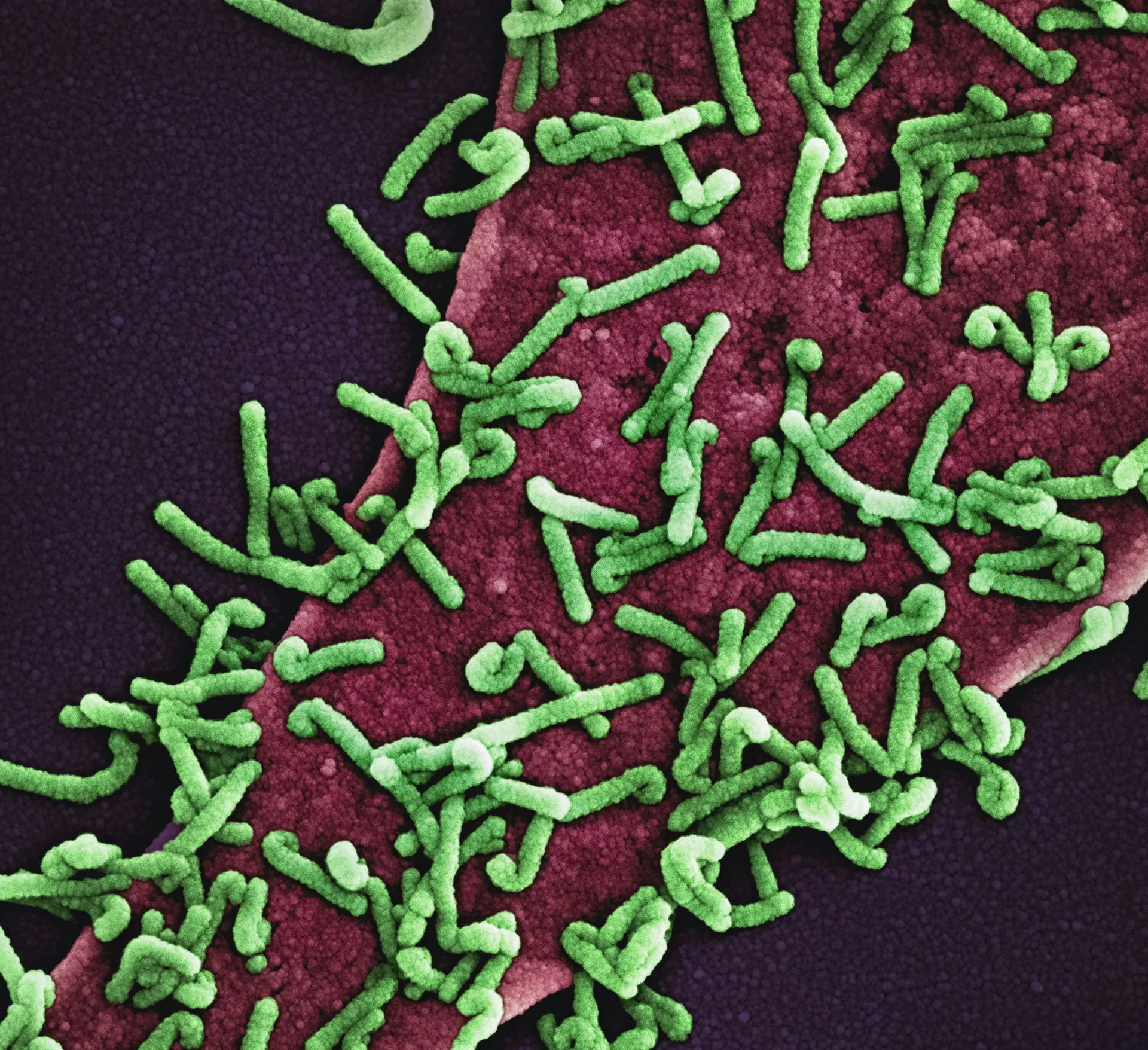
Definition and brief overview of the microbiome composition
The gut microbiome is a complex ecosystem of microorganisms that inhabit the human digestive tract. It consists mainly of bacteria but also includes fungi, viruses, and protists. These ‘asymptomatic residents’ make up hundreds or even thousands of different species, which together are responsible for key functions in the body – from digesting food, through nutrient metabolism, to supporting the immune system.
Gut bacteria mainly belong to two dominant phyla: Firmicutes and Bacteroidetes, although the microbiome also includes Proteobacteria, Actinobacteria, and Verrucomicrobia. Different species perform different roles – for example, some help break down hard-to-digest carbohydrates, while others produce short-chain fatty acids that are important for the health of the intestinal mucosa.
The balance between individual groups of microorganisms is crucial for the proper functioning of the entire digestive system.
Nature’s Sunshine Proposals (guts / microbiome)
1) Probiotics (e.g. Bifidophilus)
Bifidophilus Bacteria – NSP offers a product that is designed to enrich the intestinal bacterial flora, with the bacteria Lactobacillus acidophilus and Bifidobacterium longum and fructooligosaccharides.
2) Healthy Gut Set
The set includes, among others:
- Bacillus Coagulans and Pro B11 (11 probiotic strains) – support for intestinal bacterial flora
- Loclo – fiber (for digestive system comfort)
- additionally, including aloe vera juice and ingredients supporting digestion/regularity
3) ProB Children’s
ProB Children’s – the product description indicates support for a healthy digestive system and help in maintaining bacterial balance. The adult dose is twice as high.
Before you choose a product, create a free account (30% cheaper)
To conveniently choose products and enjoy the benefits, I recommend creating an account:
👉 Create a free account at NSP and buy 30% cheaper
Why is the gut microbiome unique for each of us?
The gut microbiome is as characteristic for each person as a fingerprint or DNA pattern. From the moment of birth, the initial contact with microorganisms – depending on whether the child is born naturally or via cesarean section – determines the first “seeding” of the microbiome. In the following months and years, factors such as diet, lifestyle, antibiotics, stress, environment, and genetics influence the composition of the gut flora.
As a result, each organism develops a specific “microbiological fingerprint,” which can affect predispositions to obesity, diabetes, gastrointestinal diseases, or even mood disorders. Studies comparing the microbiomes of individuals with the same genes but different dietary habits show clear differences in bacterial composition, confirming that the microbiome results from many factors, not just heredity.
That’s why researchers consider the gut microbiome as a separate, dynamically changing “organ” in the human body.
The impact of the gut microbiome on immunity
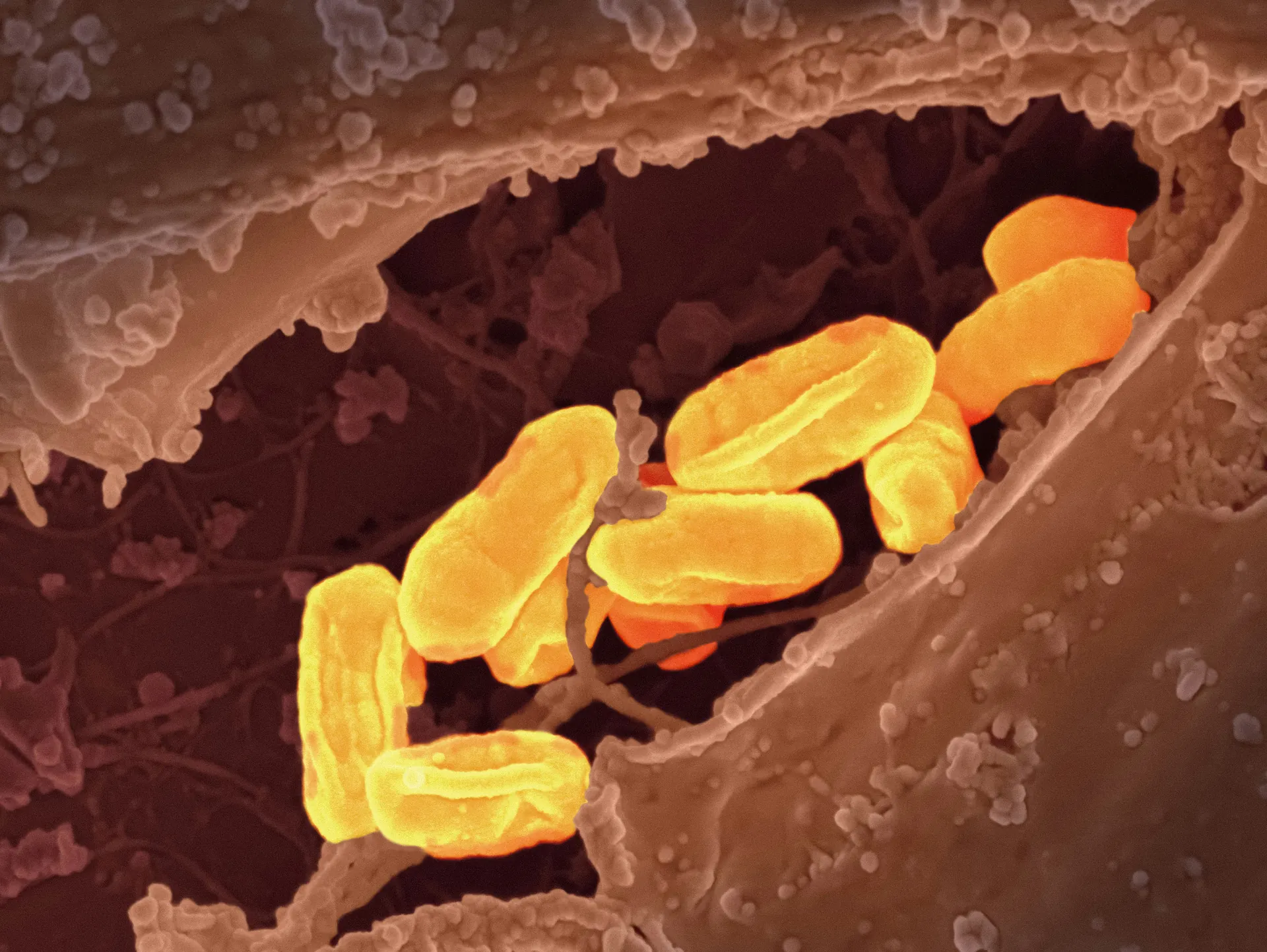
The gut microbiome is one of the most important modulators of the immune system. A significant portion — up to 70% — of immune cells are located around the gastrointestinal tract. The set of harmless bacteria, viruses, and fungi inhabiting the intestines is crucial not only for physical and chemical barriers but also for “training” the immune system. Thanks to this, it distinguishes helpful microbes from harmful pathogens. The proper diversity and proportions of microbiota species affect inflammation levels, antibody efficiency, and responses to vaccinations or infections.
Key mechanisms supporting the immune system
One of the key mechanisms is the production of so-called short-chain fatty acids (SCFA) by beneficial bacteria, such as butyric acid, acetic acid, and propionic acid. These compounds support the intestinal barrier, reduce intestinal “leakiness,” and inhibit excessive immune system activity. In particular, they stimulate the differentiation of regulatory T cells (Treg), which control autoimmune response and prevent excessive inflammation. SCFAs also influence the production of cytokines, which are proteins responsible for cell communication in the immune system.
Another important mechanism involves the “training” of immune system cells. Early contact of the immune system with diverse microorganisms in the intestines promotes proper differentiation of Th17 and Treg cells, affecting the balance between pro-inflammatory and anti-inflammatory responses. Additionally, the microbiota supports the development of local immune structures, such as gut-associated lymphoid tissues (GALT), which increase the speed of pathogen response and the effectiveness of antibody responses.
Some bacteria also release natural bactericidal agents (bacteriocins), which limit the growth of other pathogenic bacteria, simultaneously reducing the need for an intensive immune response.
Microbiome disorders and susceptibility to infections and autoimmune diseases
Microbiome imbalance, known as dysbiosis, is increasingly linked to a heightened susceptibility to infections and the development of autoimmune diseases. Dysbiosis is associated with the weakening of the intestinal barrier (so-called “leaky gut”), allowing proteins and toxins of the microbiota to enter the bloodstream, creating chronic inflammation.
Such chronic, low-grade inflammation leads to excessive activation of the immune system and may promote the formation of auto-reactive cells that begin attacking their own tissues.
Studies indicate that in many autoimmune diseases, such as lupus, rheumatoid arthritis, or autoimmune-related intestinal diseases, there is a noted decrease in microbiome diversity and changes in the proportions of specific bacterial species. Dysbiosis may lead to an improper ratio of Th17 to Treg cells, promoting excessive inflammation and autoimmune attacks. Additionally, the microbiota may generate proteins or modifications to the body’s own proteins, which are recognized by the immune system as “foreign,” leading to the production of auto-antibodies and the intensification of the disease.
Gut microbiome and mood and mental health
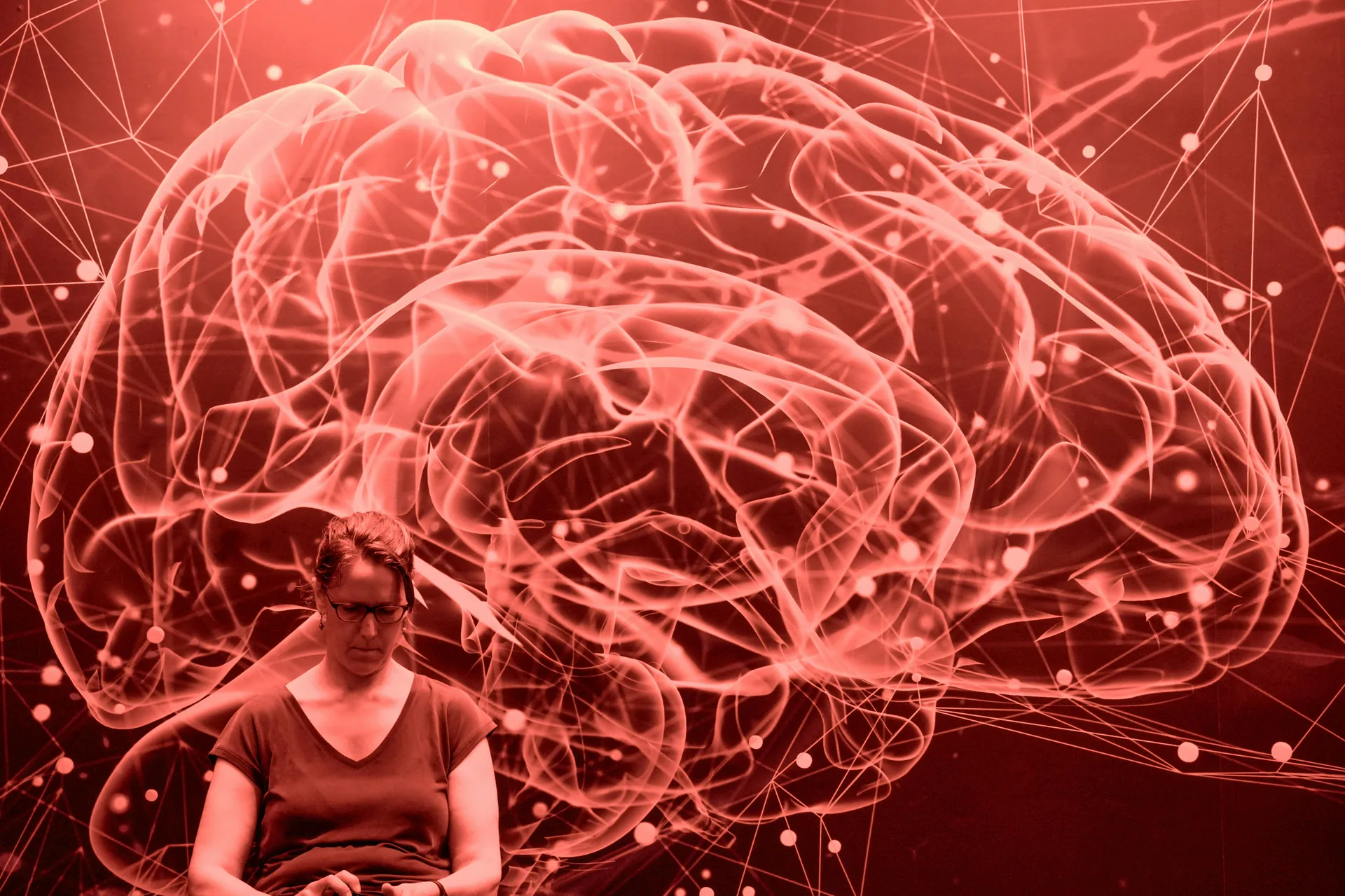
More and more research indicates that the community of microorganisms inhabiting our intestines has a significant impact not only on digestion or the immune system, but also on mental well-being. The interconnections between the gut microbiome and brain function form the basis for a modern approach to depression, anxiety, or other mood disorders, showing them as a result of not only a “problem in the head” but also “in the gut.”
Brain-gut axis and communication between the gut and brain
At the center of this interaction is the brain-gut axis (the so-called gut-brain axis), a two-way communication network connecting the central nervous system with the digestive system. The intestines are equipped with an extensive network of neurons, often called the “second brain“, which sends signals to the brain mainly via the vagus nerve. The gut microbiome influences this communication by modifying nerve signals, hormone secretion, and immune system action, which affects the level of stress, emotions, and overall well-being.
The effect of the microbiome on the production of neurotransmitters (e.g., serotonin)
Although we mainly associate neurotransmitters with the brain, most of some of them are produced in the digestive tract. It is estimated that about 90-95% of serotonin, a key neurotransmitter regulating mood, sleep, appetite, and digestion, is created in the cells of the intestinal mucosa.
The gut microbiota supports this process by affecting the availability of the serotonin precursor – tryptophan, and the function of intestinal cells. Current research also suggests that different strains of bacteria can produce or modify other neurotransmitters, such as dopamine or GABA, which directly influences energy levels, motivation, and emotional stability.
Microbiome disorders and depression and anxiety
A disrupted microbial balance of the gut – known as dysbiosis – is associated with an increased risk of depression and anxiety disorders. Altered microbiome composition can lead to an exacerbation of inflammation, disturbances in the HPA axis (which controls stress response), and disruption in the production of neurotransmitters.
Patients with depression and anxiety more frequently exhibit lower levels of beneficial bacteria and higher concentrations of microorganisms associated with inflammatory responses. These changes affect not only gut-brain communication but also may amplify psychological symptoms, creating a vicious loop: stress and mood disorders worsen the microbiome, which in turn hinders achieving stable well-being.
Gut microbiome and energy levels
The role of the microbiome in metabolism and energy absorption from food
The processing of food in the body does not end with the work of pancreatic and intestinal enzymes. A key role in the final stages of energy acquisition is played by the gut microbiome, which metabolizes food components inaccessible to host enzymes.
In particular, gut bacteria ferment fiber and undigested carbohydrate fragments, producing so-called short-chain fatty acids (SCFAs), such as butyric acid, acetic acid, and propionic acid.
SCFAs provide a significant additional source of energy, supplying the body with even several percent of the daily caloric balance. Butyric acid is especially important as it serves as the main fuel for intestinal epithelial cells, supporting their regeneration and antibacterial barrier. Fatty acids entering the bloodstream also influence appetite regulation by acting on GLP-1 and PYY receptors, affecting the feeling of satiety and extending the time between meals.
Research on the ratio of Firmicutes and Bacteroidetes bacterial groups shows that the characteristics of the microbiome can modify the effectiveness of extracting energy from food. An increase in the relative number of Firmicutes is associated with greater fermentation and energy utilization efficiency, which may promote fat storage with unchanged caloric intake.
In this way, the gut microbiome not only aids in energy absorption but also shapes metabolism and the balance between its intake and expenditure.
The link between microbiome composition, fatigue, and chronic lack of energy
There is increasing evidence that an unbalanced gut microbiome can be an important underlying factor in chronic fatigue and the feeling of ‘tiredness’ despite sufficient sleep. Individuals with chronic fatigue syndrome (ME/CFS) and symptoms similar to long COVID often exhibit poor microbiome diversity and a reduced level of butyrate-producing bacteria, such as Faecalibacterium prausnitzii and Eubacterium rectale.
The lack or significant reduction of butyrate levels not only weakens the intestinal self-cleaning layer but also leads to chronic inflammation and disruption of energy metabolism. Studies show that low concentrations of butyrate and another SCFA, propionate, are associated with lower mitochondrial activity, the cells’ ‘power plants’, resulting in fewer ATP – the basic energy unit. As a result, patients experience rapid fatigue after moderate activity, weakness, and ‘brain fog’.
Chronic inflammation, supported by an abnormal microbiome, can also affect the central nervous system through the gut-brain axis, modifying neurotransmitter levels such as serotonin and dopamine, which influence motivation, mood, and the feeling of energy. In this context, the observation that supplementation or therapy with probiotics and microbiome-enhancing diet may improve subjective vigor suggests that gut microbiome rebuilding is becoming a real intervention direction for chronic lack of energy and fatigue, beyond the conventional approach based solely on drugs or nutrition.
How to care for and improve the gut microbiome?
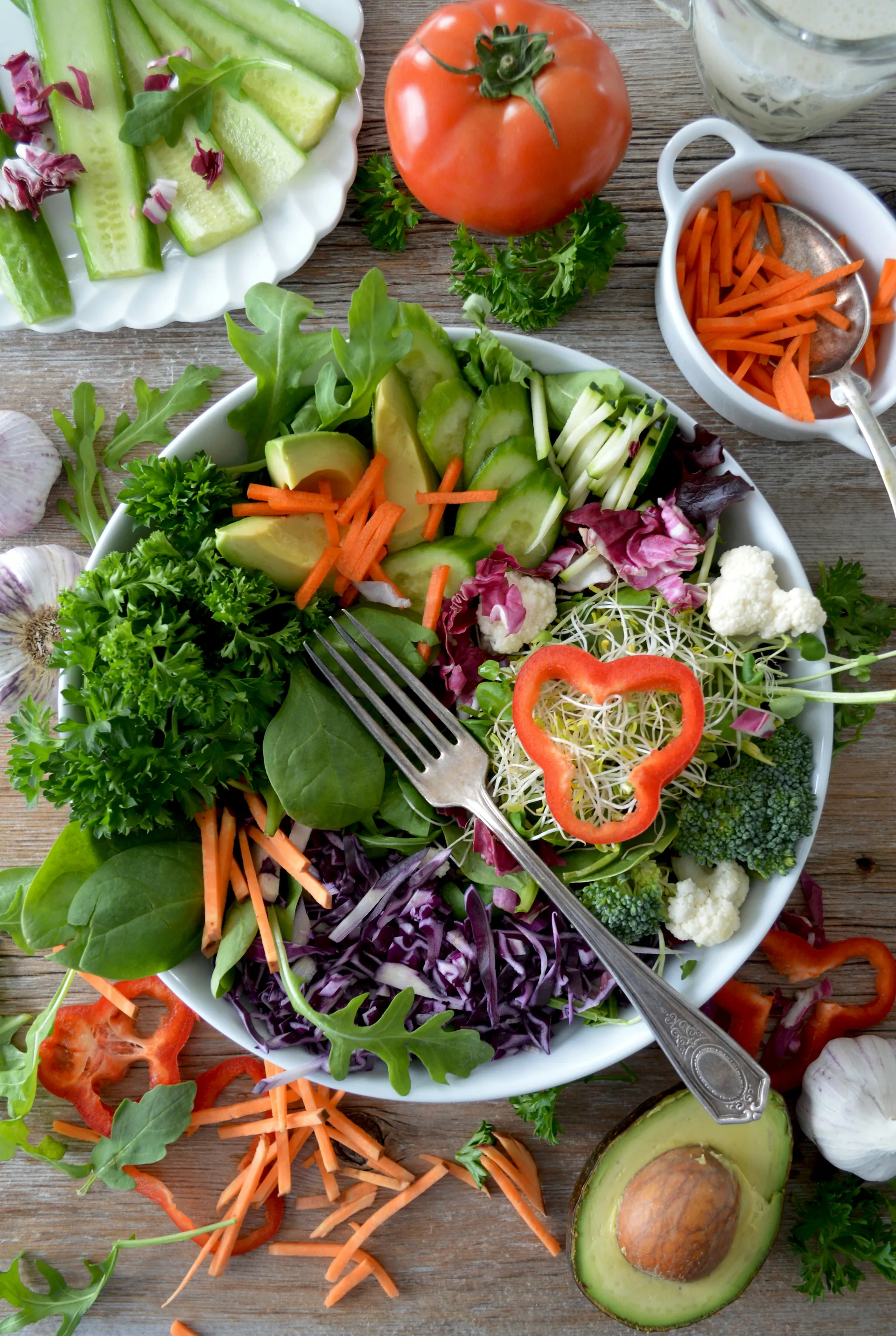
Proper functioning of the gut microbiome is the result of daily, consistent choices related to diet and lifestyle. It is crucial to treat the gut as a system that needs to be “nourished” and “respected”—both through what enters it and through habits that affect its balance.
Principles of a microbiome-supporting diet
One of the fundamental elements is consuming a large amount of plant-based whole-grain products. Products like fruits, vegetables, legumes, nuts, and seeds provide ingredients that support the growth of many types of beneficial bacteria. Unlike a plant-poor diet, characterized by frequent consumption of processed foods, such a diet increases the species richness of the microbiome.
It is worth striving to limit the number of plant types consumed as little as possible. The more diverse the diet, the greater the diversity of the microbiome. Following the principles of a “plant-based diet” does not necessarily mean full vegetarianism or veganism—it mainly means that plants should make up a significant majority of meals and be varied throughout the day and week.
The importance of fiber, fermented products, and dietary diversity
Dietary fiber serves as fuel for many gut bacteria. Non-fermented fibers such as pectins, inulin, and galactooligosaccharides are broken down in the large intestine into short-chain fatty acids, which support the development of a healthy intestinal barrier and have an anti-inflammatory effect.
Fermented food products, such as natural yogurt, kefir, sauerkraut, kimchi, vegetable pickles, or kombucha, provide a double effect: they supply live microorganisms, as well as bioactive substances formed during fermentation (peptides, organic acids, polyphenols). Studies indicate that regular consumption of fermented foods can increase the overall species richness of the microbiome and reduce some markers of inflammation.
Food diversity involves consuming different colors of vegetables, various types of fruits, legumes, and nuts every day. Such “coloring of the plate” promotes the development of diverse bacterial ecosystems and reduces the risk of the dominance of one species, which in turn is associated with greater stability and resilience of the microbiome.
Prebiotics, probiotics, and postbiotics – what are they and how do they work?
Prebiotics are food ingredients that are not digested by humans but serve as “food” for certain beneficial types of bacteria. These include various types of fiber and compounds such as fructo- and galacto-oligosaccharides (e.g., inulin, FOS, GOS). When consumed regularly, they support the growth of bacteria from the Bifidobacterium and Lactobacillus genera, which is associated with better integrity of the intestinal barrier and a beneficial change in the metabolome.
Probiotics are live microorganisms that, in appropriate quantities, provide health benefits. We encounter them in fermented products like yogurt, kefir, sauerkraut, certain types of cheese, as well as supplements. By introducing additional strains, they can support “beneficial” bacteria, especially after antibiotic treatments or during diarrhea episodes.
Postbiotics, although a term increasingly used, mainly describe end products of fermentation – particularly short-chain fatty acids (e.g., butyrate, propionate, acetate), as well as other metabolites and peptides that have anti-inflammatory properties and support the development of a healthy gut barrier. They are the result of microbiome activity and not a substance that can be directly “added” to the diet.
Lifestyle: stress, physical activity, sleep, and microbiome
Stress, especially chronic, can significantly disrupt the balance of the microbiome through changes in gut motility, mucus secretion, circulation, and the functioning of the immune system. Research models show that stress can lead to the dominance of microbes with potentially pro-inflammatory characteristics and reduce the abundance of beneficial species.
Regular and moderate physical activity, both cardio and strength training, is associated with increased bacterial species richness and a higher number of strains related to beneficial metabolism. It’s not about maximum exhaustion, but consistent movement habits that also positively affect mood regulation and the immune system.
Sleep, and especially its quality and regularity, indirectly influences the microbiome through the regulation of hormones, stress, and appetite. Sleep disturbances are linked to reduced microbiome diversity and an increased risk of metabolic disorders. Proper, regular, sufficiently long sleep helps maintain the balance between the brain and the gut, which promotes a stable, healthy microbiome.
Most common causes of gut microbiome disturbances
Antibiotic therapy and its side effects
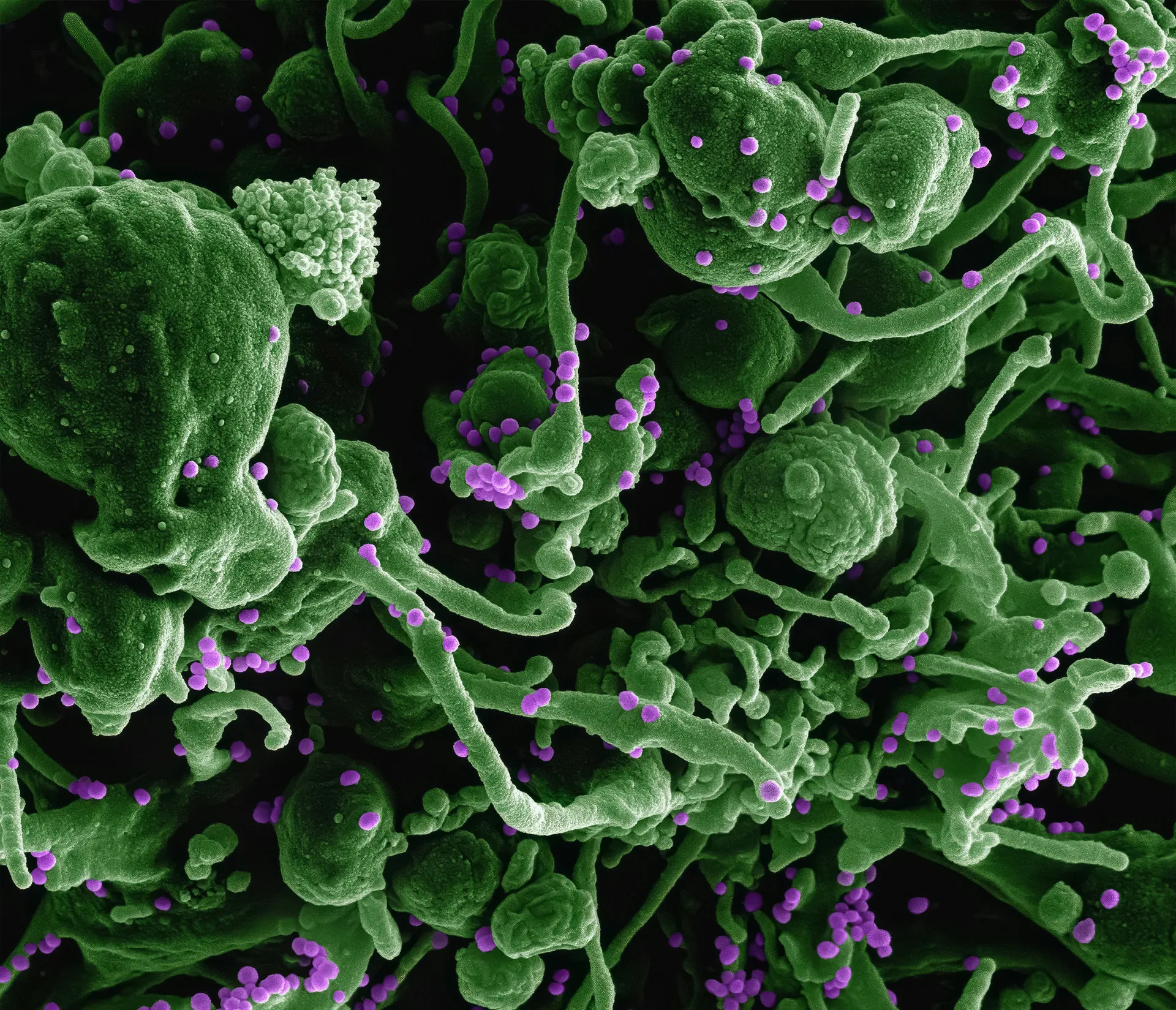
Antibiotics are among the strongest factors disrupting the natural composition and diversity of the gut microbiome. Despite their critical role in fighting serious infections, they do not differentiate between harmful and beneficial bacteria, leading to a simultaneous reduction in many positive species.
As a result, dysbiosis occurs – a condition where the balance among microorganisms is disturbed, and the gut may develop a dominance of potentially pathogenic or antibiotic-resistant bacteria.
Research shows that even a single, short-term course of antibiotics can cause changes in the microbiota that persist for weeks, sometimes months. In some individuals, particularly those with a pre-existing history of intestinal disease or chronic stress, repeated or long-term use of antibiotics can lead to permanent impairment of microflora diversity, which is associated with a higher risk of developing metabolic diseases, immune system disorders, or chronic inflammatory conditions.
A diet low in fiber, rich in sugars and saturated fats
The key “daily” factor modifying the gut microbiome is diet. A diet low in plant fiber, but rich in processed products, simple sugars, and saturated fats, undermines the natural bacterial environment.
Fiber and other prebiotic components, mainly found in vegetables, fruits, whole grains, and legumes, form the basic nourishment for beneficial bacteria, such as Bifidobacteria and lactic acid-producing bacteria. Their deficiency leads to the “starvation” of these species.
At the same time, high consumption of sugars and saturated fats promotes the dominance of bacteria associated with chronic inflammation and metabolic disorders. Research shows that even after a few days of a typical Western diet (e.g. fast food, sweetened drinks, sweets, processed carbohydrates) there is an increase in microbiome diversity, an increase in the number of Proteobacteria, and a decrease in the proportion of Bacteroidetes. These changes are associated with a higher risk of obesity, type 2 diabetes, and gut problems.
Stress and its impact on the microbiome
Stress, especially chronic stress, is one of the most important “killers” of microbial balance. The mechanism of this influence is twofold: emotional and physical stress modify the functioning of the nervous system and the secretion of hormones such as cortisol or catecholamines, which directly affect the microorganisms inhabiting the intestines. These changes can reduce the number of beneficial bacteria, increase inflammation in the intestinal wall, and increase its permeability, which is referred to as “leaky gut”.
In addition to directly affecting the microbiota, stress also changes lifestyle and eating habits – leading to irregular eating, frequent snacking on sweets and fatty snacks, lack of physical activity, and often sleep deprivation. These factors collectively deepen and perpetuate dysbiosis, creating a circle of dependence, in which an inefficient microbiome affects the nervous system, worsening stress tolerance and mood. Therefore, taking care of a healthy microbiome is also part of the fight against stress, and relaxation, sleep, and physical activity support microbiological balance.
How to recognize that your microbiome is in poor condition?
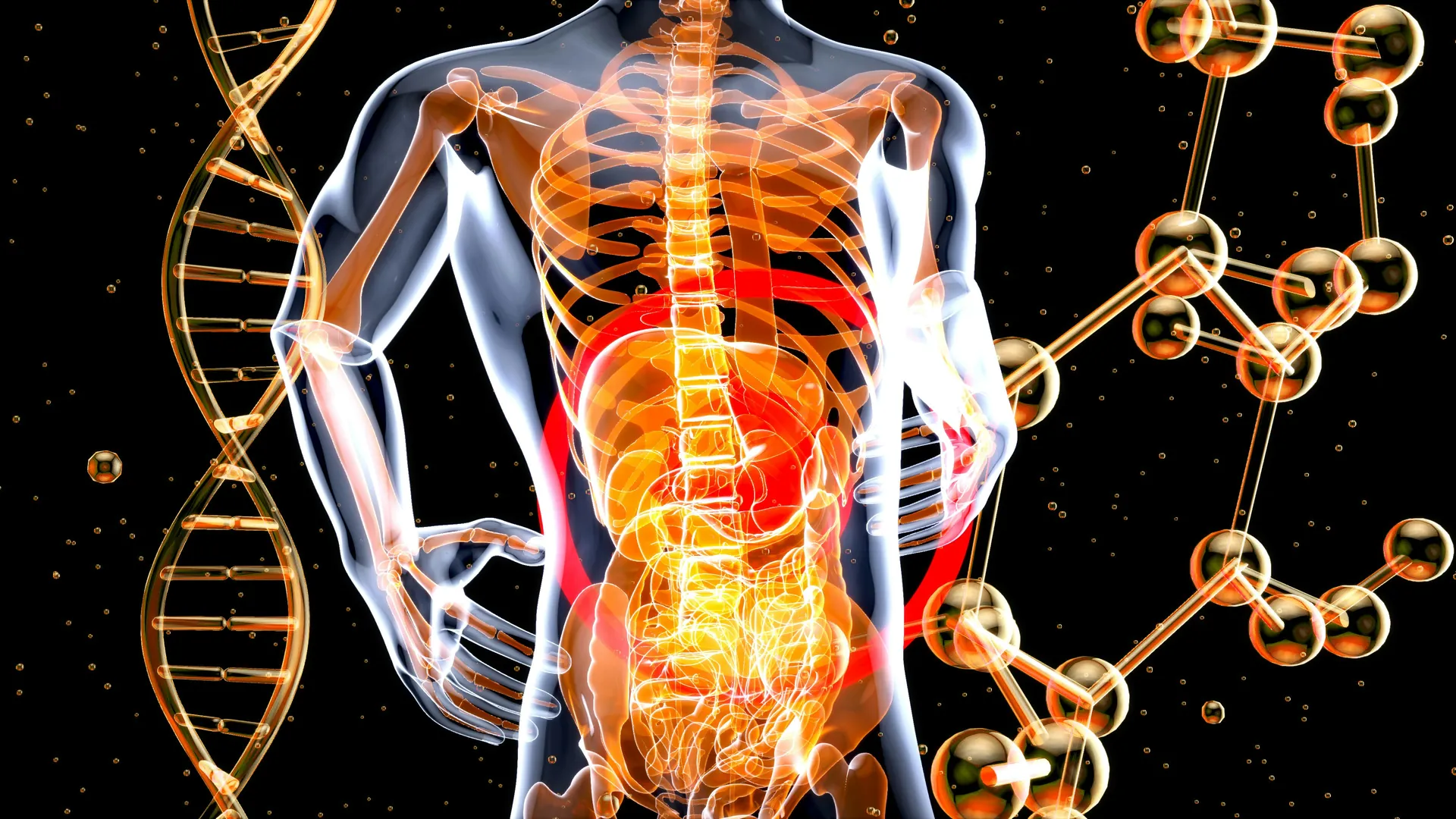
An incorrect composition or function of the gut microbiome (known as gut dysbiosis) does not always manifest solely as digestive problems. It can affect many aspects of well-being – from immunity, through skin, to mood and concentration.
Symptoms of gut dysbiosis: digestive, immunological, psychological
The most common digestive symptoms include: alternating or chronic constipation and diarrhea, bloating, feeling of fullness in the abdomen, pain or discomfort in the abdominal area, as well as frequent belching and heartburn. Stomach pains after meals, changes in stool consistency, and accompanying fatigue may also occur.
Dysbiosis also affects the immune system. A person with abnormal gut flora may more frequently suffer from upper respiratory and genitourinary tract infections, recover more slowly from illness, and experience recurrent infections. Some studies link microbiota disturbances with an increased risk of autoimmune and allergic diseases, such as thyroid diseases, celiac disease, multiple sclerosis, or rheumatoid arthritis.
Significant is also the impact of the microbiome on the nervous system and mental state. Many studies show a connection between the state of gut flora and depression, anxiety, mood disorders, fatigue, and difficulties with concentration and sleep. It can manifest as increased stress, irritability, decreased motivation, or a feeling of chronic ‘fatigue from within,’ especially when accompanied by digestive symptoms.
Diagnostic possibilities – gut microbiota testing
Currently, tests are available that allow the assessment of the gut microbiome composition and sometimes its functionality. Genetic testing (e.g., DNA sequencing) is most commonly used in stool samples, showing which bacteria are present in the intestines, in what ratio, and whether there is an excess of potentially pathogenic microbes or a deficit of symbiotic ones.
In practice, diagnostics involve analyzing the diversity of microbiota, the presence of bacterial metabolic pathways, and indicators of gut barrier permeability and inflammation. Such tests (e.g., comprehensive panel of gut microbiome) are usually performed in diagnostic laboratories and are available as paid tests.
Indications for conducting tests may include chronic digestive problems without a clear cause, recurring infections, autoimmune diseases, mood disorders with an unclear basis, difficulty maintaining body weight, or recurring skin issues.
It is important that the interpretation of results is handled by a doctor or a specialist experienced in intestinal and microbiome disorders, because a mere “deviation” in results does not always indicate a disease – it requires supplementation with an interview, clinical examination, and possibly imaging or laboratory tests directed toward other diseases.
Gut Microbiome
The most important thing is to remember that each of us has a real impact on shaping our world. Paying attention to daily choices – from shopping to ways of communication and relationships with others – can bring significant changes.
The key is awareness, responsibility, and courage to act, even if the first steps seem small. Now you decide whether you will become a passive observer, or feel like a co-creator of a better reality.
Start today – choose one simple but consistent change that will bring results and drive motivation. Don’t postpone, because tomorrow is today. Take that first step and share your resolution with others.
FAQ
The gut microbiome plays a key role in strengthening immunity as it protects the body against pathogens and regulates inflammation. Additionally, it influences mood through the gut-brain axis, including the production of serotonin and GABA. It also affects energy levels by improving digestion, nutrient absorption, and metabolism, which supports the maintenance of vitality.
The most supportive foods for the microbiome are fermented products, such as natural yogurt, kefir, pickles, and kimchi. Sources of fiber are also important, e.g., vegetables, fruits, legumes, and whole grains, as well as prebiotics, which can be found in onions, garlic, leeks, chicory, and bananas. Nuts, seeds, and olive oil also have a supportive effect.
The most harmful factors to the microbiome are antibiotic therapy, a diet high in sugar, ultra-processed foods, alcohol, and artificial sweeteners. Other negative influences include stress, lack of sleep, and smoking. To avoid these, consume more fiber from vegetables, fruits, and whole grains, limit fast food, drink less alcohol, exercise regularly, and ensure sufficient sleep.
To rebuild and maintain microbiome balance, consume a diverse range of foods, including high amounts of fiber from vegetables, fruits, whole grains, and legumes. Include fermented products in your diet, limit processed food, sugar, and alcohol intake, and try to avoid stress. Pay attention to sleep, regular physical activity, and proper hydration. Sometimes it is also worth considering probiotics and prebiotics that can support gut health.

Conscious man - aware of the value of health and the need to take care of health. I prefer prevention. How do I do it? - conscious supplementation of the daily diet with the best supplements. Independent distributor of Nature's Sunshine products. Both me and my whole family use NSP supplements and cosmetics on a regular basis.