What Are Toxins and Why Should They Be Removed?
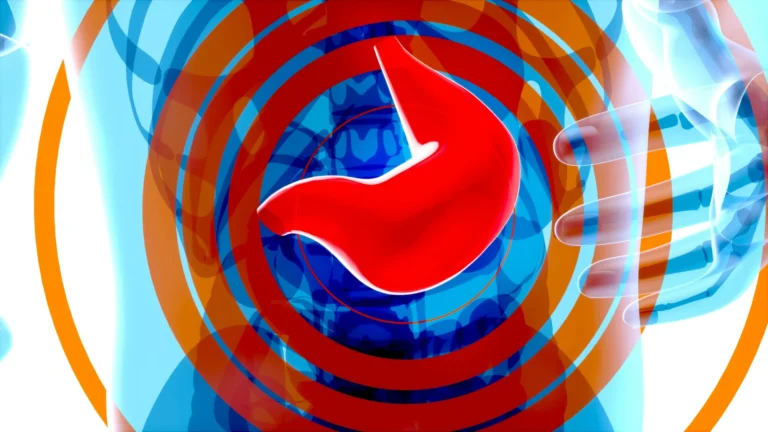
To effectively cleanse the body of toxins, it’s worth starting with an understanding of what they are and how they affect our health. Toxins are harmful substances that can enter the body through air, food, cosmetics, or medications, and can also be produced by our own metabolic processes. When too many accumulate in the body, it can lead to functional disorders in various systems, including the liver, kidneys, or digestive system.
It is therefore worth supporting natural detoxification processes to aid the work of the liver and kidneys and support the digestive system, which is responsible for removing toxins from the body.
Symptoms of Toxin Accumulation in the Body
Overburdening the body with toxins does not always manifest in sudden, clear symptoms. Often the signals are subtle, appearing in various areas of functioning and may be ignored. They can be wrongly attributed to stress, seasonal changes, or a cold, even though the cause is long-term accumulation of harmful substances.
One of the most common symptoms is chronic fatigue. Even after getting sufficient sleep, feelings of drowsiness, weakness, and lack of energy may persist.
An organism that constantly filters toxins uses more resources, resulting in difficulties concentrating, lack of motivation, and feelings of laziness.
Digestive problems are another warning sign. Constipation, bloating, food intolerances, diarrhea, or heartburn may indicate a buildup of toxins.
Toxins disrupt the balance of gut microflora, worsening digestion and affecting overall gut health.
Changes in skin appearance are a common symptom of the presence of toxins. Acne, rashes, redness, itching, or skin peeling may be signs of contamination. In extreme cases, there may be increased hair loss and brittle nails.
A body overwhelmed by toxins often reacts with inflammatory conditions that may affect the skin, joints, muscles, and respiratory system.
Headaches, migraines, stiffness, or muscle soreness may result from the prolonged action of toxic substances on the nervous system and soft tissues.
Sleep and mood disorders are other symptoms. Difficulties falling asleep, waking up at night, or feeling drowsy during the day may result from toxins disrupting hormonal balance. Additionally, there may be mood swings, anxiety, excessive stimulation, or apathy.
A feeling of “heaviness” in the body, limb swelling, or excessive sweating are other warning signs. The body, trying to rid itself of toxins through the skin, liver, or kidneys, may react with water retention, swelling, or intense sweat production with an unusual odor.
One of the ignored symptoms is deterioration in the quality of body odor. Bad breath, excessive body sweat, or urine odor may indicate substances that the body cannot effectively eliminate.
Natural Methods of Detoxifying the Body from Toxins
Natural detoxification of the body does not require extreme diets or expensive products – the key is to support its natural cleansing mechanisms, namely the function of the liver, kidneys, intestines, and skin. Key here are daily eating habits, proper hydration, and regular physical activity. Below are the five most important natural ways to support this process.
1. Healthy Diet Supporting Detox
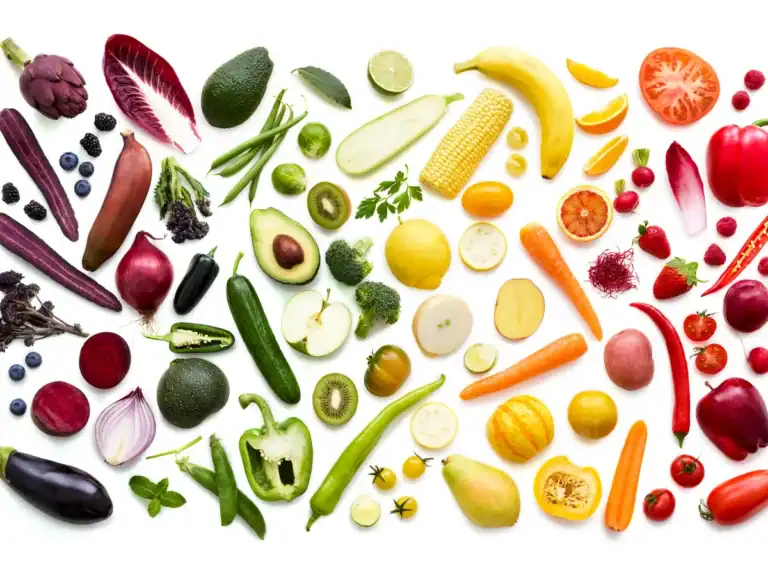
The key to naturally cleansing the body is the reduction of highly processed products, sugary drinks, and trans fats, replacing them with fresh, wholesome food. It’s worth increasing the intake of cruciferous vegetables (broccoli, cauliflower, Brussels sprouts, cabbage), which contain sulfur compounds that stimulate the enzymes responsible for breaking down toxins in the liver. It’s also important to diversify plants: the more “colorful” the plate, the greater the variety of antioxidants that support the body’s natural cleansing processes.
Additionally, fiber-rich fruits, vegetables, nuts, and seeds are helpful in supporting proper digestion and the elimination of harmful substances.
2. Proper Hydration
Water plays a key role in the body’s cleansing process – without proper hydration, kidney and liver functions are reduced, and the removal of metabolic waste from the body is delayed. Regular water consumption promotes proper blood flow, helps the kidneys filter toxins, and speeds up their elimination through urine. Aim for a total of about 1.5-2 liters of fluids daily (depending on activity and individual needs), choosing drinking water, herbal teas, or natural drinks – preferably limiting coffee and carbonated beverages.
3. Movement and Physical Activity
Regular physical activity supports the body’s cleansing in many ways. Movement improves blood flow, which promotes better oxygen and nutrient supply to organs, including the liver and kidneys. Additionally, during exercise, the body expels some toxins through sweat, and muscles support lymph circulation, which is important for the immune system.
Walking, fitness, yoga, or bodyweight training several times a week can significantly support natural detoxification processes.
4. Cleansing Herbs and Infusions
Non-medicinal herbs and infusions can support liver and digestive system functions. They help cleanse the body, such as nettle, chamomile, lemon balm, or mint, which soothe the digestive tract and support digestion. Some herbs, like witch hazel or lemon balm in lower doses, can support the immune system and alleviate feelings of fatigue.
It’s important to remember that some herbs may have a vasodilating effect or other effects, so the selection of preparations and dosing should always be agreed upon with a doctor or specialist.
5. Gut support – probiotics and fiber
A healthy gut microbiome plays a key role in the efficient removal of toxins from the body. Probiotics, or “good” bacteria, support the balance of gut microbiota, helping to eliminate toxic compounds. They can be found in fermented products such as natural yogurt, kefir, sauerkraut, or kimchi, as well as in probiotic supplements.
It’s also worth increasing the intake of fiber, which acts as a “brush” cleaning the intestines, supporting the flow and excretion of toxins. Good sources of fiber include oatmeal, seeds, vegetables, fruits, and whole-grain products.
What supplements for body cleansing?
Nature’s Sunshine products, which we describe in the catalog as supporting the detoxification processes and intestinal health:
- DTX Basics – a complex of four products (including Milk Thistle Combination, Super Antioxidant, Cinnamon Balance, and Bacillus Coagulans) specially designed for daily support of body cleansing and liver function.
- UltraBiome DTX – a blend of fiber, fruits, and vegetables supporting intestinal digestive pathways and toxin removal; includes psyllium husk, chicory root, flaxseed, broccoli, rosemary.
- Liquid Chlorophyll – recommended as a “green” supplement supporting conscious nutrition and cleansing, with sodium copper chlorophyllin.
- Products supporting the intestines: Bacillus Coagulans, Pro B11, Bowel Build, Loclo – support microflora and regularity, which helps the body’s natural toxin elimination processes.

Detoxification – Example Action Plan
Detox doesn’t have to be a complicated treatment lasting weeks. It’s best to start with a simple, 3-7 day plan, which eases the digestive tract, supports liver and kidney function, and at the same time does no harm to the body. An example of a short detox can include a light diet based mainly on fresh vegetables, fruits, oats, nuts, seeds, and whole-grain products, while limiting processed products, sugar, alcohol, and large amounts of caffeine.
It is also crucial to regularly consume comfortable quantities of mineral water or herbal teas, which support the body’s natural detoxification processes.
This approach is not about ‘starvation’ or the radical exclusion of all product groups, but about consciously avoiding those that heavily burden the digestive system and ‘pollute’ the body. A good starting point is two smaller meals a day and a few light snacks, limiting portions of fat and trans fats. Support can also come from increased physical activity — walking, yoga, pilates, or light training — which improve the flow of blood and lymph and help remove toxins from tissues.
Stages of Effective Cleansing
A well-planned detox can be divided into three key stages: preparation, the actual cleansing period, and the phase of regeneration and consolidation of changes. A possible fourth phase is the period of monitoring results and adapting dietary habits to a new way of life.
Preparation is the time to gradually eliminate industrial products, fast foods, sweets, and carbonated drinks from the diet, as well as to increase the amount of fresh vegetables, fruits, and hydration. In this phase, it’s also worth paying attention to sleep — the body should be as well-rested as possible before starting a more intense detox.
Proportional to the body’s ability to handle toxin exchange, during the proper detox period, we focus on a light diet rich in fiber, antioxidants, and key minerals such as magnesium or zinc. In each of the detox phases, it is also worth supporting the lymphatic system – through appropriate exercises, lymphatic massage, or relaxing walks that stimulate the flow of lymph and facilitate the removal of metabolic products from the tissues. Finally, a recovery phase is necessary, in which, after gradually returning to “normal” eating, it becomes a habit to care for the quality of products without radically excluding food groups.
Possible effects of detox – what to pay attention to?
Many people experience an improvement in well-being, more energy, a noticeable reduction in the feeling of abdominal “blockage,” and better concentration after an appropriately selected and short detox. There may also be recurring slight weight loss, especially in the case of reducing sugar and processed foods. However, it is worth remembering that each body reacts differently – some people may experience initial fatigue, headaches, or changes in intestinal function for several days, resulting from the digestive system’s adaptation to the new diet.
It is important not to associate detox solely with weight loss, but with an investment in health – that is, supporting the work of the liver, kidneys, and lymphatic system. If there are severe, long-lasting pain; deep drowsiness; dizziness; severe muscle pain; or allergic symptoms, it is worth consulting a doctor or dietitian and abandoning more energetic forms of detox.
For people with chronic diseases, pregnant or breastfeeding women, as well as those with eating disorders, any form of fasting or extreme detox diets should only be undertaken on the individual recommendation of a specialist.
The Most Common Myths and Facts about Body Detoxification
Around body detoxification, there are many unverified beliefs that are often based on emotions rather than medical facts. One of the most popular myths is the belief that our body “poisons itself” if we do not undergo periodic detox treatments. In reality, a healthy liver-kidney system, combined with the lungs, skin, and intestines, removes most toxins from our body daily, as long as they are not excessively burdened by poisoning or chronic diseases.
Another, perhaps the most widespread misconception, is that one-day or several-day fasts, “zero diets,” or juice detoxes effectively cleanse the body. In practice, most of these solutions only reduce water content and liver-muscle mass, which may give the impression of an effect, although real “detoxification” does not occur in a scientific sense. Moreover, such methods can lead to lack of energy, dizziness, electrolyte imbalances, or even slowed metabolism.
Some people believe that detox supplements or “miracle” pills actively remove toxins from the body. Many such products do not have scientifically proven effects, and excessive use of them may even burden the liver, which itself is the organ responsible for detoxification.
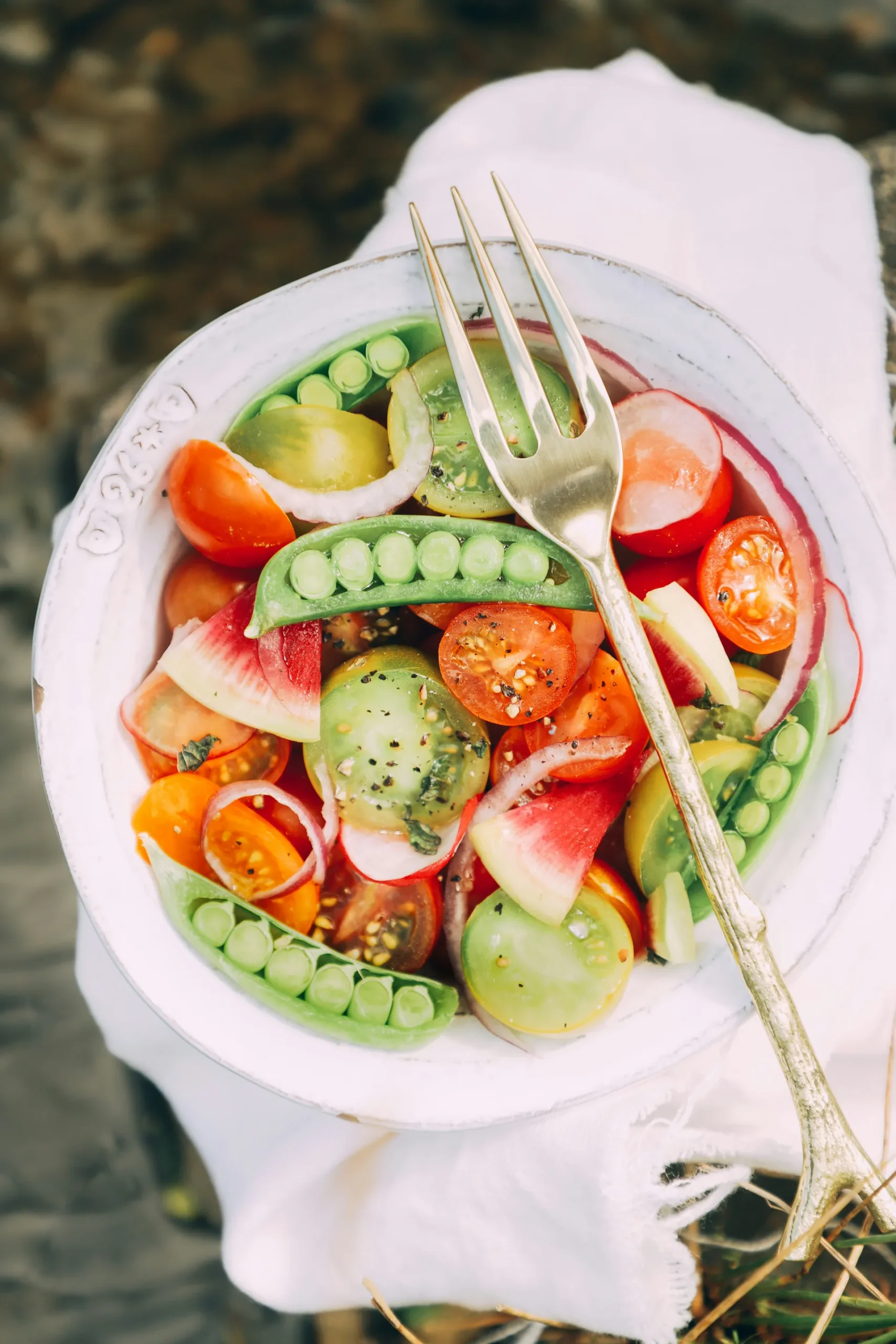
In an ideal situation, instead of trusting trendy preparations, it’s better to focus on daily habits: regularly drinking 2–2.5 liters of water daily, consuming vegetables and fruits, limiting processed foods, and reducing alcohol and cigarette intake.
A common myth is that detoxing is safe for everyone. In reality, cleansing the body in the form of restrictive diets or fasting is particularly not recommended for children, seniors, people with intestinal diseases, diabetes, liver or kidney failure, and pregnant women.
In such cases, any changes in diet and nutrition plans should be consulted in advance with a doctor or dietitian.
At the same time, it should be noted that there are a number of justified recommendations that truly support the body’s natural cleansing processes. The liver is the main organ responsible for processing toxins, and its proper function is supported by a balanced diet, rich in protein, vitamins B and A, and antioxidants. It also works in harmony with the digestive system, so taking care of healthy intestines, consuming fiber and probiotics, and avoiding processed foods are more practical actions than salon detoxes.
Ultimately, it is worth recognizing that “detox” promoted as a quick and easy way to get rid of toxins and achieve lasting weight loss is often a marketing term rather than a medical definition. The most effective and safest way to cleanse the body is a proper lifestyle maintained throughout the year, not a multi-day treatment that usually doesn’t lead to permanent changes after its conclusion.
When Shouldn’t You Detox?
Although a body detox is often seen as a way to “refresh” and combat excessive toxin load, there are situations where such treatments are highly dangerous or simply unnecessary. Too restrictive diets, juice fasts, or intensive herbal treatments can accelerate deficiencies or exacerbate existing health issues.
Individuals with chronic diseases, such as diabetes, kidney, liver, or cardiovascular conditions, should not be recommended to detoxify independently. Dietary changes, product elimination, or increased consumption of certain supplements can disrupt carbohydrate, fluid, or electrolyte balance, which can have serious consequences for patients with such conditions.
Pregnant women and breastfeeding women are among the groups that specialists strongly advise against detoxing. Restricting caloric intake, eliminating many products, or increasing herb consumption can lead to vitamin and mineral deficiencies and negatively impact the development of the child or the quality of mother’s milk.
People with a history of eating disorders, such as anorexia or bulimia, should also not undertake detox treatments. This type of diet can exacerbate unhealthy patterns of eating behavior, increase the risk of relapse, and deepen low self-esteem and a negative body image.
Seniors and individuals with reduced immunity or general weakness must remember that an improper diet and rapid weight loss can lead to a faster decline in muscle mass, deficiencies, and increased risk of falls and infections. For these groups, instead of extreme detoxes, it is better to implement gradual, safe changes in diet and physical activity after consulting with a doctor.
All detox plans, especially those involving the exclusion of major food groups, prolonged fasting, intense baths or supplementation, should always be preceded by consultation with a doctor or dietitian. In many cases, a better solution than a short-term detox is moderate and balanced nutrition, limiting processed food, sugar, and alcohol, and ensuring good sleep and recovery.
The best ways for safe and effective detoxification start with simple, everyday habits: maintain regular hydration, choose fresh and natural products, limit processed foods and harmful substances, and support sleep and physical activity. Remember that detoxification is not a “quick magical course,” but a process that supports the body’s natural mechanisms. If you plan a deeper detoxification, always consult with a doctor or nutrition specialist. Start today – even small changes will bring noticeable effects in well-being and energy.
FAQ
The main organs responsible for the natural detoxification of the body are the liver, kidneys, and intestines. The liver neutralizes toxins and filters the blood, supporting cleansing processes.
The kidneys expel waste through urine, and the intestines (especially the large intestine) remove residues with feces, aiding in maintaining the health of the digestive system.
Additionally, the lungs, skin, and lymphatic system also support the body’s detoxification process.
The detoxification method according to Dr. Josef Jonas is based on diagnostics using the Salvia device (based on EAV according to Voll), which assesses the level of toxins and disturbances in the body. Then, targeted cleansing with Joalis products (e.g., Help, Dren) is applied, which aids in regeneration and toxins removal from organs.
No, detoxification supplements should not be used by people with chronic diseases without prior medical consultation. Although some ingredients, like milk thistle or spirulina, may support the liver and digestion, the lack of precise indications for people with chronic conditions highlights the need for medical supervision to avoid potential interactions.
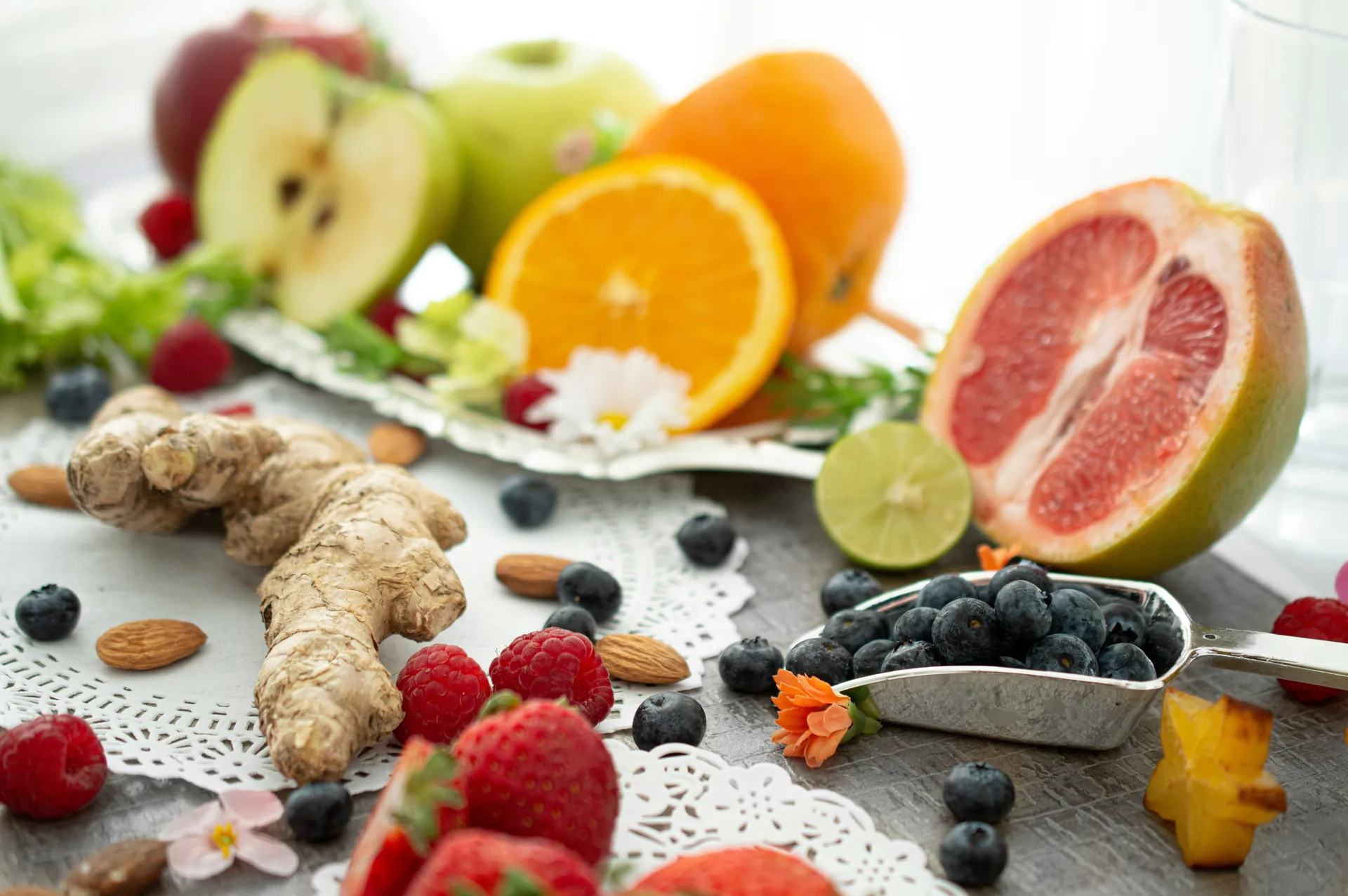
To support detoxification, it is worth using a diet rich in fiber (leafy vegetables, broccoli, whole grains), chlorophyll (parsley, spinach, kale), and fruits (apples, citrus fruits). Green tea, ginger, and turmeric are also good choices. Drink plenty of water, preferably with lemon, to aid cleansing processes.
Avoid sugar and processed food, which may negatively influence the detoxification process.

Conscious man - aware of the value of health and the need to take care of health. I prefer prevention. How do I do it? - conscious supplementation of the daily diet with the best supplements. Independent distributor of Nature's Sunshine products. Both me and my whole family use NSP supplements and cosmetics on a regular basis.