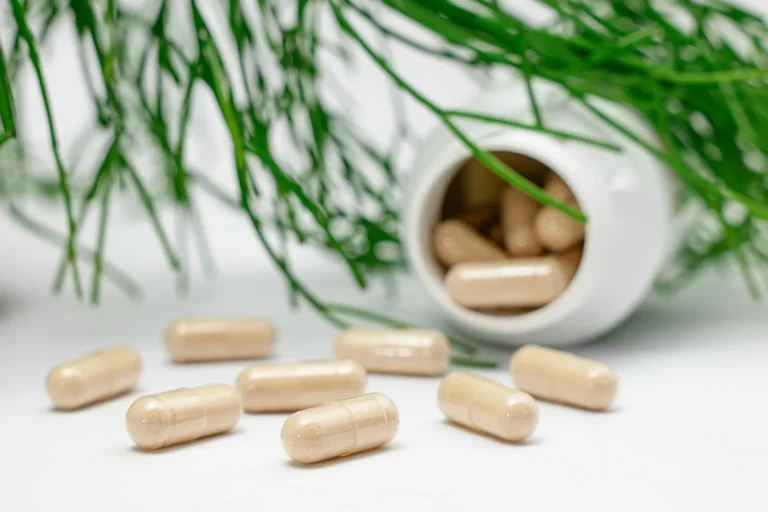
To naturally strengthen the immune system, it is important to focus primarily on a healthy lifestyle: a well-balanced diet, adequate sleep, regular physical activity, stress reduction, and daily supply of essential nutrients. Natural products such as vegetables, fruits, fermented foods, honey, and fish rich in omega acids can also be helpful.
The best results come from consistency and combining a few simple habits, rather than a single supplement or homemade method.
- What is immunity and what does it depend on?
- The best natural ways to boost immunity
- Physical activity – how does movement support the immune system?
- Sleep and recovery – a key element of strong immunity
- Natural products and home methods to boost immunity
- How Does Stress Affect Immunity and How to Deal with It?
- Impact of the gut microbiota on natural immunity
- Supplementation – when is it worth considering support?
- Practical daily tips to boost immunity
- Summary: How to naturally strengthen immunity?
- FAQ
What is immunity and what does it depend on?
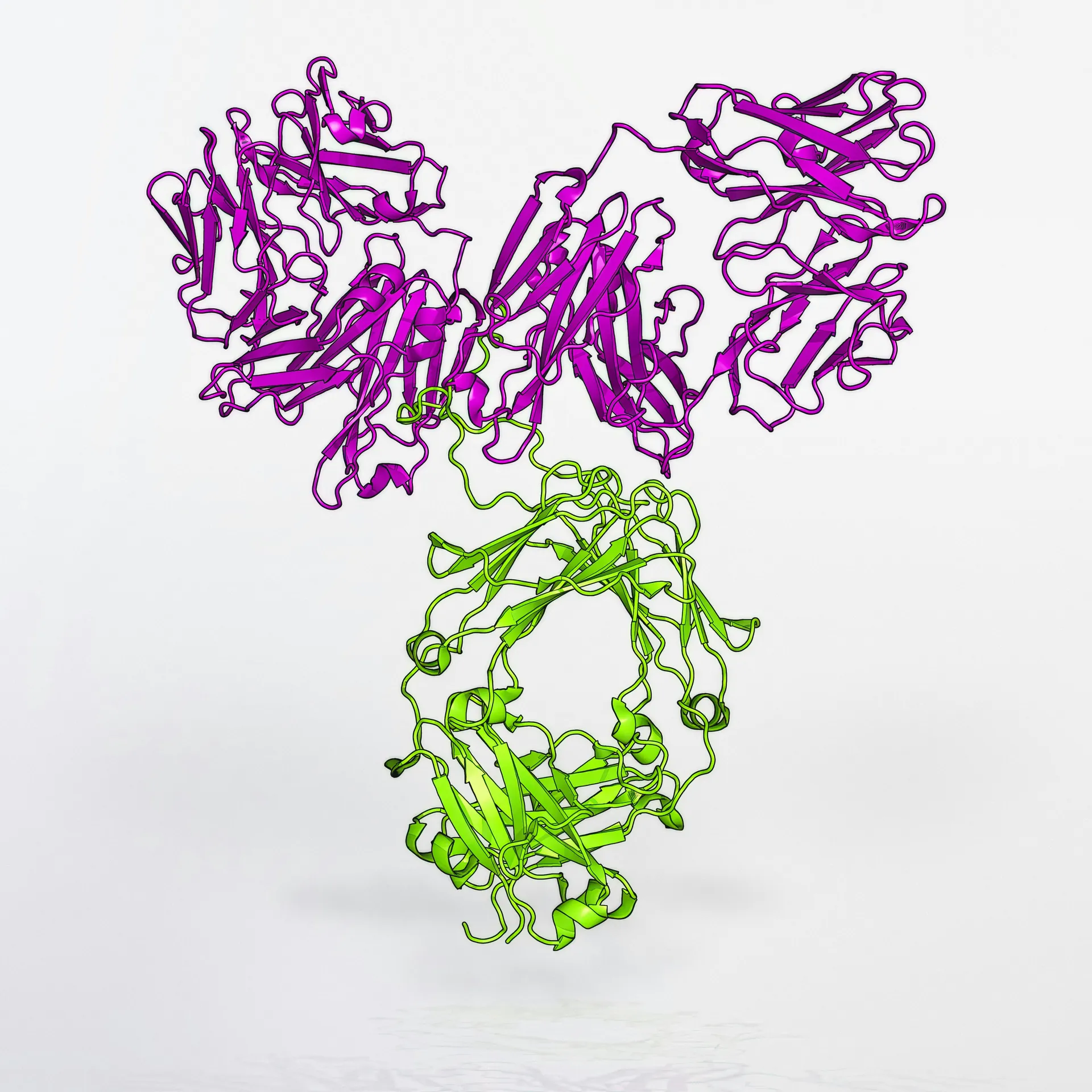
Immunity is the body’s ability to recognize and combat microorganisms such as viruses, bacteria, and fungi. This process is managed by the immune system, also known as the immunological system.
It is composed of, among other things, the lymphatic organs, immune cells, and mechanisms that cooperate to protect the body from infections.
The immune system operates continuously, but its efficiency can change due to many factors. Age, genetic predispositions, past diseases, quality of sleep, level of stress, physical activity, and diet all have an impact. Therefore, boosting immunity should not be based on a single solution but on daily care for the proper functioning of the body.
An essential role is played by a diet providing adequate nutrients. Vegetables and fruits are sources of vitamins, minerals, and antioxidants that help protect cells from the effects of free radicals.
The menu should also include whole grain products, legumes, nuts, seeds, healthy fats, and sea fish containing omega fatty acids, including DHA and EPA.
It’s important to remember that the body’s immunity does not mean complete protection against illness. Even a well-functioning immune system can encounter an infection.
Its task, however, is to respond effectively to threats and support the recovery process. For this reason, the most important aspect is a comprehensive approach including nutrition, sleep, physical activity, regeneration, and reducing chronic stress.
The condition of the immune system is also influenced by the gut microbiota, which is a collection of microorganisms inhabiting the digestive tract. Its proper balance supports the immune system’s functioning, so it is worth regularly consuming products rich in fiber and natural fermented foods. Equally important is avoiding excessive alcohol, tobacco smoking, and highly processed foods.
Natural immunity enhancement takes time. Instead of looking for a quick fix, it is better to gradually introduce lasting changes that support the proper functioning of the body throughout the year, especially in autumn and winter.
The best natural ways to boost immunity
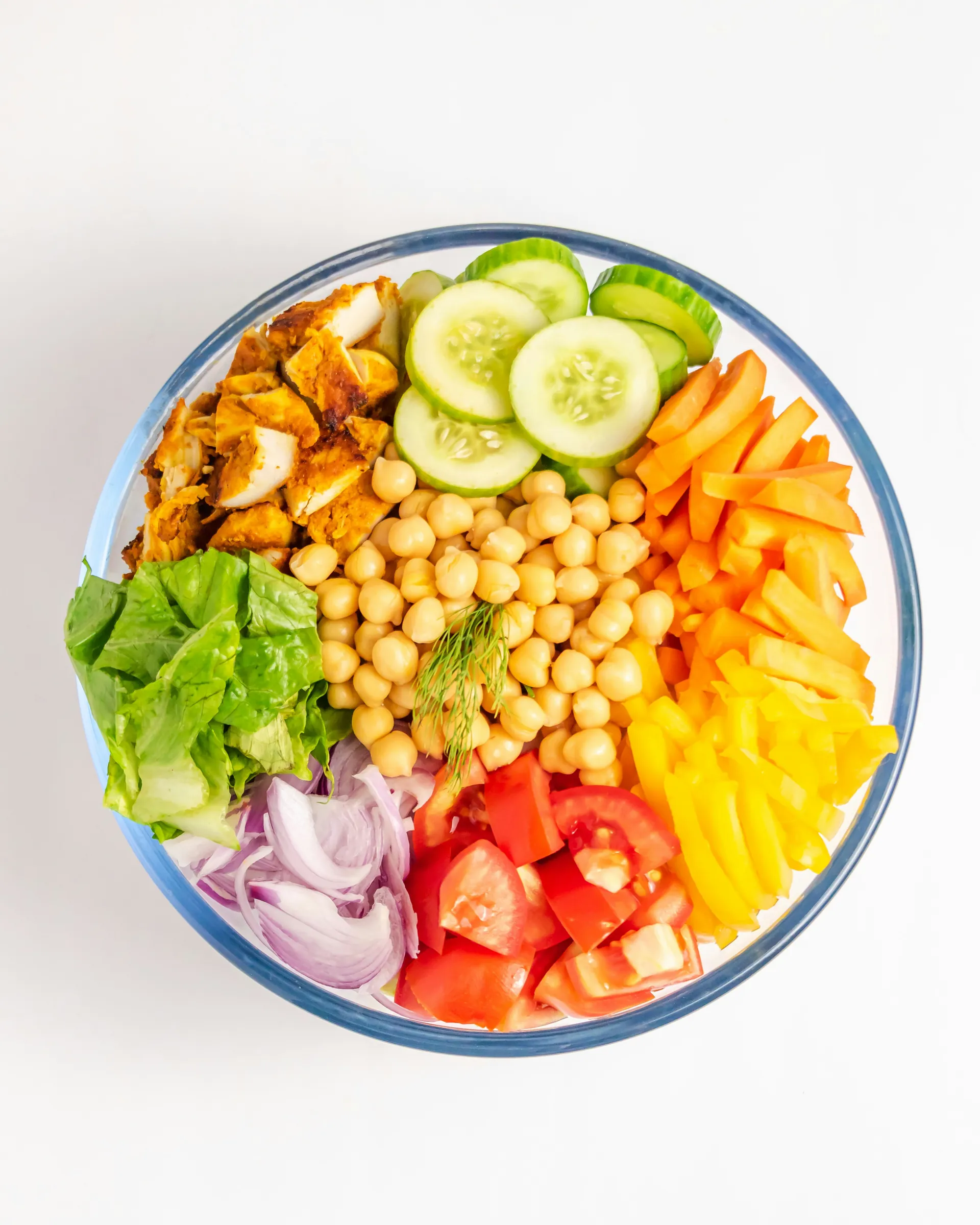
A balanced diet as the foundation of health
The daily menu should provide a variety of products that support the proper functioning of the body. It’s worth including vegetables and fruits of various colors, whole grain products, legumes, fish, eggs, and high-quality fats such as olive oil, avocado, and nuts.
Such a way of eating helps ensure the appropriate amount of fiber, protein, and bioactive components.
The role of vitamins and minerals
Particularly important for immunity are vitamins A, C, and D, as well as zinc, selenium, and iron. It is best to obtain them primarily from food, as a properly composed diet usually meets the body’s needs.
Supplementation is worth considering after consulting a doctor or pharmacist, especially in cases of chronic diseases, pregnancy, or taking medications.
Healthy eating habits
It’s not just the choice of products that matters but also the way of eating. Regular, varied meals, limiting highly processed foods, and moderation in consuming sugar and salt help maintain good condition.
Also helpful is reading labels and planning purchases, making it easier to control the content of the daily menu.
The importance of hydration
An adequate amount of fluids supports the transport of nutrients, the work of mucous membranes, and the proper processes taking place in the body. The foundation should be water, supplemented with unsweetened infusions or soups.
The need depends, among other things, on the ambient temperature, physical activity, age, and health condition, so it is worth drinking regularly without waiting for a strong feeling of thirst.
Physical activity – how does movement support the immune system?

Regular movement helps the body respond more efficiently to threats because it improves blood and lymph circulation. This allows immune system cells to reach the tissues where they are needed more quickly.
Moderate activity also supports maintaining a healthy body weight, positively affects metabolism, and helps limit the effects of chronic stress, which can weaken natural defense mechanisms.
Types of physical activities recommended for immunity
A good choice is mainly moderate-intensity exercises performed systematically. You can choose fast walking, cycling, swimming, gentle jogging, Nordic walking, or dancing.
Beneficial supplements include strengthening exercises such as bodyweight training, pilates or light gymnastics, as well as activities that improve mobility and balance.
It is worthwhile to match the type of effort to age, fitness level, and health condition. Beginners should increase the load gradually, starting with shorter sessions.
Very intense training without proper recovery can excessively strain the body, so rest days, hydration, and the right amount of sleep are important.
The impact of daily movement on the body
Even a small but regular dose of activity can beneficially affect the functioning of the entire body. Walking and getting up from the desk frequently support circulation, help maintain muscle fitness and can improve sleep quality. Movement also supports better mental well-being as it helps release tension and promotes the secretion of mood-related substances.
The best results come from incorporating activity into the daily plan in a realistic and enjoyable way. A short walk, choosing stairs instead of the elevator, or a few minutes of exercises at home also matter if repeated regularly. In the case of infection, fever, or significant weakness, you should refrain from exercising and return to it only after regaining strength.
Sleep and recovery – a key element of strong immunity
How does sleep affect immunity?
During sleep, the body switches into a mode of intense repair and organization of processes occurring throughout the day. It is then that the immune system can more effectively regulate the activity of cells responsible for recognizing and combating threats. Proper length and quality of sleep also contribute to maintaining the correct balance between inflammation and mechanisms that extinguish it.
Regular lack of sleep can weaken the body’s response to pathogens, increase susceptibility to infections, and hinder recovery. It’s not only the number of hours slept that matters, but also the continuity of sleep.
Frequent awakenings, irregular sleeping times, and exposure to screen light before bed may limit its regenerative effect.
How much sleep do we need?
Adults are usually recommended about 7-9 hours of sleep per day, although individual needs may vary slightly. Teenagers typically need 8-10 hours, schoolchildren about 9-12 hours, and younger children even more. It’s worth observing body signals: difficulties with concentration, daytime sleepiness, irritability, and frequent consumption of caffeine may indicate that there is too little sleep.
Establishing regular times for going to bed and waking up, even on days off, can be helpful. The bedroom should be as quiet, cool, and dark as possible, and in the evening it’s worth reducing intense light and heavy meals.
If sleep problems persist for a long time, it’s good to consult with a doctor, as they may be caused by disorders requiring proper diagnosis.
Natural products and home methods to boost immunity
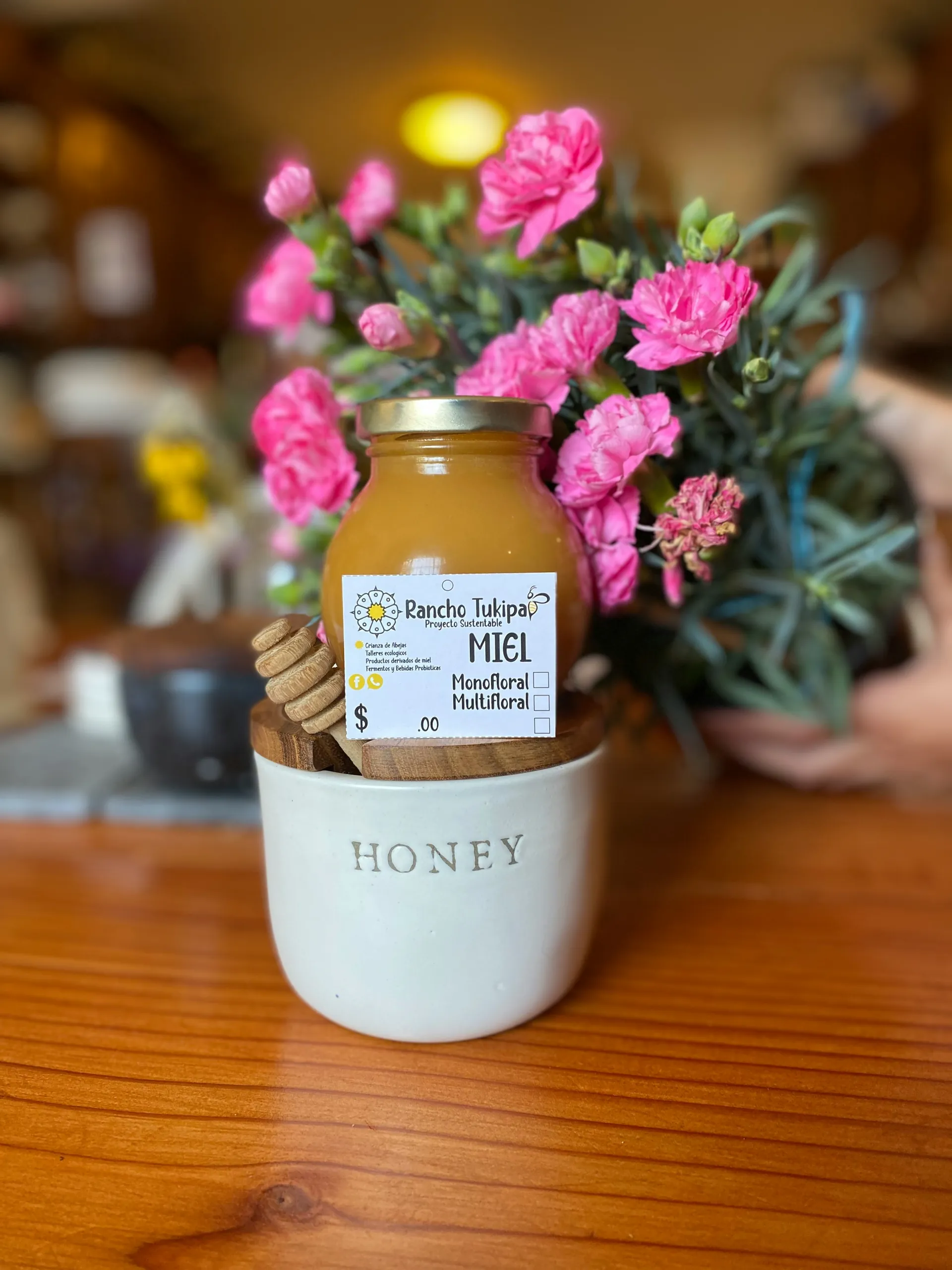
Honey, garlic, ginger, turmeric – what to include in your diet?
It’s worth focusing on products in your daily diet that have long been valued for their body-supporting properties. Honey can be a mild addition to drinks and meals, and it serves as a natural alternative to sweetening. Garlic works best when raw or added to dishes at the end of cooking, allowing it to retain more valuable compounds.
Ginger warms well and pairs excellently with both drinks and savory dishes. Turmeric, on the other hand, gains value when combined with a bit of fat and pepper, which facilitates the use of its active ingredients.
The most important thing is regularity, as even small amounts of such additions included permanently in the diet can support the body in a more balanced way. It’s also important to remember moderation and to treat them as a supplement to a healthy lifestyle, not a quick replacement for other habits.
Herbal teas and infusions supporting immunity
Warm infusions of herbs and spices are a simple way to support the body daily, especially in colder days. Infusions of lime, elderberry, chamomile, or mint are popular because they are gentle, aromatic, and easy to prepare.
Blends with the addition of lemon, ginger, or a small amount of honey work well too, improving the taste and enhancing the pleasure of drinking.
Herbal teas are best prepared from fresh or high-quality dried raw materials, taking care of the proper brewing time. This way, the drink retains a full flavor and can become a regular part of a daily ritual supporting well-being.
Pickles and Fermented Products
Pickles and other fermented products are a valuable part of the diet that helps diversify daily meals and support the body’s natural balance. Sauerkraut, pickled cucumbers, kefir, natural yogurt, or kimchi provide ingredients created in the fermentation process, and also enrich the menu with intense flavors and pleasant acidity.
Including such products in the meal plan is particularly beneficial when they appear regularly and in reasonable portions. It’s best to choose versions as unprocessed as possible, without unnecessary additives, as they most fully align with the idea of naturally supporting immunity.
How Does Stress Affect Immunity and How to Deal with It?
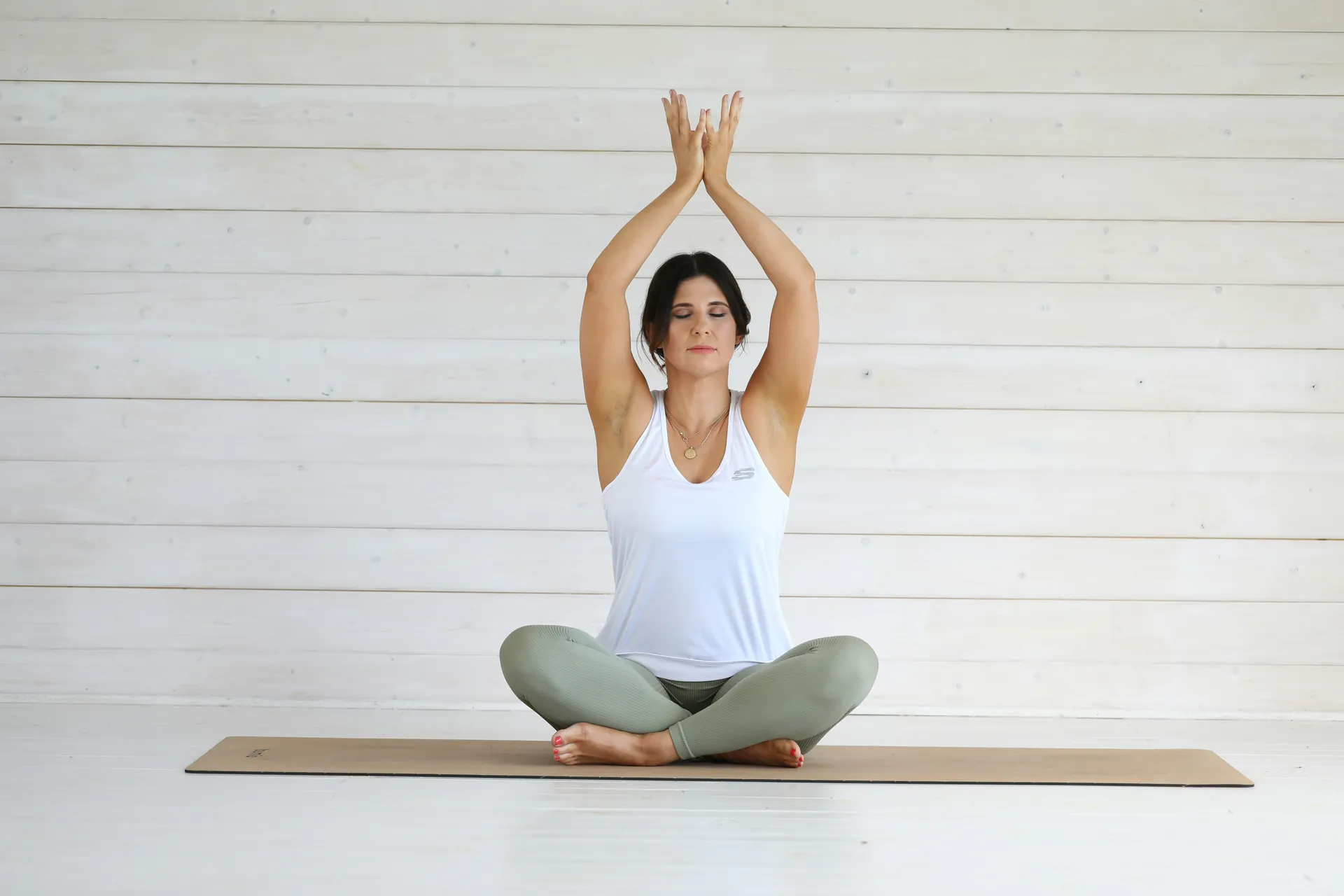
Chronic stress can disrupt the normal functioning of the immune system. Ongoing tension promotes elevated levels of cortisol, which may weaken the body’s response to infections and prolong the recovery process. Short-term stress may not be harmful, but its constant impact can also negatively affect sleep, appetite, and daily health-supporting habits.
Relaxation techniques and tension reduction
An effective way to reduce tension is through regular physical activity of moderate intensity, such as walking, cycling, or gentle stretching exercises. Breathing exercises, meditation, muscle relaxation, and short breaks from screen work can also be helpful. It’s beneficial to choose methods that are easy to repeat and fit into the daily routine, as consistency provides more benefits than sporadic, long sessions.
Organizing tasks also helps with tension reduction. Setting priorities, breaking larger tasks into smaller stages, and limiting excessive stimuli help regain a sense of control.
If stress becomes overwhelming or persists for a long time, it is advisable to consult a mental health specialist.
The importance of mental balance
Mental balance supports immunity because it facilitates maintaining regular sleep, proper nutrition, and physical activity. Relationships with loved ones, rest, and having realistic expectations of oneself are also important. Mindfully recognizing emotions and responding to signs of overload can prevent the buildup of chronic tension.
Caring for mental health does not mean avoiding all difficult situations but developing ways to cope with them. Even small, consistently implemented changes can improve well-being and create better conditions for the body to function properly.
Impact of the gut microbiota on natural immunity
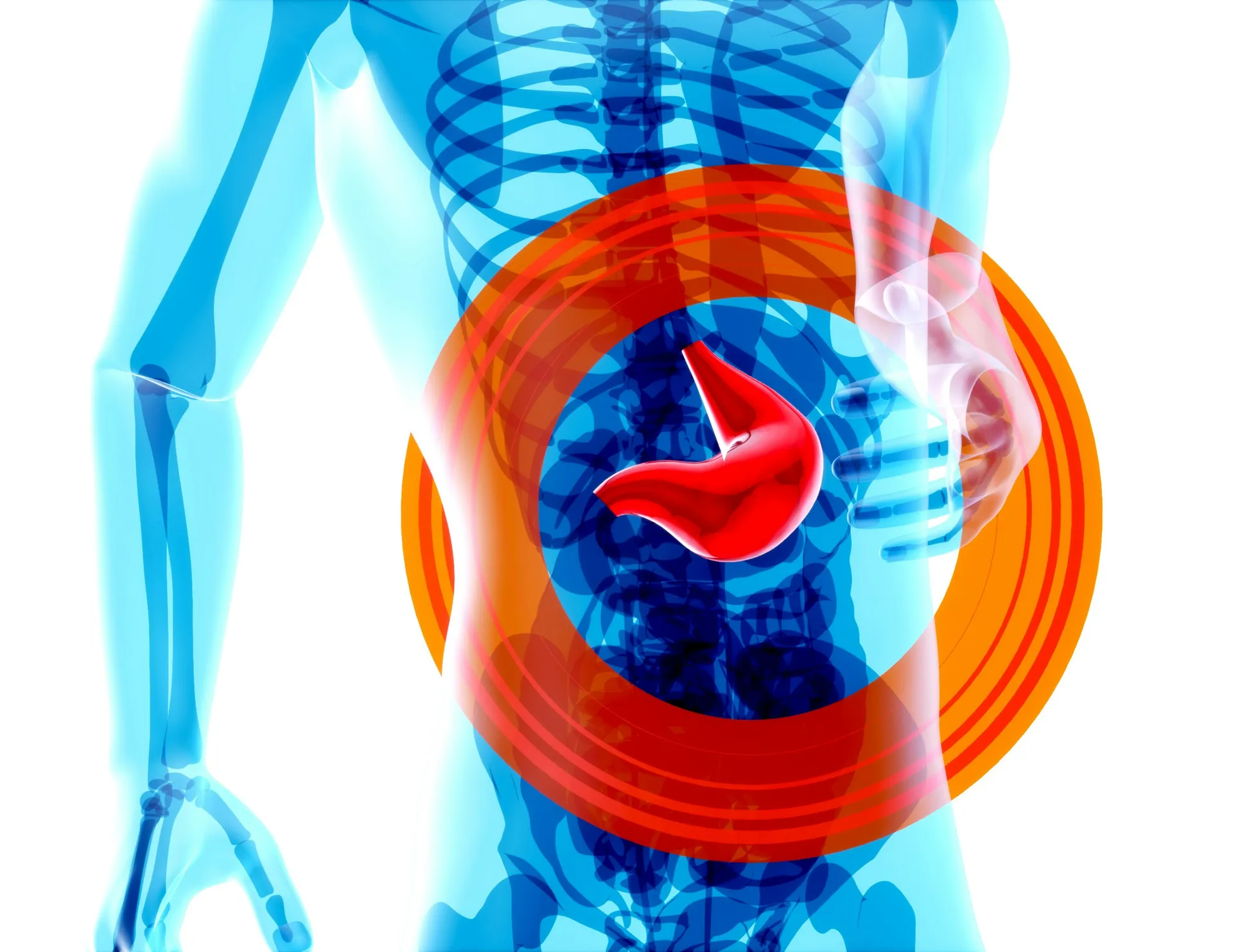
Gut microbiota is a key component of the immune system. The microorganisms that form it help maintain the proper integrity of the gut barrier, which limits the penetration of undesirable substances into the body.
In addition, the microbiota aids in the maturation of immune cells and participates in the regulation of inflammatory responses.
The diversity of the microbiota promotes a balance between effective protection against pathogens and safeguarding tissues from excessive immune reactions. Factors influencing its condition include diet, physical activity, stress levels, sleep quality, and the use of medications, particularly antibiotics.
How to take care of gut health?
The foundation of gut health care is a diverse diet, rich in vegetables, fruits, whole grain products, legumes, nuts, and healthy fats. These ingredients provide fiber and other nutrients, supporting proper digestive function and nourishing beneficial bacteria.
Regular physical activity, proper hydration, and maintaining consistent sleep schedules are other key elements. Limiting highly processed foods, excess simple sugars, and alcohol further promotes maintaining favorable conditions in the intestines. Antibiotics should be used only as directed by a doctor to avoid disrupting microbial balance.
Probiotics and Prebiotics in the Diet
Probiotics are live microorganisms that, when consumed in adequate amounts, can have a positive impact on health. They are found in naturally fermented dairy products like yogurt and kefir, as well as pickled vegetables.
The effectiveness of a specific probiotic strain depends on its properties and the purpose of its use.
Prebiotics are components that are not digested in the small intestine but serve as food for selected gut bacteria. They can be found in onions, garlic, leeks, chicory, asparagus, bananas, oats, and legumes. Increasing fiber intake in the diet should be done gradually, especially for sensitive individuals, to minimize the risk of bloating and discomfort.
Probiotic supplements are not necessary for everyone. It is advisable to consult their selection with a doctor or pharmacist, especially in cases of chronic diseases, reduced immunity, or ongoing medication.
Supplementation – when is it worth considering support?
Supplements can be helpful when the diet does not provide enough of certain nutrients, when there is a deficiency, or when the body’s demand is increased. However, they should not replace a varied diet, sleep, physical activity, or treatments recommended by a doctor.
Vitamin D, vitamin C, zinc, and other immunity-supporting ingredients
Vitamin D plays an important role in the proper functioning of the immune system. Its supplementation is worth considering, especially during periods of low sun exposure, ideally after consultation and – if necessary – determining blood concentration.
The dosage should take into account age, body weight, diet, and individual recommendations.
Vitamin C participates, among other things, in protecting cells from oxidative stress and supports the proper functioning of the immune system. In healthy individuals who eat vegetables and fruits, additional supplementation is often not necessary. It may be considered in the case of a poor diet or increased demand, but one should not expect it to prevent every infection.
Zinc is necessary for the proper functioning of many enzymes and maintaining immune efficiency. Its deficiency can occur, among other reasons, due to an improperly balanced diet or absorption disorders. It’s important to remember that long-term intake of too large doses can lead to adverse effects, including disrupting copper metabolism.
Depending on the situation, other components such as iron, vitamin B12, or omega-3 fatty acids may also be important. Their use should be based on real needs, test results, or specialist recommendations, rather than the belief that a greater number of supplements automatically ensures better immunity.
How to safely take supplements?
Before starting supplementation, you should check the product’s composition, the content of active substances, and the recommended portion. It is not advisable to combine several products with similar compositions, as it is easy to unintentionally exceed safe amounts. Special caution should be maintained by those taking medications, pregnant and breastfeeding women, children, seniors, and patients with chronic diseases.
Supplements are best purchased from reliable sources and used according to the label’s information. Do not increase doses in the hope of a faster effect or treat the preparation as a means of treating infections.
If troubling symptoms occur, such as nausea, abdominal pain, rash, or other unusual reactions, the supplement should be discontinued, and a doctor or pharmacist should be consulted.
The safest strategy is to address specific deficiencies, rather than routinely consuming multiple products at once. If in doubt, discussing your diet, test results, and medications with a doctor or dietitian can be helpful.
Practical daily tips to boost immunity

Daily habits have a significant impact on how the body handles challenges. Boosting immunity doesn’t require complicated actions, but rather consistency in simple choices that gradually become a natural part of your lifestyle.
Avoiding stimulants and harmful habits
Limiting stimulants is one of the most important steps in supporting the body. Smoking cigarettes, excessive alcohol consumption, and frequent intake of highly processed food can weaken natural defense mechanisms and worsen overall condition.
It is also worth paying attention to daily habits such as chronic lack of sleep or a lack of regular breaks at work, because long-term overload contributes to a decrease in energy and reduced body efficiency.
Hygiene principles and infection prevention
Following simple hygiene rules is very important. Regular hand washing, keeping everyday items clean, and avoiding touching your face in public places help reduce contact with microorganisms. During seasons with an increased incidence of illnesses, it’s also worth remembering to ventilate rooms, keep a distance from visibly sick people, and respond quickly to the first signs of infection to prevent them from worsening.
The importance of contact with nature and fresh air
Regular contact with nature promotes regeneration and improves well-being. Walks in the park, forest, or even short outdoor stays during the day help oxygenate the body and provide a break from excessive stimuli. Fresh air and moderate outdoor activity can support daily balance, reduce tension, and help maintain healthy circadian rhythms, which indirectly strengthens immunity.
Summary: How to naturally strengthen immunity?
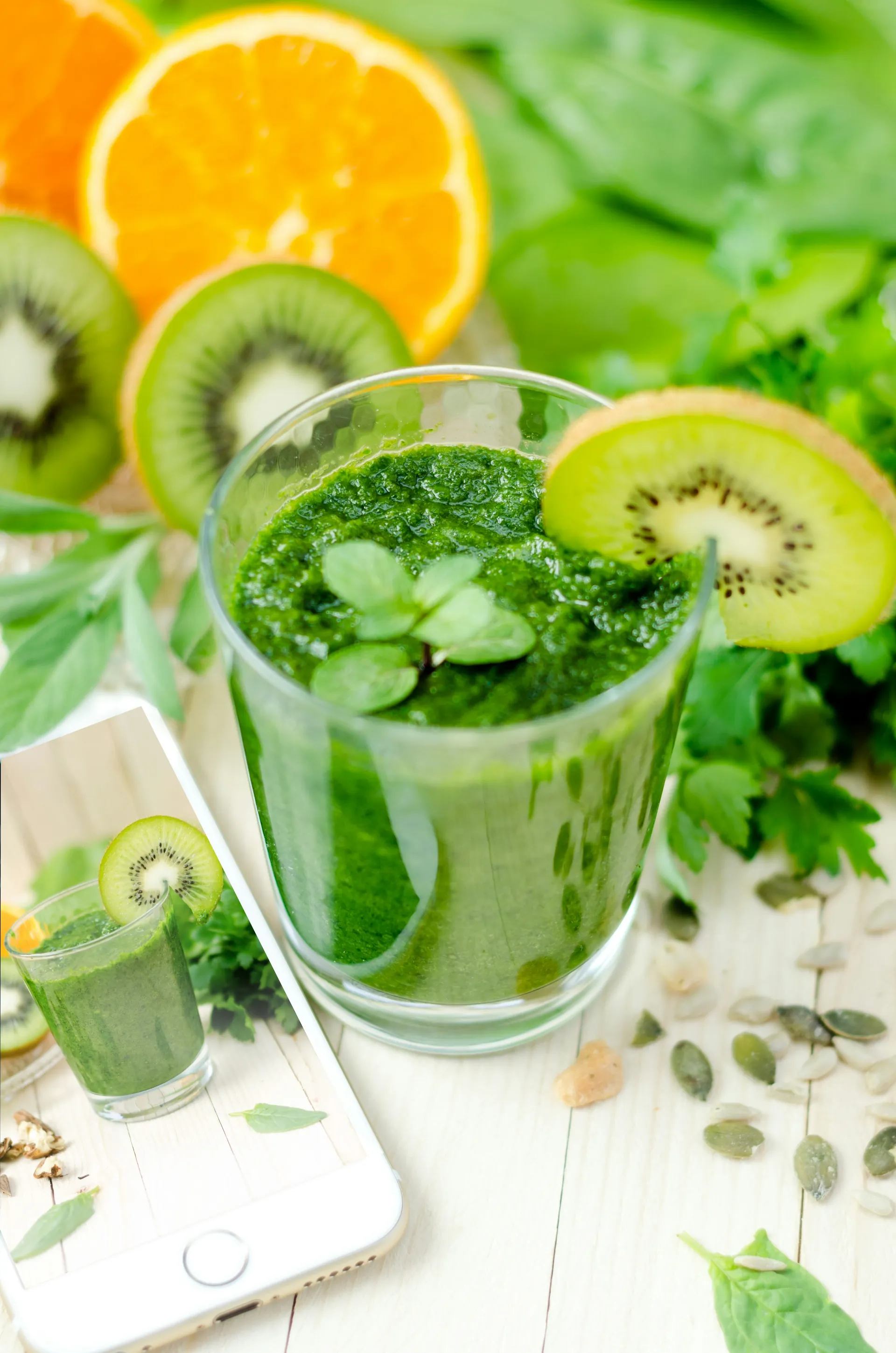
Strengthening immunity begins with daily habits: a balanced diet, adequate sleep, regular exercise, and maintaining hydration. It’s also important to limit stress, use natural sources of vitamins, and remember about rest. The most important thing is consistent action, as it provides lasting effects.
Don’t wait until your body signals weakness—start supporting it today. Choose one habit and introduce it now, then gradually add more. Small steps truly build stronger immunity.
FAQ
Regular sleep lasting 7-9 hours, daily moderate exercise, a balanced diet rich in vegetables, fruits, and fermented foods, adequate hydration, and stress reduction are the best ways to support daily immunity.
Yes, diet, sleep, and exercise are key pillars of immunity. However, they do not work in isolation—vaccinations, stress levels, age, and illnesses also affect the immune system. The best results come from a consistent, balanced routine rather than relying on one ‘super factor’.
Include vegetables, citrus fruits, berries, garlic, ginger, turmeric, fermented foods, yogurt, kefir, nuts, seeds, and oily fish in your diet. It’s also worth trying herbs such as echinacea, elderberry, thyme, and oregano.
No, supplements are not necessary if you want to boost your immunity naturally. Key factors include sleep, a balanced diet, regular exercise, and stress reduction. Supplements can be helpful only in cases of confirmed deficiencies, such as vitamin D, C, zinc, or selenium, and should be used after consulting a doctor.

Conscious man - aware of the value of health and the need to take care of health. I prefer prevention. How do I do it? - conscious supplementation of the daily diet with the best supplements. Independent distributor of Nature's Sunshine products. Both me and my whole family use NSP supplements and cosmetics on a regular basis.