Nutraceuticals are natural foodstuffs or their components that show a beneficial effect on health of the body, surpassing the basic nutritional values. They support the functioning of the entire organism, modify the temporary standpoint of the metabolic and immune system and can reduce the risk of occurrence of many civilization diseases.
- What are nutraceuticals?
- Health from nature - groups of products classified as nutraceuticals
- Nutraceuticals from Nature's Sunshine Products
- Nutraceuticals Nature's Sunshine
- Nutraceuticals in food - which products contain the most?
- What does the process of obtaining nutraceuticals look like?
- Health benefits of nutraceuticals - in which diseases do they assist us?
- Who can use nutraceuticals, and who should avoid them? Nutraceuticals in dietary supplements
- FAQ
What are nutraceuticals?
The term “nutraceuticals” is derived from the combination of the English words nutrition and pharmaceutical (pharmaceutical), which perfectly conveys the nature of this group of substances. In practice, nutraceuticals are foodstuffs or single bioactive substances of natural origin, which have a documented beneficial effect on the body. They can be found either in specific food products or in the form of dietary supplements.
Nutraceuticals are not drugs in the classical sense, but due to their unique properties, they can support treatment and prevent the development of many diseases. They engage in a range of biochemical reactions, support the functioning of the digestive system, and overall homeostasis of the body. Moreover, they aid the functioning of the nervous system, immune system, and cardiovascular system, which results in a beneficial influence on the health of the entire body.
Nutraceuticals constitute an important element of modern prevention and supportive therapy, especially in the context of chronic diseases. It is worth noting that their health benefits must be backed by documented research, and the products themselves should be of high quality to ensure a real health effect.
Health from nature – groups of products classified as nutraceuticals
Nutraceuticals are natural ingredients of plant, animal, or microbiological origin, which go beyond the functions of “classic” nutrients, providing measurable health benefits. Among the most important groups of products classified as nutraceuticals are vitamins and minerals, prebiotics and probiotics, as well as phytochemicals and other bioactive plant compounds.
Vitamins and minerals
Vitamins and minerals are usually considered essential nutrients, but in appropriate doses and profiles, they can also serve a nutraceutical role. Antioxidant vitamins, such as vitamin C, vitamin E, and carotenoids, protect cells from oxidative stress, which can reduce the risk of chronic diseases, including cardiovascular diseases and cancer.
Trace elements like zinc, magnesium, and selenium support the immune system and metabolic processes, leading to better immune resistance and metabolic health.
In supplemental form or enriched in food products, vitamins and minerals can intentionally support specific aspects of health, such as improving cognitive function, bone health, glycemic control, or preventing deficiencies. However, it’s important to remember that their nutraceutical effect depends on the dose and the body’s individual needs, which is why it’s advisable to consult a doctor or nutritionist before starting supplementation.
Prebiotics and Probiotics
Prebiotics are non-digestible food components, most often specific carbohydrates, that promote the growth of beneficial bacteria in the gut. The main prebiotics include inulin, fructooligosaccharides, and galactooligosaccharides. Their action improves the rhythm of the digestive tract, enhances the absorption of minerals such as calcium, and strengthens intestinal immunity.
Probiotics are live microorganisms, mainly bacteria from the Lactobacillus and Bifidobacterium genera, that in appropriate amounts show beneficial effects on the host’s health. They support the balance of the gut microbiome, counteract the spread of pathogenic microorganisms, and may positively influence mood and neurochemical functions through the so-called gut-brain axis. The combined use of prebiotics and probiotics, known as synbiotics, is continually used in the prevention and support of therapy for many digestive system disorders and the overall wellbeing of the body.
Phytonutrients and Bioactive Plant Compounds
Phytonutrients, or bioactive plant compounds, make up a very large and diverse group of natural substances that exhibit numerous health benefits. The most important families include polyphenols, carotenoids, isoflavones, lignans, terpenes, and saponins. They are found in fruits, vegetables, whole grains, nuts, seeds, and spices.
Many of these compounds have antioxidant, anti-inflammatory, and anticancer properties. They can, among other things, support cardiovascular health, regulate blood glucose and lipid levels, and also impact skin and nervous system health.
Thanks to their synergy, the effect can be stronger than introducing a single component in isolation, highlighting the importance of a varied diet based on natural plant products.
Nutraceuticals in food can be found in many everyday products, not just in specially “enriched” drinks or supplements. Here are some types of foods that are particularly high in omega-3 acids, antioxidants, and other beneficial phytochemicals.
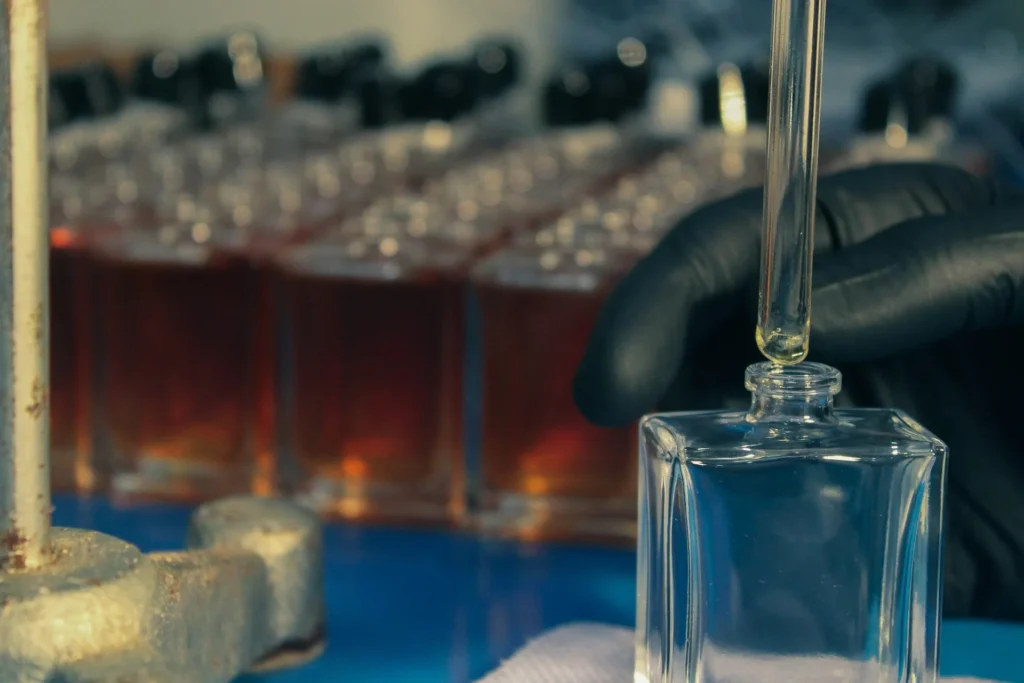
Nutraceuticals from Nature’s Sunshine Products
Nutraceuticals from Nature’s Sunshine work differently than most supplements available on the market, as they are not considered an “addition” to the daily diet, but as a precisely prepared form of support for the body. It is not a random mixture of ingredients, but the result of the combination of raw material purity, preserved bioactivity, and rigorous control at every stage. Thanks to this, the body does not have to “fight” with the assimilation of substances – it recognizes them as natural and uses them according to its needs. This is a subtle but key difference that determines real effectiveness.
Nutraceuticals Nature’s Sunshine
-
REGISTER AND BUY 30% OFF!
Aloe juice (946 ml) Nature’s Sunshine NSP
Price without registration: Original price was: 146.00 zł.
After registration: 108.00 złCurrent price is: 108.00 zł. with VAT -
REGISTER AND BUY 30% OFF!
Ashwagandha (60 caps.) Nature’s Sunshine Products NSP
Price without registration: Original price was: 199.00 zł.
After registration: 139.00 złCurrent price is: 139.00 zł. with VAT -
REGISTER AND BUY 30% OFF!
Bacillus Coagulans (90 caps.) Nature’s Sunshine NSP
Price without registration: Original price was: 141.00 zł.
After registration: 105.00 złCurrent price is: 105.00 zł. with VAT -
REGISTER AND BUY 30% OFF!
Bifidophilus bacteria (90 caps.) Nature’s Sunshine NSP
Price without registration: Original price was: 169.00 zł.
After registration: 132.00 złCurrent price is: 132.00 zł. with VAT -
REGISTER AND BUY 30% OFF!
Blood Pressurex (60 caps.) Nature’s Sunshine NSP
Price without registration: Original price was: 239.00 zł.
After registration: 137.00 złCurrent price is: 137.00 zł. with VAT


In practice, this means supporting the fundamental life processes that are often disrupted by lifestyle, stress, or environmental pollution. Nutraceuticals of this quality do not “cover” symptoms but support the body in returning to balance. They affect cellular regeneration, support the immune system, help maintain a stable energy level, and improve the body’s ability to adapt. This action is neither rapid nor forced – it aligns with the body’s natural rhythm.
It is also essential that the high quality of ingredients translates to their bioavailability. The body not only receives the nutrients but is able to utilize them effectively. This means less strain on the digestive system and greater operational efficiency. In the long run, this translates to improved overall well-being, greater resilience to external factors, and a more stable state of health.
“It’s not about forcing something – it’s about restoring what works naturally.”
And this is the true strength of Nature’s Sunshine nutraceuticals – they do not interfere aggressively but support the body in returning to its own, original balance.
Nutraceuticals in food – which products contain the most?
Products rich in omega-3
The richest natural sources of omega-3 acids include fatty fish from cold seas, such as mackerel, salmon, herring, or sardines. They contain large amounts of long-chain DHA and EPA acids, which support heart health, the nervous system, and vision. In 100 g of mackerel, there can be several grams of omega-3 acids, making it one of the most effective dietary “doses” of these acids.
For people limiting meat and fish, important sources of omega-3 are plant products, with the most ALA acid provided by flaxseed, chia seeds, walnuts, and oils: flaxseed, chia seed, and canola. It is worth regularly incorporating them into the diet, although it should be remembered that the conversion of ALA to DHA and EPA in the body is limited, which is why vegetarian individuals are often advised to supplement.
Berries, green tea, and dark chocolate
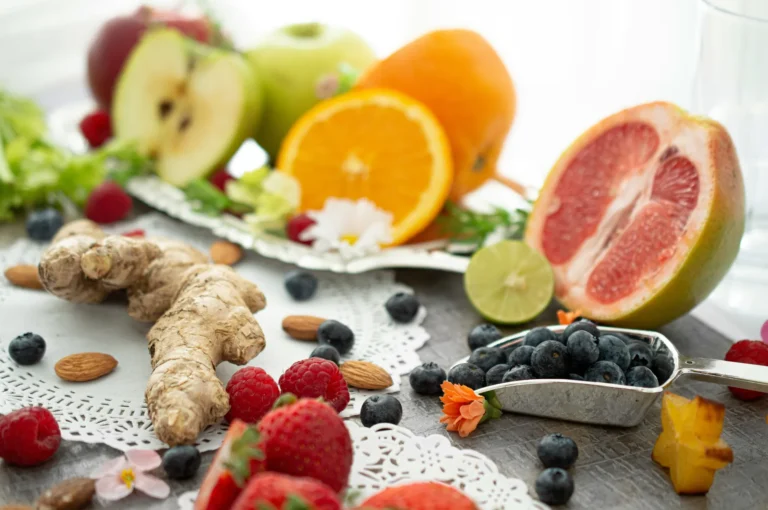
Berries – such as blueberries, raspberries, blackberries, or blackcurrants – are exceptionally rich in polyphenols and vitamin C, which act as antioxidants, supporting the immune system. Their regular consumption may contribute to slowing down cell aging processes and improving cognitive functions.
Green tea, thanks to its abundance of catechins and other antioxidant compounds, exhibits anti-atherosclerotic effects, supports the cardiovascular system, and reduces the risk of certain cancers. Drinking several cups of green tea daily combines pleasure with proactive prevention.
Dark chocolate, especially the one with a high cocoa content (above 70%), contains flavonoids that may help regulate blood pressure and improve vascular properties. It should be treated as a small but healthy addition, yet in moderate amounts, to avoid exceeding the caloric content of the daily diet.
Cruciferous vegetables and rich in phytonutrients
Cruciferous vegetables, such as broccoli, Brussels sprouts, cabbage, cauliflower, kale, or Swiss chard, are rich in fiber, vitamins (A, C, E, K) and minerals, including potassium, calcium, and magnesium. They are also a source of specific phytonutrients, such as sulforaphane, which have anticancer and anti-inflammatory effects.
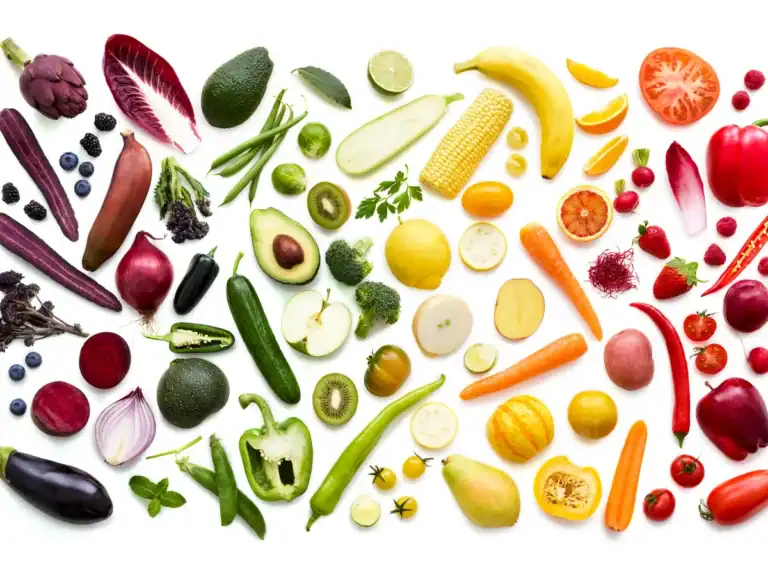
Certain vegetables and fruits with intense colors are also rich in phytonutrients – for example, red tomatoes (lycopene), oranges (flavonoids), beets (betacyanin), or red and purple vegetables providing anthocyanins. Incorporating a variety of colored vegetables and fruits into your daily menu increases the number of potential nutraceuticals in the diet, while simultaneously supporting the functions of many body systems.

What does the process of obtaining nutraceuticals look like?
The process of obtaining nutraceuticals is primarily based on extracting biologically active substances from raw materials (mainly plant-based, but also animal and microbiological), which are then enriched in supplement formulas or functional foods. The key step includes selecting the appropriate raw material, assessing its quality, and optimizing processing conditions to maintain maximum activity and concentration of components crucial for potential health effects.
Extraction of active ingredients
Extraction of active ingredients is a central stage in the production of nutraceuticals, during which substances with biological activity, such as polyphenols, flavonoids, alpha-linolenic acid, or specific glycosides, are isolated from raw materials. Depending on the nature of the compound, various methods are used: extraction with water, ethanol, glycerin, or organic solvents, as well as more advanced techniques, such as supercritical carbon dioxide extraction, ultrasound, or microwave-assisted methods.
The selection of appropriate process parameters, such as temperature, extraction time, pH, the degree of raw material fragmentation, and the type of solvent, plays an important role. These conditions directly affect the efficiency of the extract obtained and the preservation of its biological activity. After extraction, the solution is purified (e.g., filtration, solvent evaporation, lyophilization) to obtain a stable concentrate that can then be incorporated into supplement formulations or other food products.
Market Availability Forms
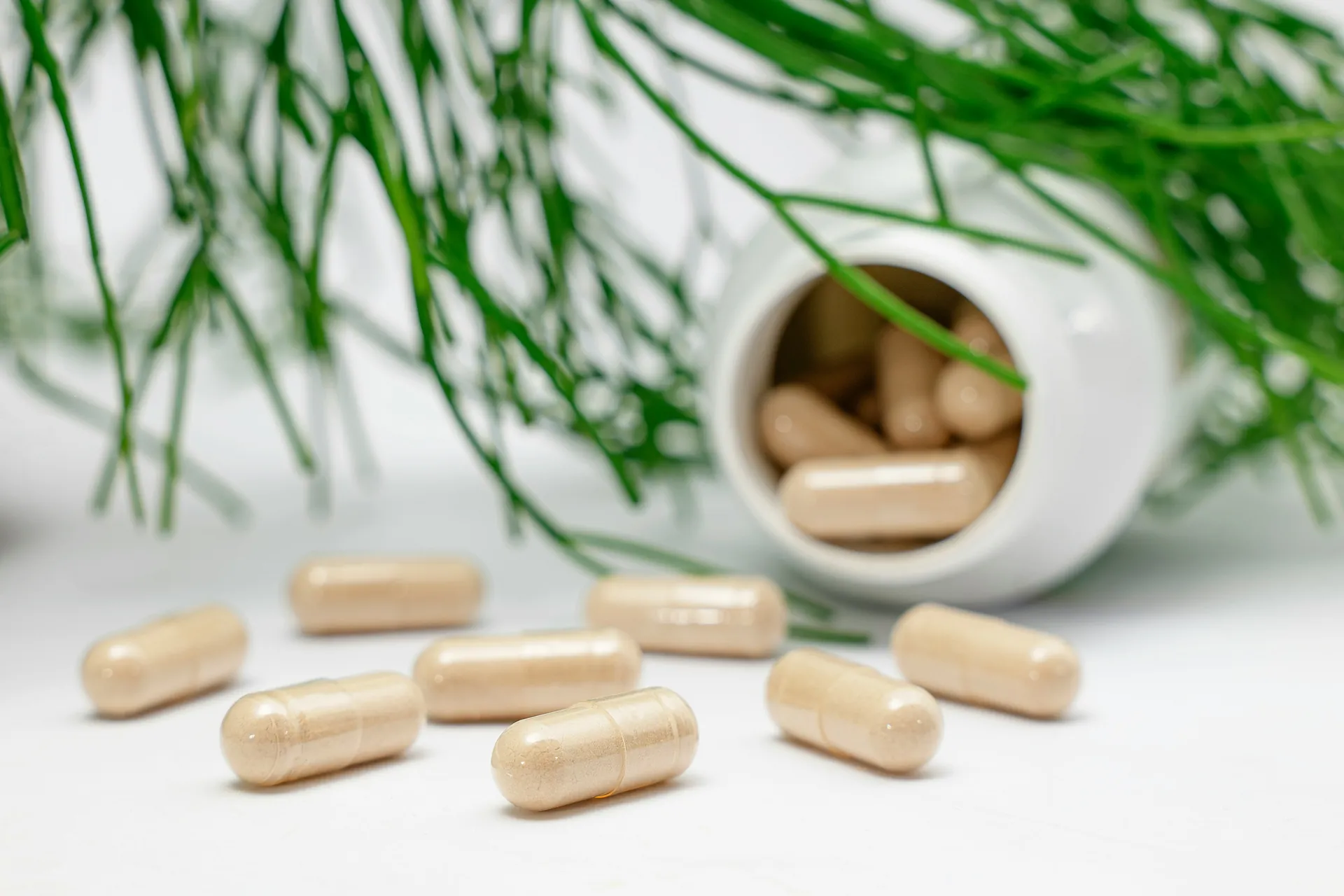
Nutraceuticals are available on the market in many forms, corresponding to different methods of consumption and consumer expectations. The most commonly found are capsules, tablets, and mixing powders, which provide precise dosing and ease of use in daily routine. The liquid form is also common, such as herbal tinctures or concentrates in bottles, especially in the case of herbal extracts.
Beyond “classic” supplements, nutraceuticals also appear in functional foods and drinks, such as yogurts, isotonic drinks, or muesli enriched with probiotics, vitamins, or plant compounds. All these forms are designed to maintain the durability of active ingredients during production and storage, while also aiming for ease of intake and an attractive final form for the user.
Health benefits of nutraceuticals – in which diseases do they assist us?
The modern diet and lifestyle contribute to the increased incidence of many chronic diseases, such as heart diseases, diabetes, or cancer. In this context, nutraceuticals become an important element supporting therapy and prevention. When used in a controlled manner and in accordance with medical recommendations, they can be a valuable addition to standard treatment, influencing key biological processes such as oxidative stress, inflammation, and glucose and lipid metabolism.
Preventing cardiovascular diseases
Cardiovascular diseases, including atherosclerosis, hypertension, or coronary heart disease, are among the major health issues in the modern world. Many studies show that certain nutraceuticals can support the protection of the circulatory system by improving lipid parameters, lowering blood pressure, and protecting endothelial function.
Flavonoids found in cocoa, echinacea, or dark chocolate have been described as compounds capable of increasing nitric oxide (NO) production, leading to vasodilation and improved blood flow. As a result, they may reduce the risk of hypertension and lower levels of modified LDL cholesterol fractions, which inhibits the development of atherosclerosis.
Studies also observed a reduction in platelet activation after regular consumption of flavanol-rich products, which may reduce the risk of clot formation.
Omega-3 fatty acids, particularly EPA and DHA, are another example of nutraceuticals with cardioprotective effects. They support a healthy lipid profile by lowering triglyceride levels and alleviating inflammation in the vessel walls. Their antiarrhythmic properties may also reduce the risk of serious heart rhythm disorders.
However, it is important to take them in appropriate doses and consult with a doctor, especially for those using blood-thinning medications.
Aid in regulating blood sugar levels
The rapid increase in the number of people with type 2 diabetes increases interest in means supporting glycemic control. Nutraceuticals may interact with processes related to insulin sensitivity, hepatic glucose production, and its utilization in muscle tissues.
Berberine, a plant-derived substance, exhibits hypoglycemic and hypolipidemic properties. Studies show that it may improve glycemic status in patients with type 2 diabetes, lowering fasting glucose levels and levels of glycated hemoglobin (HbA1c).
The mechanisms of action include inhibiting gluconeogenesis in the liver and improving insulin function in peripheral tissues.
Supplements containing cinnamon, wheat grass extracts, or omega-3 fatty acids are also discussed in the context of slightly lowering blood glucose levels and improving lipid profiles. It is important to emphasize that nutraceuticals cannot replace insulin-lowering medications or hybrid therapy, and their use should always be agreed upon with a doctor, especially for individuals diagnosed with diabetes.
Reduction of the risk of certain cancers
In recent years, many studies have suggested that some nutraceuticals may play a role in chemoprevention – that is, in the prevention of certain cancers. Their action is mainly associated with anti-inflammatory, antioxidant effects, and also with influencing the cell cycle, apoptosis, and angiogenesis.
Many plant extracts contain phytosterols, polyphenols, unsaturated fatty acids, and vitamins, which can affect processes that stimulate or inhibit cancer development. Polyphenols, such as quercetin or genistein, have been studied in cell line and animal studies, where a reduction in cancer cell proliferation and induction of apoptosis in cancer cells was observed. Their action may concern various types of cancers, including colorectal, breast, or prostate cancer.
Curcumin, the active ingredient in turmeric, is of particular interest due to its anti-inflammatory and antioxidant effects. Clinical studies suggest that it may support patients with cancer by reducing the perceived side effects of chemotherapeutic drug toxicity and improving quality of life. Similar effects have also been described for other polyphenols, such as resveratrol or flavonoids present in black tea or berries.
It should be emphasized, however, that although the data points to the potential of nutraceuticals in the prevention and support of cancer therapy, they are not an effective anticancer drug in a therapeutic sense. Any additional supplements should be used in consultation with an oncologist due to the possibility of interactions with chemotherapy or other medications.
Who can use nutraceuticals, and who should avoid them? Nutraceuticals in dietary supplements
Target groups
Nutraceuticals in the form of dietary supplements may be particularly helpful for individuals whose daily diet does not provide a sufficient amount of specific bioactive components. Target groups include, among others, older adults, who often experience vitamin deficiencies (e.g., D, B12) or mineral deficiencies (calcium, magnesium), as well as pregnant and breastfeeding women, who require a greater supply of folic acid, iron, and omega-3.
Nutraceutical supplements may also be recommended for individuals following restrictive diets, such as veganism or vegetarianism, where the risk of vitamin B12, iron, or zinc deficiency is higher. Increased nutrient requirements are also seen in athletes and individuals engaging in intensive sports, as their increased physical exertion involves a higher expenditure of energy and micronutrients.
The information platform for vegans and vegetarians suggests that nutraceuticals should be considered as a dietary supplement for individuals with intolerances or food allergies, chronic diseases, or those emaciated after serious illnesses, where natural food consumption does not provide full nutritional balance.
Warnings and Contraindications
Despite the potential benefits, the use of nutraceuticals is not without risk. Unauthorised and excessive intake of vitamins and minerals can lead to side effects, and in some cases, even increase the risk of diseases.
For example, in smokers, the use of high doses of beta-carotene increases the risk of lung cancer, which is well-documented in clinical studies.
Individuals using anticoagulant drugs, such as warfarin, should be particularly cautious when taking preparations with coenzyme Q10 or large amounts of vitamin K, as they can affect the effectiveness of therapy. Interactions between nutraceutical ingredients and drugs can also affect anticoagulant, antiepileptic, and immunosuppressive therapies, so any supplementation should be consulted with a doctor or pharmacist.
It is contraindicated to use nutraceuticals in the form of high doses in people with severe chronic diseases, in an acute inflammatory state, or during intensive cancer treatment, unless explicitly recommended by the attending physician. Dietary supplements cannot replace medical treatments, and combining them independently with drug therapy can lead to unforeseen consequences.
People without significant deficiencies confirmed by tests should avoid supplements with high doses of ingredients, just like those who use multiple different preparations at once, without consulting a doctor. One should also be cautious of products advertised as “naturally obvious” or “safe,” because not all natural ingredients are safe in large quantities.
Nutraceuticals and functional foods are two approaches to supporting health through food products, which often cause confusion due to similarities. They are primarily defined by their purpose: preventing diseases and supporting the body’s balance. The key difference? Nutraceuticals are isolated active ingredients, often in the form of supplements, while functional foods are everyday products enriched or with modified structure. Choosing between them, it is worth understanding one’s own needs and always consulting a specialist. Start today to consciously select solutions for your health.
FAQ
Nutraceuticals are substances derived from food (both plant and animal) that exhibit health-promoting effects beyond their nutritional value. They help in preventing diseases and also in their treatment, such as obesity and diabetes. Their action includes regulating metabolism, neutralizing free radicals, antioxidant effects, and improving overall body functions.
Products with the highest nutrient density, similar to nutraceuticals, include almonds (ND 0.97), cherimoya (0.96), and Atlantic cod (ranked at the top by PLOS One). Other examples are chia seeds, pumpkin seeds, and Swiss chard. In the superfoods category, spirulina, chlorella, and kale stand out.
Nutraceuticals are concentrated, biologically active components isolated from foods, such as extracts, that have preventive and therapeutic effects. They often come in the form of supplements. On the other hand, functional foods are conventional food products, like yogurts with probiotics, which contain these components and have a beneficial health effect beyond their nutritional value, which is scientifically confirmed. The main difference lies in the form and concentration of the ingredients.
Nutraceuticals are intended for people with dietary deficiencies, weakened immunity, lifestyle diseases (e.g., atherosclerosis, diabetes), as well as in health prevention and support of skin, hair, and nail condition. To use them safely, it is important to remember a few rules:
Use them as a supplement to a balanced diet.
Consult their use with a doctor in the case of chronic diseases.
Choose proven products with high bioavailability.
Take them regularly, as per the manufacturer’s recommendations.

Anna Świączkowska - a conscious woman who understands that health is not an accident, but an everyday choice. It focuses on prevention and real action instead of waiting for a problem to arise. A certified phytotherapist - she completed specialized studies and numerous specialized courses, thanks to which she combines academic knowledge with a practical approach to working with the body. Her approach is based on understanding nature and using its potential in a conscious and responsible way. Every day, he takes care of the body's balance through conscious nutrition and supplementing his diet with the highest quality supplements. It chooses solutions that are proven, clean and based on natural composition. Independent distributor of Nature's Sunshine products - a brand trusted not only by her, but also by her loved ones. In her home, supplementation and conscious care are not a trend, but a lifestyle. It works based on experience, observation and consistency - because health is built every day, with small decisions that, over time, create real change.