

Stress has many names: there are positive forms of stress. By experiencing stress – this positive form – we maintain cognitive abilities, learning abilities, and self-development. We expand our reservoir of knowledge and skills.
Check out natural products for the nervous system from Nature’s Sunshine!
- Regain control over the stressor in stress
- How do neuroses manifest?
- Depression is a serious problem in the world
- Can a stroke even end in death?
- Multiple sclerosis and its symptoms
- Causes of stress
- Symptoms of Stress
- Stress Mechanisms
- Stress Management
- Stress and Health
- Stress and Lifestyle
- The Role of Adaptogens in Stress Management
- Stress
- FAQ
Regain control over the stressor in stress
Stress must trigger a measurable physiological reaction for third parties. The stress factor (referred to as the stressor) must evoke aversion.
This question explains it perfectly: “If you had the opportunity to weaken or avoid that experience, would you do it?”
A person under stress cannot regain control over the stressor. The greater the loss of control, the stronger the feeling of stress. Short-term stress motivates us to act, and we are capable of greater effort. Long-term stress is harmful to the body. We feel overwhelmed and unable to act.

How do neuroses manifest?
Neuroses – this term can generally refer to all “neurotic disorders”. The primary factor triggering neuroses is too strong an impact of stress.
Symptoms of neurotic disorders may include somatic symptoms:
- physical
- cognitive function disorders (obsessive thinking, motor tics)
- emotional disorders (phobias, apathy).
- Obsessive behaviors, e.g., repeatedly checking if the iron is turned off, if the doors are locked, and many more
Depression is a serious problem in the world
Depression is referred to as mood disorders and is characterized by sadness, an inability to experience joy and pleasure, sleep and wakefulness rhythm disturbances, and a decrease in psychomotor drive.
Depression is currently the fourth most serious health issue in the world – according to data from the World Health Organization. Depression affects about 10% of the population.

Can a stroke even end in death?
If blood flows to the brain in insufficient amounts, it leads to a stroke, which disrupts its functions. The person then experiences headaches, has trouble with vision and hearing, and may experience paralysis. If blood does not reach the brain for an extended period, the stroke can even result in death. A stroke can also cause the rupture of blood vessels in the brain – leading to a destructive hemorrhage of neurons.
Multiple sclerosis and its symptoms
It leads to damage of the white matter of the brain and spinal cord. It usually begins between the ages of 20 and 40, and one of its first symptoms is optic neuritis, which causes a deterioration in visual acuity. Tingling, numbness, and weakness of the limbs, as well as balance disorders, also appear.
Check out natural products for the nervous system from Nature’s Sunshine!
Causes of stress
Dear Reader, the causes of stress are diverse and can originate from both the external environment and our inner selves, affecting the body’s reaction in everyday situations.
External factors
External factors that cause stress primarily include issues at work, such as overload of responsibilities, noise, inadequate lighting, or excessively high temperatures. These factors burden homeostatic mechanisms and raise cortisol levels. Other common stressors include family conflicts, the death of a loved one, job changes, the birth of a child, or social pressure. Even environmental pollution can significantly affect our well-being. These events affect entire groups of people and can lead to high levels of stress on a daily basis.
Internal Factors
Internal factors are related to our personality and cognitive processes. Perfectionism, excessive ambition, external locus of control, or low self-esteem make even small challenges sources of chronic stress. Such traits mediate emotional responses and increase susceptibility to the negative effects of stress.
Symptoms of Stress
Dear Reader, the symptoms of stress manifest on many levels, signaling that the body is not coping with the burden – from physical reactions to changes in behavior. This requires quick coping with the stressful situation.
Physical Symptoms
The physical symptoms of stress primarily include headaches, muscle tension in the neck, shoulders, and jaw, elevated blood pressure, accelerated heart rate, excessive sweating, digestive issues such as diarrhea or indigestion, as well as frequent infections and chronic fatigue resulting from increased cortisol levels.
Emotional Symptoms
On an emotional level, stress manifests as irritability, anxiety, a depressed mood, difficulties with concentration, feelings of sadness, and emotional instability. All of this negatively impacts mental health and daily functioning.
Behavioral Symptoms
Behavioral symptoms include insomnia or excessive sleeping, avoiding social contacts, hyperactivity, chaotic speech, nail-biting, and a decrease in libido. All these symptoms indicate disruptions in coping with stress and may require intervention.
Stress Mechanisms
Dear Reader, the mechanisms of stress are based on a dual response of the body – nervous and hormonal – initiated by a center in the brain that recognizes threats and triggers a natural adaptive response.
Fight or Flight Response
The “fight or flight” response is the immediate activation of the sympathetic nervous system, leading to the release of adrenaline and noradrenaline from the adrenal medulla. This results in an increased heart rate, elevated blood pressure, dilation of pupils, and the release of glucose to the muscles as a natural reaction of the body to a stressor.
Impact of Stress on the Body
Stress affects the body through the hypothalamic-pituitary-adrenal (HPA) axis, where the hypothalamus releases corticotropin-releasing hormone (CRH), stimulating the pituitary gland to produce ACTH, and the adrenal glands to secrete cortisol, the stress hormone. Cortisol mobilizes energy, but with chronic stress it suppresses the immune system and damages the hippocampus.
Stress Management
Dear Reader, effective stress management requires conscious application of coping techniques. These methods help lower stress levels and restore balance – from simple practices to support from natural remedies.
Relaxation Techniques
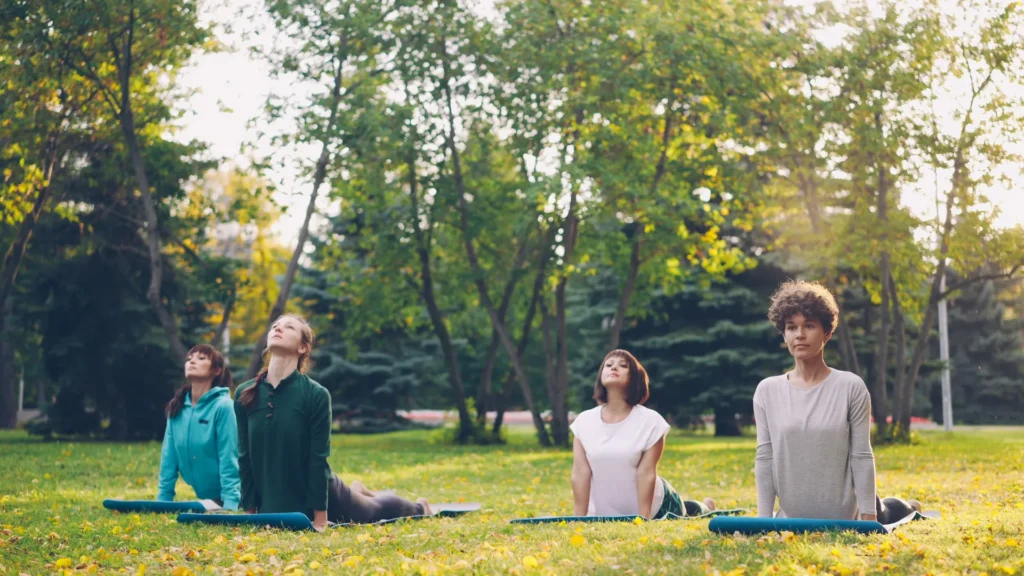
Relaxation techniques include mindfulness meditation, breathing exercises, yoga, tai chi, and Schultz’s autogenic training. Just 5-10 minutes a day of these practices can help calm the mind, regulate emotions, and reduce tension by focusing on breath and body.
Natural Stress Relief Methods
Natural stress relief methods include adaptogens like ashwagandha and Rhodiola rosea, which increase the body’s resilience to stress. It is also worth considering herbs such as lemon balm, valerian, or passionflower, which in the form of infusions support calming the nervous system.
Essential Oils for Stress
Essential oils, especially lavender, chamomile, bergamot, or ylang-ylang, have a relaxing effect through aromatherapy. They influence the limbic system, supporting meditation, baths, or massages, and also improving sleep quality.
Stress Relief Herbal Teas
Stress Relief Herbal Teas contain ingredients such as lemon balm, chamomile, lavender, St. John’s wort, and hop cones. These traditional infusions with calming effects can be consumed regularly to support nervous relaxation and facilitate sleep – without side effects.
Stress, Diet, and Physical Activity
In the fight against stress, physical activity, such as 20-30 minutes of walking, swimming, or yoga every day, lowers cortisol levels and stimulates the production of endorphins. Meanwhile, a dieta rich in fatty fish, nuts, seeds, fermented products, and magnesium supports hormonal balance.
Stress and Health
Dear Reader, stress has a profound impact on health, leading to serious consequences such as heart disease or weakened immunity. When stress becomes chronic, it disrupts the body’s homeostasis.
Impact of Stress on Physical Health
The impact of stress on physical health is primarily manifested in the circulatory system – it can lead to hypertension, chest pain, rapid heartbeat, and an increased risk of heart attack or stroke. The respiratory system also suffers, which may manifest as shortness of breath and exacerbation of asthma. Meanwhile, the digestive system feels the effects of stress in the form of IBS (irritable bowel syndrome) or ulcers.
Impact of Stress on Mental Health
The impact of stress on mental health is equally significant – it can lead to depression, anxiety, sleep disturbances, and memory issues. An excess of cortisol damages the hippocampus and prefrontal cortex, increasing the risk of post-traumatic stress disorder (PTSD) or other forms of traumatic stress.
Stress and Lifestyle
Dear Reader, stress permeates our everyday choices and habits, shaping our lifestyle. Changes in behavior caused by stress can eventually lead to burnout or even addictions.
Stress and Professional Work
In professional work, stress is often a primary cause of burnout, absenteeism, excessive criticism, and a lack of balance between obligations and personal life. These factors often provoke the use of substances such as alcohol or cigarettes, which not only deteriorate health but also decrease efficiency.
Stress and Interpersonal Relationships
Stress negatively affects interpersonal relationships, leading to increased aggression, anxiety, and a loss of empathy. It disrupts the functioning of mirror neurons, which fosters isolation, social phobias, and conflicts. The pessimism induced by stress inhibits an objective assessment of the situation, further deteriorating the quality of relationships.
Stress and Digital Technologies
Digital technologies contribute to increased stress through constant pressure of deadlines, information overload, and living in 24/7 mode. This lifestyle leads to distraction, aggressive behaviors, and sleep disturbances, disrupting emotional balance.
The Role of Adaptogens in Stress Management
Dear Reader, adaptogens are natural plant substances that support the body in coping with stress. They act by regulating the hypothalamic-pituitary-adrenal axis (HPA) and normalizing cortisol levels, which helps restore the body’s balance without causing severe side effects.
Ashwagandha – The Electrolyte of Stress
Ashwagandha, one of the most commonly used adaptogens, exhibits multifaceted actions. It reduces sensitivity to stressors, aids in better adaptation to stress, and enhances the functioning of the nervous system. It does this by regulating neurotransmitter receptors, particularly serotonin and dopamine receptors, which influences the improvement of mood and cognitive abilities.
This plant substance modulates the HPA axis, reducing the excessive production of stress hormones while increasing the levels of stress-fighting hormones. As a result, it supports the body in chronic stress and exhaustion situations. Studies have shown that ashwagandha also has antioxidant properties, protecting the liver from toxins, stimulating the immune system, and increasing resistance to biological, chemical, and physical stress factors.
Stress
Dear Reader, stress is a natural response of the body, but chronic stress brings negative effects – from headaches and hypertension to depression and weakened immunity. Key points: recognize the symptoms of stress, apply stress management techniques such as relaxation and physical activity, and consider adaptogens, for example, ashwagandha.
It’s worth taking action today – start with daily walks, a healthy diet, and relaxation techniques to boost your immunity and protect your mental health. Your decision to cope with stress can change your life for the better. Consult a specialist in Krakow or choose dialectical behavior therapy (DBT) for deeper support.
Take action!
FAQ
Yes, stress is contagious. Watching a stressed individual, even in a recording, causes a rise in cortisol in the observer due to empathetic stress and mirror neurons. The effect is stronger among close ones (40%), but also occurs with strangers (10-26%). A short-term increase is natural, however, chronic stress is harmful.
The three main dimensions of stress are:
Emotional stress – arising from interpersonal conflicts.
Mental stress – caused by cognitive overload and excess information.
Physical stress – triggered by lack of sleep, illness, or intense exertion.
These dimensions differ in sources and the nature of the triggers that provoke them.
No, moderate stress (eustress) can have positive effects. It mobilizes to act, increases motivation and performance. Short-term stress enhances concentration, alertness, and adaptability. It is key for it to be short-term and accompanied by a sense of control and support.
Chronic stress can cause:
Cardiovascular diseases (hypertension, heart attack, stroke).
Mental disorders (depression, anxiety).
Autoimmune diseases (type I diabetes, lupus).
Gastrointestinal issues (irritable bowel syndrome).
Migraines.
Insomnia.
Skin problems.
Reduced immunity.

Conscious man - aware of the value of health and the need to take care of health. I prefer prevention. How do I do it? - conscious supplementation of the daily diet with the best supplements. Independent distributor of Nature's Sunshine products. Both me and my whole family use NSP supplements and cosmetics on a regular basis.


