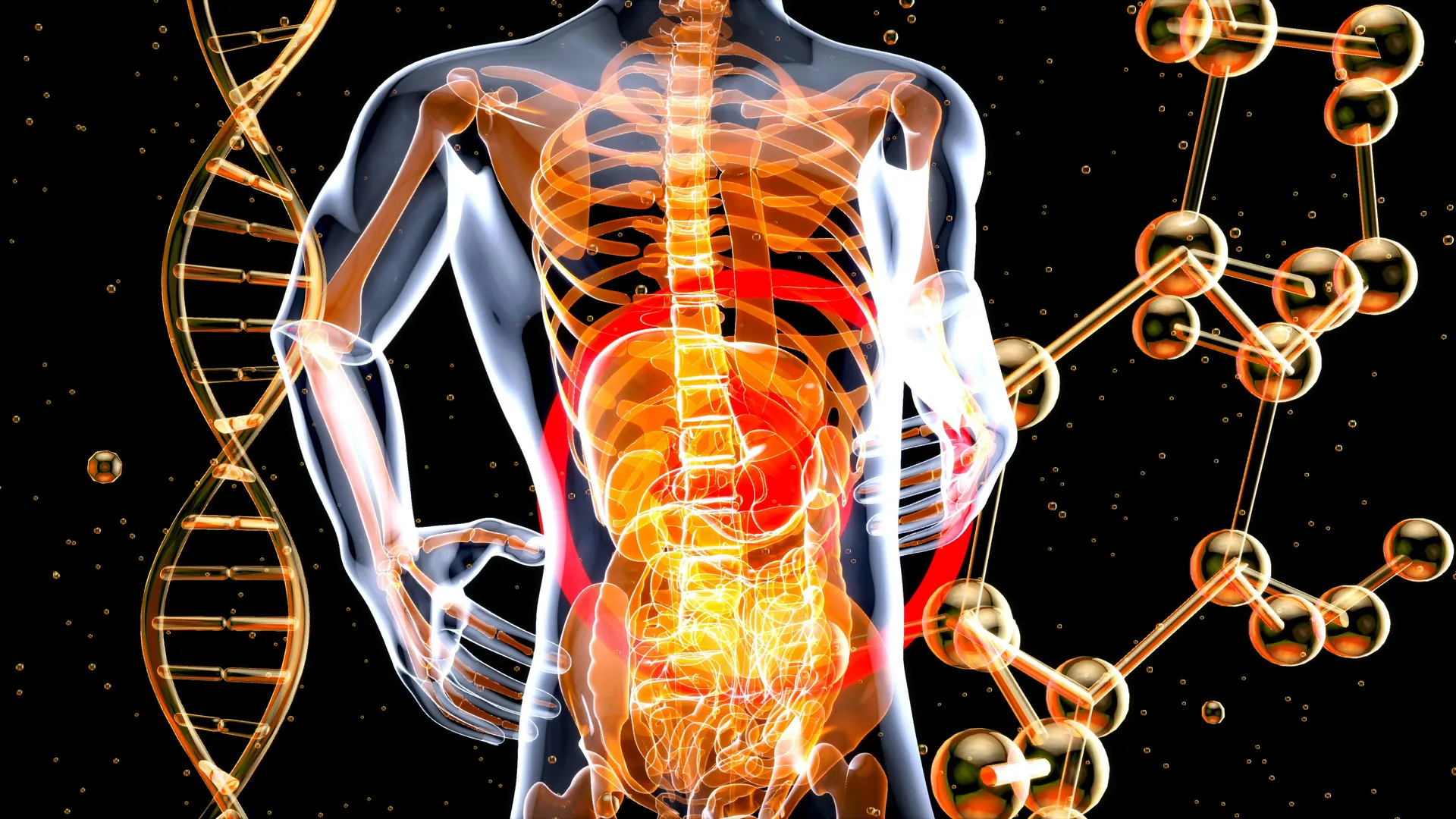
SIBO symptoms can be surprisingly diverse and resemble many other conditions, which makes diagnosis difficult. They most commonly relate to the gastrointestinal system – primarily the small intestine – and manifest as bloating, abdominal pain, indigestion, as well as irregular bowel movements.
At the same time, a portion of patients experience extraintestinal symptoms, such as fatigue, skin issues, or even some neurological symptoms, which further complicates the differentiation of SIBO from other digestive disorders of the gastrointestinal tract.
Symptoms of SIBO that are easy to overlook
Bloating and abdominal discomfort
If you find that your stomach ‘protrudes’ immediately after a meal, and the sensation of gas is frequent and intense, it is worth considering the possibility of small intestinal bacterial overgrowth (SIBO). In the case of SIBO, bacteria that should predominantly occur in the large intestine under normal conditions spread to the small intestine.
These bacteria break down carbohydrates from food, producing gas that causes bloating, gas, and the sensation of a ‘distended’ stomach. Abdominal pain can be mild, but persistent, which often leads to it being downplayed.
Indigestion and frequent feelings of fullness
Patients with SIBO often describe a feeling of fullness even after small meals, sensitivity to heavier foods, or even indigestion after lighter dishes. This is related to a disturbance in the bacterial flora of the small intestine and decreased intestinal peristalsis, which makes it difficult to properly move food contents through the digestive tract.
In people with SIBO, there is often also a feeling of “something gurgling” or “rumbling” in the stomach. This results from excessive bacterial fermentation in the small intestine and the production of gas.
Chronic fatigue unrelated to exertion
One of the symptoms of SIBO that can easily be overlooked is chronic fatigue, unrelated to increased stress or lack of sleep. Energy regulation and metabolism are closely linked to the digestion and absorption of nutrients in the small intestine.
In the case of SIBO, some bacteria “consume” part of the carbohydrates and fats consumed, limiting their availability to the body. This can lead to energy deficiencies, as well as deficiencies in calcium, magnesium, or B vitamins. Additionally, some bacteria produce toxic substances that affect the nervous system, resulting in fatigue and mild weakness.
Changes in bowel rhythm: constipation, diarrhea, or their alternating occurrence
SIBO can cause both diarrhea and constipation, as well as a phenomenon known as “fluctuating stools,” where diarrhea occurs one day and constipation the next. In one type of SIBO, excess bacteria in the small intestine lead to accelerated bowel movements and loose stools, while in another – a slowdown of intestinal movements and difficulties in evacuation.
These changes often resemble the symptoms of irritable bowel syndrome (IBS). For this reason, a diagnosis of “IBS” sometimes appears without a thorough SIBO diagnosis, including breath tests and evaluation of the gastrointestinal tract.
Non-specific skin symptoms
Some patients with SIBO report skin eruptions, such as hives, mixed acne, eczema, or intense redness, even though there is no clear allergic cause. Most studies indicate a correlation between the bacterial flora in the digestive system and skin condition. With disturbed flora, including bacterial overgrowth in the small intestine, there may be increased permeability in the intestines to certain substances, which subsequently affect the immune system and trigger skin reactions.
In clinical studies concerning gastrointestinal diseases, it has been observed that after effective therapy for SIBO (treatment of small intestinal bacterial overgrowth), many skin symptoms significantly decrease or resolve.

What supplements for SIBO?
- Pro B11 and Bacillus Coagulans – contain a mixture of probiotic strains that enrich the gut flora.
- Bowel Build – contains psyllium and ginger, supporting gut health and digestive comfort.
- Loclo – a source of fiber with added turmeric, cinnamon, and rosemary; helps maintain gastrointestinal health and stomach comfort.
- UltraBiome DTX / DTX Basics – formulas supporting the mobility of the digestive tract, cleansing processes, and the reduction of excessive gas. DTX Basics also contains Bacillus coagulans.
Why are SIBO symptoms easy to ignore?
Trivialization of symptoms and attributing them to other, less serious health conditions
Many people experiencing ailments such as bloating, abdominal pain, irregular bowel movements, or fatigue, choose to “resolve” the issue on their own without consulting a specialist. These symptoms are often perceived as a natural consequence of stress, poor diet, trendy “intolerances” to various foods, or the side effects of a “normal” lifestyle.
As a result, patients delay visiting a doctor, trying various home remedies, detoxes, or popular treatment methods, which further reinforces the incorrect diagnosis and postpones the correct identification.
Lack of knowledge about SIBO among patients
Unfortunately, despite the increasing number of studies and information about SIBO, most patients have not heard of this term or associate it only with “a few” cases described online. As a result, they cannot recognize that recurring intestinal ailments may be a symptom of a specific, yet still poorly understood disease. They often classify them as “bad days” or “digestive disorders”.
This lack of awareness means that the first symptoms of SIBO remain unnoticed for months, or even years.
Nonspecificity of symptoms and their similarity to other gastrointestinal disorders
SIBO symptoms, such as bloating, increased abdominal noise, stomach pains, constipation, diarrhea, or fatigue, distinctly resemble many other clinical conditions, including irritable bowel syndrome, gastroesophageal reflux diseases, food intolerances, or even gut stress.
In practice, the diagnosis of “IBS” or “nonspecific digestive disorders” often appears, without further checking whether the person actually has SIBO.
This approach causes the topic to be treated as a condition that one must ‘live with,’ rather than as an illness requiring specialized diagnostics and therapy.
Why does SIBO hinder natural intestinal regeneration?
Disruption of intestinal microbiome balance
Under normal circumstances, the intestinal microbiome consists of a balance of beneficial bacteria and conditionally pathogenic ones that cooperate with each other and with the host organism. In the case of SIBO, this balance is drastically disrupted – an excess of bacteria in the small intestine (and often the invasion of typically fecal or conditionally pathogenic species) suppresses the growth of species that support the regeneration of the mucosal membrane.
Microorganisms responsible for the production of short-chain fatty acids, such as butyric acid, are suppressed or displaced, which means a direct weakening of growth signals for enterocytes (intestinal epithelial cells). The lack of healthy microflora also impairs the synthesis of B vitamins and vitamin K, which play a crucial role in cellular metabolism of the intestines and in maintaining the proper cycle of cell renewal.
Additionally, bacteria that settle in the small intestine during SIBO often compete for nutrients, “taking away” essential amino acids, fats, and carbohydrates from the body, which are the basic building materials for repairing and regenerating damaged intestinal structures. This competition hinders the delivery of energy and materials for the rapidly regenerating epithelial cells, leading to a chronic state of deficiencies and impaired rebuilding of the mucous membrane.
Damage to the intestinal barrier and increased intestinal permeability
SIBO coincides with a deterioration of the integrity of the intestinal barrier, particularly with the weakening of the tight junctions separating the epithelial cells. Bacteria and their metabolic products (including lipopolysaccharides – LPS) can exacerbate this process, undermining the structure of the barrier and leading to a situation where not only macromolecules from food but also pathogens, bacterial toxins, and unprocessed peptides penetrate through the intestinal wall. In this way, SIBO “opens the door” to the phenomenon known as increased intestinal permeability (leaky gut), which impedes proper regeneration, as the immune system is constantly activated and focused on neutralizing threats from the gastrointestinal tract.
The persistent presence of chronic “leakage” of intestinal contents into the submucosal space causes local cellular damage, reduced mucus synthesis, and decreased numbers of detaching cells (goblet cells) as well as enterochromaffin cells. As a result, the mucous membrane becomes denser, more susceptible to mechanical and chemical damage, and its natural ability to self-repair is severely limited. Even after eliminating the direct symptoms of SIBO, such as intestinal colic or bloating, the barrier function may remain impaired at the tissue level, which long-term inhibits complete regeneration.
Chronic inflammatory states and their impact on the digestive system
The persistent overgrowth of bacteria in the small intestine causes chronic activation of the intestinal immune system. The inflammatory state takes on a low-grade and subclinical character, meaning it is not always associated with pronounced, acute pain symptoms, but its effects are continuously active. Pro-inflammatory cytokines, chemokines, and other signaling factors secreted by immune cells in the intestinal wall affect the metabolism of epithelial cells: they accelerate apoptosis (programmed cell death), reduce cell divisions, and disrupt differentiation processes.
This situation is the opposite of what the intestine needs during regeneration – a calm environment in which cells can grow and rebuild damaged structures, rather than dying due to continuous irritation.
Chronic inflammation in SIBO does not limit itself solely to the mucous membrane. It also affects blood vessels, smooth muscle of the intestines, and nerves, thereby impacting peristalsis, microcirculation, and the reception of stimuli in the digestive system. The slowed blood flow through the intestinal wall hinders the delivery of oxygen and nutrients to the cells during recovery, which, synergistically with increased intestinal permeability and microbiome disorders, leads to a condition in which the intestine is unable to effectively regenerate.
Therefore, an effective healing process for intestinal tissues requires not only the reduction of excess bacteria but also the correction of those latent inflammatory processes, which may appear less pronounced at first glance but are crucial for the final return to full function of the digestive system.
How to recognize SIBO?
Paying attention to the characteristic clinical picture
The diagnosis of SIBO is primarily based on a detailed medical history and the assessment of symptoms. The most common complaints include severe bloating, pain or discomfort in the abdominal area, alarming bloating (often after meals), and unstable bowel movements. Many people experience alternating forms of diarrhea and constipation, which can be confused with irritable bowel syndrome.
Some patients also exhibit “extraintestinal” symptoms such as fatigue, muscle aches, low mood, or skin problems. This makes the diagnosis of SIBO require particular attention and precision from the physician.
Differential Diagnosis with Other Gastrointestinal Disorders
Due to the similarity of symptoms, SIBO must be carefully differentiated from other gastrointestinal conditions, such as irritable bowel syndrome, inflammatory bowel diseases, food intolerances (e.g., sensitivity to gluten or histamine), and motility disorders. Accurate diagnosis requires a comprehensive approach, including a detailed medical history, imaging studies, laboratory tests, and – if necessary – specialized tests to exclude other causes of the complaints.
Breath Tests – Key Investigations in SIBO Diagnosis
One of the most commonly used methods to confirm SIBO are breath tests using glucose or lactose. During the test, the patient consumes a specified amount of substrate, and then breathes into a special device. Meanwhile, the concentration of gases (primarily hydrogen and methane) in the exhaled air is measured over a certain period. An early rise in the levels of these gases may indicate excessive bacterial growth in the small intestine.
The interpretation of test results is always associated with clinical symptoms, allowing for a personalized approach to the diagnosis and treatment of the patient.
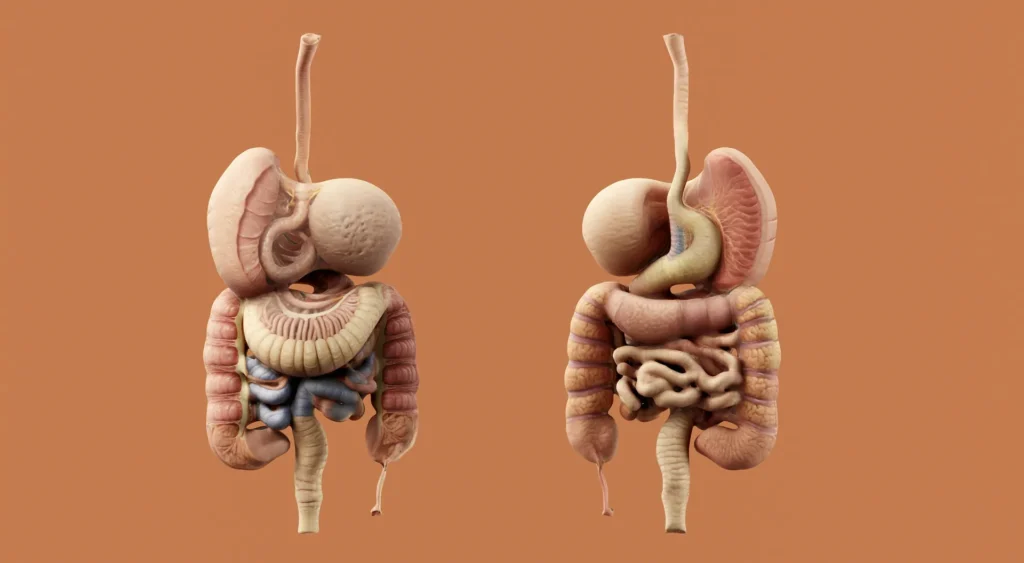
Why Can’t the Intestines Regenerate Themselves When SIBO is Left Untreated?
In the case of untreated SIBO, the self-repair processes of the intestinal mucosa are severely disrupted. The accelerated and improper proliferation of bacteria in the small intestine leads to a lasting “burdening” of the intestinal barrier, which under normal conditions can renew itself within a few days. Constant feeding of excessively numerous bacteria with a chronic surplus of substrates, especially carbohydrates, causes the intestinal epithelial cells to not keep pace with regeneration – often dying faster than they are produced.
Additionally, the accumulated excess of bacteria produces larger quantities of toxins, gases, and short-chain fatty acids, which locally damage the microvilli, increase the permeability of the mucous membrane, and accelerate cell death. In such an environment, natural regeneration mechanisms are weakened – the intestines do not receive rest, cannot effectively “fill in the gaps” in the barrier, and maintain a state of chronic irritation.
The role of diet and lifestyle in hindering natural regeneration
Full renewal of the intestines requires not only the elimination of pathogens but also the provision of favorable conditions through diet and lifestyle. Unfortunately, in practice, many people continue to follow a diet rich in processed carbohydrates, sweets, highly processed products, alcohol, or excessive amounts of caffeine – substances that further burden already fatigued mucous membranes. Such diets hinder regeneration, causing glucose instability in the blood, local inflammatory states, and further stimulation of the microflora, which should not be so numerous there.
Additionally, chronic stress, lack of sleep and insomnia, as well as a sedentary lifestyle, reduce blood flow to the intestines, lower mucus productivity, and disturb hormonal rhythms, without which effective recovery is impossible. Thus, both diet and lifestyle can perpetuate SIBO as a “self-sustaining” condition, bypassing the natural mechanisms of self-cleaning and intestinal repair.
The impact of chronic inflammation and dysbiosis on the self-repair mechanisms of the intestines
Chronic inflammation that accompanies untreated SIBO directly alters the function of the intestinal repair cells. Normally, repair mechanisms involve rapid removal of damaged cells, activation of stem cells, and rebuilding of the barrier structure. Under chronic inflammation conditions, this process is slowed down – the immune system begins to “rebuild” inflammatory cytokines not only against bacteria but also against its own intestinal cells, increasing the risk of tissue damage.
Dysbiosis, on the other hand, disrupts communication between intestinal cells and the microbiome. A lack of “healthy” bacterial flora leads to a deficiency of key mediators, such as active short-chain fatty acids, which normally support mucus production, rebuilding proteins, and inhibiting excessive inflammatory responses. As a result, the intestines lose their natural “healers,” and their ability to self-cleanse and regenerate is drastically limited.
The importance of appropriate diagnosis and treatment for the renewal of the intestinal barrier
Only diagnosing and comprehensive treatment of SIBO allows for the activation of the gut’s “regenerative mode.” Treatment should involve not only reducing the excessive number of bacteria (e.g., through antibiotics or herbal therapies, depending on the individual situation) but also a professional dietary selection, supporting motility, reducing stress, and restoring microbial balance.
This overall approach creates the conditions under which the mucosa can begin to renew itself without the simultaneous burden of toxins and inflammation.
Proper diagnosis is crucial because without identifying the real causes (e.g., peristaltic disorders, stomach insufficiency, low acidity, intestinal surgeries, or chronic stress), treatment of SIBO will merely “clear” symptoms but not eliminate the source of the problem. Precise intervention will enable stable rebuilding of the intestinal barrier, decrease mucosal membrane permeability, and reduce susceptibility to SIBO relapses – which is fundamental for long-term gut health.
Regardless of the stage your business is in, digitization is no longer exclusively an option – it is a real chance for development, increasing efficiency, and maintaining competitiveness. A conscious approach to new technologies, investing in people’s skills, and building an internal culture ready for change is key. Remember: starting costs nothing, so today it’s worth defining a goal, pairing it with a specific strategy, and beginning to monitor the effects continuously. Start with small steps – they will gradually transform your organization. Do not postpone digitization to “later” – learn, test, and act now!
FAQ
Brain fog, mood disturbances, anxiety, depression, insomnia, and peripheral neuropathy are the main neurological symptoms of SIBO. They arise from bacterial toxins and vitamin deficiencies.
These symptoms negatively impact concentration, memory, sleep quality, and overall functioning, exacerbating both mental and physical fatigue.
Vitamin deficiencies in SIBO are due to damage to the intestinal mucosa caused by chronic inflammation. Bacteria “consume” vitamin B12, while undigested fats bind magnesium. These deficiencies in nutrients hinder the regeneration of intestinal villi and the restoration of proper absorption.
Extraintestinal SIBO symptoms that are often ignored include primarily neurological and psychiatric issues, such as brain fog, mood disturbances, headaches, and migraines.
Patients may also experience skin changes, such as nodular erythema and rosacea, joint pain, and difficulties with concentration. In advanced disease, serious symptoms of malnutrition arise, including weight loss, edema, and deficiencies in fat-soluble vitamins, vitamin B12, and iron, which can lead to anemia and neurological disorders.
These symptoms are often non-specific and can easily be attributed to other diseases, delaying proper diagnosis.
SIBO causes brain fog and mood disturbances through the gut-brain axis. Bacterial toxins (LPS) and vitamin deficiencies lead to neuroinflammation.
These neurological symptoms may be mistakenly diagnosed as psychiatric issues instead of being recognized as symptoms of the underlying gastrointestinal disorder.

Conscious man - aware of the value of health and the need to take care of health. I prefer prevention. How do I do it? - conscious supplementation of the daily diet with the best supplements. Independent distributor of Nature's Sunshine products. Both me and my whole family use NSP supplements and cosmetics on a regular basis.