- Ribwort plantain: botanical characteristics
- Chemical composition - rich in bioactive compounds
- Medicinal properties and scientific confirmation
- Occurrence and harvesting of raw materials
- Practical applications and products available on the market
- Safety and contraindications
- Lance Leaf Plantain
- FAQ
- Literature and sources
Ribwort plantain: botanical characteristics
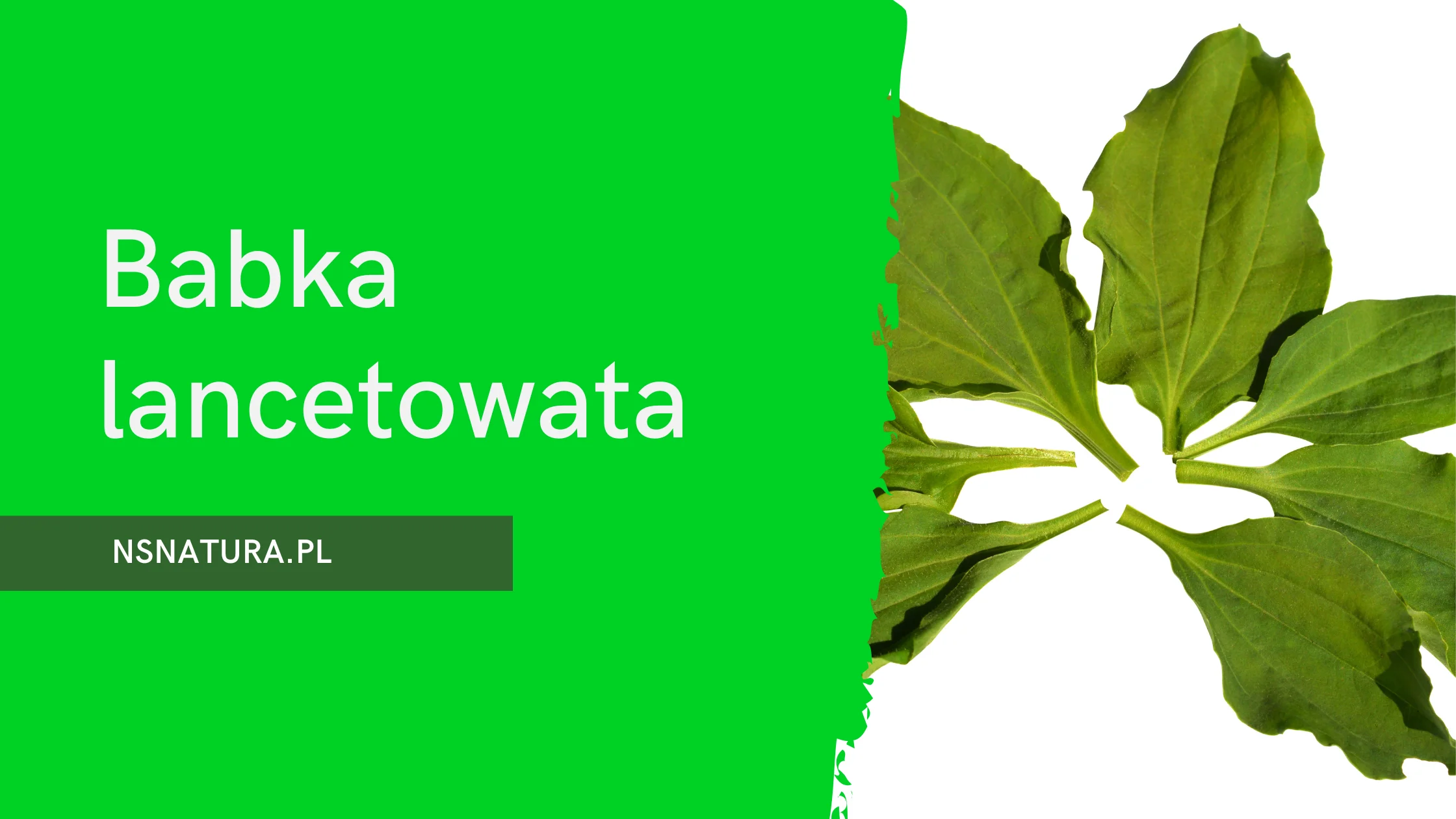
Ribwort plantain (Plantago lanceolata), also known as narrow-leaved plantain or “field tongue”, is a common herbaceous plant that grows wild in meadows, fallow lands, roadside areas, and grassy terrains in many parts of the world – in Europe, Asia, and North America.
The plant belongs to the plantain family (Plantaginaceae). It is characterized by lanceolate leaves forming a ground rosette and long, spiky spikes of small flowers. The medicinal raw material primarily consists of leaves and flowers collected during the growing season.
Common plantain has been regarded as a medicinal herb in folk medicine for centuries, and today its applications are also reflected in scientific research.
Chemical composition – rich in bioactive compounds
Common plantain contains many biologically active substances that explain its wide range of effects:
- Flavonoids – e.g., apigenin, luteolin, which have anti-inflammatory and antioxidant effects.
- Irydoidy – this includes aucubin and catalpol, which have anti-inflammatory and antibacterial effects.
- Plant mucilages – with a protective effect on mucous membranes and skin.
- Tannins and phenolic acids – exhibiting astringent and antioxidant effects.
- Phytosterols – supporting the epidermis and exhibiting anti-inflammatory properties.
Research analyzing the phytochemical profile of this plant has also shown the presence of verbascoside and chlorogenic acid – substances with strong antioxidant potential.
Medicinal properties and scientific confirmation
a) Anti-inflammatory and antioxidant effects
Laboratory studies and scientific reviews confirm that extracts from plantain have significant anti-inflammatory and antioxidant effects, which are related to the presence of flavonoids, iridoids, and phenolic compounds.
For instance, phytochemical analysis and antioxidant tests have shown that preparations from plantain leaves have the ability to neutralize free radicals and protect cells against oxidative stress – a mechanism important in many inflammatory processes and the aging of tissues.
b) Effect on the respiratory and immune systems
Traditionally, plantain has been used for cough, hoarseness, and irritation of the respiratory tract. Some studies suggest that extracts from plantain may have anti-inflammatory and soothing effects on the mucous membranes of the upper respiratory tract, as well as support the immune system.
Its plant mucilage acts like a natural protective layer for the mucous membranes, which explains the traditional use of plantain teas and syrups for throat infections.
c) Support for skin and wound healing
One of the oldest uses is the application of fresh leaves directly on minor cuts, scrapes, and insect bites. This action stems from its antibacterial and anti-inflammatory properties, as well as the presence of mucilages, which create a protective barrier and accelerate the healing of the skin.
Studies on products containing plantain also indicate its potential as an ingredient in ointments and gels for the skin and preparations that support regeneration.
d) Support for circulation and microcirculation of the skin
Plant compounds found in plantain also have properties that support microcirculation, which can be beneficial for swelling and a feeling of heaviness in the legs. Products containing plantain are used externally in the form of gels or compresses to alleviate swelling and improve blood flow in the lower limbs.
Occurrence and harvesting of raw materials
Common plantain occurs widely in temperate climates – in Europe, Northern and Central Asia, and in other parts of the world where the soils are moderately moist or dry.
The herbal raw material consists of leaves and flowers collected during the period of intensive growth; leaves can be dried in the shade or in a low-temperature dryer to preserve their active substances.
Practical applications and products available on the market
a) Forms of application
- Infusion of leaves – for drinking in cases of respiratory tract inflammation or to alleviate irritation.
- Compresses and poultices – fresh leaves crushed or decoction applied directly to cuts and irritations.
- Pharmaceutical preparations and supplements – syrups, herbal teas, and mixtures containing plantain available in pharmacies and herbal stores.
b) Examples of products
On the market, you can find, among others:
- syrups with plantain as a soothing ingredient for the throat;
- herbal teas with plantain, often combined with other herbs supporting the respiratory system;
- ready-made herbal mixtures and extracts for drinking or external use.
Safety and contraindications
Lance leaf plantain is generally well tolerated, but like any vegetable material, it can cause allergic reactions in sensitive individuals.
When taking oral medications, it is advisable to maintain a time interval, because the plant mucus may delay the absorption of substances.
Lance Leaf Plantain
Lance leaf plantain (Plantago lanceolata) is a classic medicinal herb with a wide range of effects – from the respiratory system, through skin and bleeding, to supporting the healing of wounds and microbleeding in the lower limbs. It is a plant that is easy to obtain and use, making it a valuable resource in both traditional medicine and today’s herbal preparations.
FAQ
Lance leaf plantain (Plantago lanceolata), also known as narrow-leaved plantain, is a common herbaceous plant from the plantain family. It is characterized by lance-shaped leaves in a basal rosette and spiky flower spikes. It grows wild in meadows, roadsides, and fallow land in Europe (including Poland), Asia, and North America. The medicinal parts are the leaves and flowers collected during the growing season.
Plantago lanceolata has anti-inflammatory, antioxidant, antibacterial, and protective effects thanks to flavonoids (apigenin, luteolin), iridoids (aucubin), mucilage, tannins, and phytosterols. It supports the respiratory system (for cough and hoarseness), wound healing, skin, and microcirculation of the legs. Studies confirm the neutralization of free radicals and the protection of mucous membranes.
Infusion: Pour 1-2 teaspoons of dried leaves with boiling water, steep for 10 minutes – drink 2-3 times a day for cough or throat inflammation.
Compresses: Crush fresh leaves and apply them to wounds, insect bites, or swelling of the legs.
Syrups and teas: Use ready-made preparations from pharmacies. Always keep a distance from medications.
Yes, it is well tolerated, but it may cause allergies in sensitive individuals. Plantago delays the absorption of medications – drink with an interval of 1-2 hours. Avoid during pregnancy, breastfeeding, or kidney diseases without medical consultation.
Collect young leaves and flowers in spring/summer in clean meadows, away from roads. Dry in the shade or dryer at temperatures up to 35°C to preserve active substances.
Literature and sources
- Samuelsen, A. B. (2000). “The traditional and modern uses of Plantago species – a review. Journal of Ethnopharmacology, 71(1-2), 1-21. PubMed. A review of traditional and scientific applications of Plantago.
- Beara, I. N. et al. (2010). “Antioxidant and antimicrobial activity of Plantago lanceolata L. extracts. Central European Journal of Biology, 5(6), 835-841. Phytochemical and antioxidant studies of Plantago leaves.
- Zawadzki, W. et al. (2013). “Pharmacological activity of Plantago lanceolata L. – a review. Acta Societatis Botanicorum Poloniae, 82(4), 341-349. Confirmation of anti-inflammatory activity and effects on the respiratory system.
- European Medicines Agency (EMA). (2011). “Assessment report on Plantago lanceolata L., folium. EMA/HMPC/467169/2010. EMA. Official EMA report on safety and uses.

Anna Świączkowska - a conscious woman who understands that health is not an accident, but an everyday choice. It focuses on prevention and real action instead of waiting for a problem to arise. A certified phytotherapist - she completed specialized studies and numerous specialized courses, thanks to which she combines academic knowledge with a practical approach to working with the body. Her approach is based on understanding nature and using its potential in a conscious and responsible way. Every day, he takes care of the body's balance through conscious nutrition and supplementing his diet with the highest quality supplements. It chooses solutions that are proven, clean and based on natural composition. Independent distributor of Nature's Sunshine products - a brand trusted not only by her, but also by her loved ones. In her home, supplementation and conscious care are not a trend, but a lifestyle. It works based on experience, observation and consistency - because health is built every day, with small decisions that, over time, create real change.