The human digestive system is a complex system of organs responsible for digestion and absorption of nutrients from food. It consists of the digestive tract – a long tube measuring about 8-12 meters, extending from the mouth to the anus – as well as digestive glands, such as salivary glands, liver, and pancreas. These glands play a crucial role in supporting digestive processes.
- Understanding the digestive system
- Diseases of the digestive system
- Natural Supplementation Methods to Support the Digestive System
- Dietary support in gastrointestinal diseases
- The role of research and diagnostics in diagnosing gastrointestinal diseases
- Digestive system - how to care for it naturally
- Well-nourished digestive system
- Digestive system diseases - how to prevent them?
- FAQ
Understanding the digestive system
Basic functions and significance
Dear Reader, let’s take a moment to ponder how the digestive system supports our daily functioning. Its primary role is the mechanical and chemical processing of food, enabling digestion and the absorption of nutrients such as proteins, fats, carbohydrates, vitamins, and minerals.
Thanks to the peristaltic movements of the muscles of the digestive tract, food smoothly moves from the mouth through the throat, esophagus, stomach, small intestine, and large intestine, until the waste is expelled.
The significance of the digestive system goes beyond just digestion – it also regulates metabolism and supports the entire body, collaborating with the central nervous system. Without its proper functioning, we wouldn’t have access to energy from our daily food, which highlights how crucial the human digestive tract is in maintaining health.
Structure of the system – key elements
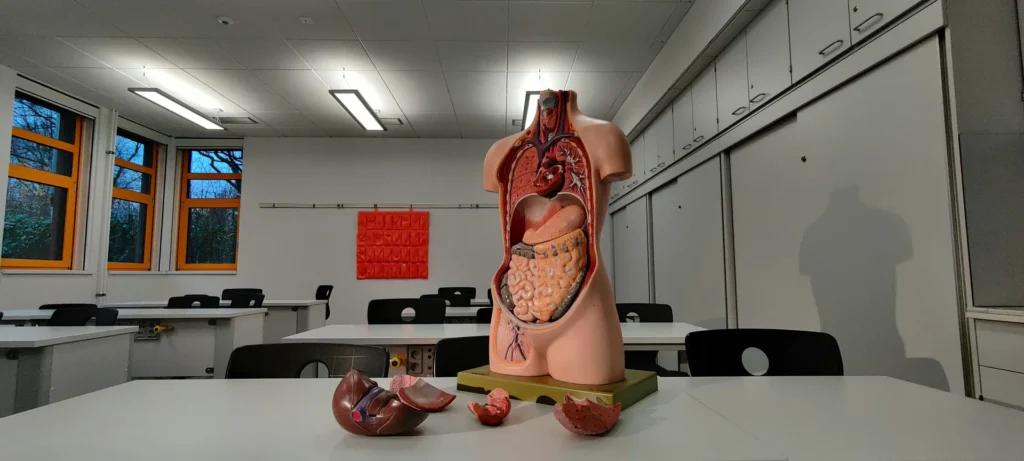
The structure of the human digestive system is based on the digestive tract, divided into several sections with varying structures. It begins at the mouth, where initial food breakdown occurs, through the throat and esophagus, until the stomach – a muscular pouch with a mucous membrane that produces hydrochloric acid and gastric juice with digestive enzymes.
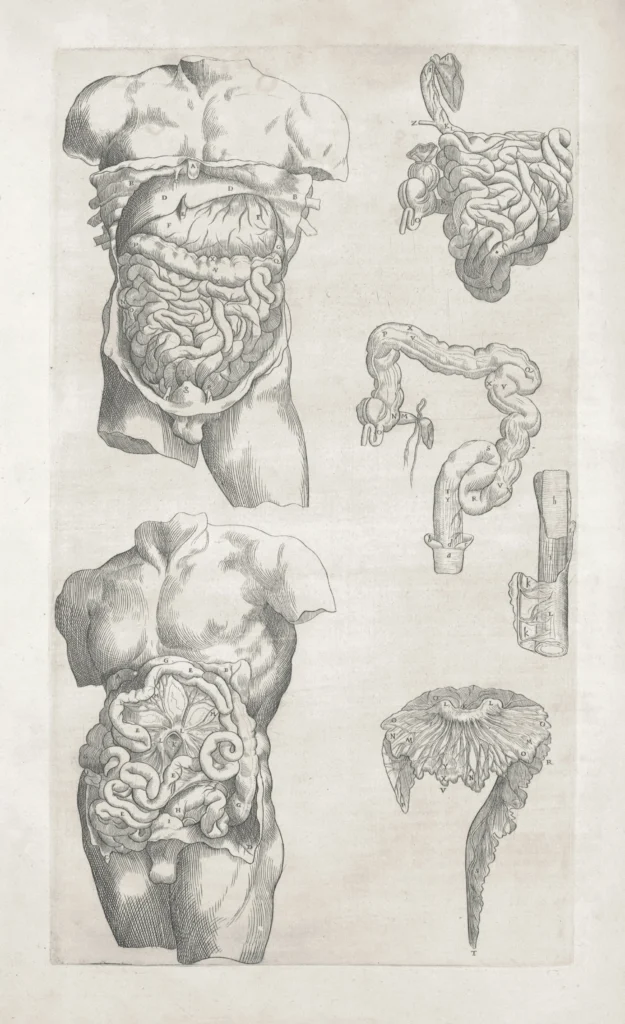
Other key elements include the small intestine (including the duodenum, jejunum, and ileum) – the longest segment of the digestive tract at 6 meters, responsible for major digestion and absorption of nutrients – and the large intestine, which absorbs water and forms stool. The walls of these organs are made up of a mucous membrane, muscle tissue with circular and longitudinal layers, and serosa. All of this is supported by digestive glands supplying digestive enzymes.
Understanding this structure allows appreciation of how precisely the digestive tract functions, enabling dissolution and absorption of nutrients at every section.
Diseases of the digestive system
Gastroesophageal reflux
Dear Reader, gastroesophageal reflux is a chronic condition in which acidic contents of the stomach backflow into the esophagus. It manifests as heartburn – a burning sensation behind the sternum, acid regurgitation, sore throat, or discomfort in the chest.
Untreated reflux can lead to esophagitis or ulcers. Treatment includes proton pump inhibitors such as omeprazole or pantoprazole, antacids, and lifestyle modifications, such as avoiding large meals before bedtime.
Inflammatory bowel disease – Crohn’s disease and ulcerative colitis
Crohn’s disease and ulcerative colitis are classified as inflammatory bowel diseases. They attack the mucous membrane of the small or large intestine, causing diarrhea, abdominal pain, bleeding, and weight loss.
Crohn’s disease can encompass the entire digestive tract, creating fistulas, while ulcerative colitis focuses on the large intestine. Therapy is based on immunosuppressive and biological medications, and sometimes requires bowel resection.
Irritable Bowel Syndrome (IBS)
Irritable Bowel Syndrome, also known as IBS, is characterized by intestinal cramps, bloating, variable stool consistency, and abdominal pain. Importantly, no visible organic changes are found in the intestines.
Factors such as stress or diet can trigger symptoms. Managing the condition includes using probiotics, a low-FODMAP diet, and antispasmodics, with an emphasis on stress reduction to improve quality of life.
Food Intolerances and Allergies
Food intolerances, such as lactose or gluten intolerance, cause digestive discomfort after consuming certain ingredients. They manifest as bloating, diarrhea, or abdominal pain. In contrast, allergies trigger immune responses such as rashes or even anaphylaxis.
Diagnosing intolerance requires conducting tests. Treatment involves eliminating triggers from the diet, and in the case of intolerance, it can be aided by digestive enzymes.
Gastrointestinal Cancer
Cancer of the gastrointestinal tract, including conditions such as stomach, colon, or esophageal cancer, most often develops from polyps or chronic inflammatory conditions. It may manifest as bleeding, weight loss, and changes in stool, which should alert the patient.
Early diagnosis, for example through colonoscopy or gastroscopy, allows for quick action, including surgical removal of lesions and chemotherapy. Such an approach significantly improves the patient’s prognosis.
Natural Supplementation Methods to Support the Digestive System
Probiotics and Prebiotics
Dear Reader, probiotics are live microorganisms, such as strains of Lactobacillus or Bifidobacterium, that colonize the intestines, restoring microbial balance and supporting digestion and immunity.
Prebiotics, such as inulin or fructooligosaccharides, serve as their food, stimulating the growth of beneficial bacteria, regulating bowel movements, and reducing constipation. The recommended dosage is 2.5-10 g daily from food or supplements.
Herbs Supporting Digestion
Herbs like mint, chamomile, or fennel soothe intestinal cramps, stimulate the secretion of digestive juices, and reduce bloating, making them an ideal choice after heavy meals.
Garlic and ginger have anti-inflammatory and antibacterial properties, supporting the microbiota in both the large and small intestines.
Supplements Supporting the Restoration of Gut Microflora
Digestive enzymes, such as proteases or lipases, facilitate the breakdown of proteins, fats, and carbohydrates, which is especially beneficial after antibiotic treatment or in cases of dysbiosis.
Glutamine regenerates the intestinal epithelium, strengthening the intestinal barrier and accelerating the restoration of flora after various disturbances.
Bee Products as Natural Supplements
Propolis and bee pollen protect the mucous membrane of the digestive tract, acting antibacterial and anti-inflammatory, while also supporting the treatment of infections such as Helicobacter pylori.
Royal jelly provides bioactive nutrients, improving peristalsis and the overall condition of the digestive system.
Supplements that increase food tolerance
Soluble fiber effectively regulates bowel function, which helps reduce symptoms of intolerance and supports the absorption of essential nutrients.
Synbiotics, a combination of probiotics and prebiotics, enhance tolerance to hard-to-digest foods. They improve the digestion process and minimize the risk of allergic reactions.
Dietary support in gastrointestinal diseases
The role of diet in treating gastrointestinal diseases
Dear Reader, diet plays a crucial role in alleviating symptoms and supporting pharmacotherapy. Adjusting macronutrient intake – e.g. 50-60% of energy from carbohydrates, 10-15% from proteins, and 25-30% from fats – can help reduce gastric acid secretion and support tissue regeneration.
A high fiber intake reduces the risk of ulcers, and proper hydration – 1.5-2 liters of fluids daily – helps prevent dehydration, especially during diarrhea.
Low-residue and easily digestible diet
The low-residue diet, also known as a low-fiber diet, limits the intake of fiber from whole grain products, legumes, raw vegetables, and bran. Preferred products include white rice, wheat bread, cooked potatoes, carrots, and pumpkin.
The easily digestible diet eliminates fatty, fried, and salty foods, as well as coffee, alcohol, and carbonated beverages. Instead, light dishes are recommended, such as oatmeal in water, rice soups, bananas, or steamed omelets, which are gentler on the digestive system.
Gluten-free diet and other elimination diets
The gluten-free diet is the only therapy for celiac disease, requiring the exclusion of wheat, barley, and rye. Alternatives include products such as millet, rice, quinoa, seeds, and nuts, which help prevent deficiencies in vitamins B, D, calcium, or iron.
The low FODMAP diet restricts fermentable sugars, such as fructose found in onions, garlic, or pears. It is used in IBS (irritable bowel syndrome) to reduce bloating and stomach pains.
The role of research and diagnostics in diagnosing gastrointestinal diseases
Basic diagnostic tests
Dear Reader, basic diagnostic investigations begin with medical history and a physical examination of the abdomen. They are supplemented by laboratory blood analyses, such as blood count, inflammatory markers (e.g., CRP), liver tests (ALT, AST, GGT), pancreatic enzymes (amylase, lipase), and bilirubin. Additionally, fecal tests are conducted to check for the presence of hidden blood, calprotectin, or parasites, such as Giardia lamblia.
Non-invasive tests, such as urea breath test for Helicobacter pylori, and X-ray examinations of the abdomen in cases of suspected perforation or obstruction, allow for a quick assessment of the patient’s condition.
Modern diagnostic methods and their significance
Gastroscopy allows for visualization of the upper gastrointestinal tract, enabling biopsy, while colonoscopy examines the large intestine, allowing for the removal of polyps and early detection of cancerous changes.
Ultrasound (USG) evaluates solid organs, such as the liver and pancreas, while computed tomography (CT) and magnetic resonance imaging (MRI) provide detailed images of peritoneal structures. Endoscopic retrograde cholangiopancreatography (ERCP) examines the bile ducts, while capsule endoscopy revolutionizes the diagnosis of the small intestine, particularly in cases of Crohn’s disease or bleeding.
Digestive system – how to care for it naturally
Dear Reader, the digestive system requires careful attention – understanding its structure, early detection of diseases such as reflux or IBS, supporting it with probiotics, herbs, and an elimination diet, as well as modern diagnostics, are the keys to health. Remember: regular check-ups, balanced nutrition, and natural supplementation prevent complications such as gastrointestinal cancer.
Take care of your digestive tract today – consult a doctor, adopt healthy habits, and monitor symptoms. A healthy digestive system is fundamental for vitality – act now for a better tomorrow!
Well-nourished digestive system
Nutrition is crucial for the functioning of our bodies. Diseases of the digestive system are not easy to deal with. What we eat, as well as how we eat, influences most life processes. A varied and balanced diet is key to maintaining health, and nutrition itself is necessary for energy acquisition.
The digestive system is the longest system in the human body. Before food can become energy, it must go through a long journey. The body cannot directly utilize food; thus, it undergoes many mechanical transformations (e.g., chewing) and chemical changes (e.g., food breakdown under the influence of digestive juices).
The functioning of the digestive system is very complex. In brief, it can be divided into three stages: digestion, which occurs in the stomach, absorption of nutrients, which is the role of the small intestine, and processing of waste food into stool, which takes place in the large intestine.
Poor functioning of one of the elements leads to dysfunction of the entire system. Its inadequate operation can manifest as complaints such as indigestion, and consequently lead to serious diseases like cancer.
Check out natural products for the digestive system from Nature’s Sunshine!
Digestive system diseases – how to prevent them?

Food allergy
A set of symptoms occurring in the body as a result of consuming food, where the ailments are conditioned by immune mechanisms. Allergic reactions occur only in a certain group and can appear even after consuming a small amount of food.
Anemia (deficiency of red blood cells)
gastrointestinal disease manifested by insufficient amounts of hemoglobin and erythrocytes in the blood. It causes inadequate oxygen supply to the cells. It may be caused by genetic, environmental, or dietary factors.
The main cause of avitaminosis is an inadequate diet. Properly balanced meals provide the body with the right amounts of vitamins, microelements, and nutrients:
– vitamin A – “night blindness” or “retinal degeneration,” weakened immune system, changes in the cornea, deterioration of hair and nail condition, dry eye syndrome
– vitamin D – rickets in children, increased risk of autoimmune diseases such as type II diabetes, a lack of vitamin D may play a role in the incidence of certain cancers such as colon cancer
– vitamin E – deteriorating skin condition, concentration problems, negative impact on fertility
– vitamin K – disturbances in bone mineralization, osteoporosis, clotting disorders
– vitamin C – scurvy (weakness and bleeding gums and tooth loss), fragility and rupture of vessels
– vitamin B12 – anemia
Irritable bowel syndrome
Irritable bowel syndrome is a chronic gastrointestinal condition that affects the small and large intestines, manifesting as abdominal pain and disturbances in bowel movements: diarrhea or constipation. Symptoms often include bloating, heartburn, gas, and abdominal discomfort. Chronic intestinal ailments negatively affect the mental state of patients and disrupt proper nutrition. Approximately 20% of the population suffers from irritable bowel syndrome. The condition is seen in women twice as often.
Peptic ulcer disease (ulcers)
This is characterized by a localized loss of the mucosal membrane in the stomach or duodenum, due to impairment of the mucosal defense mechanism against the action of gastric acid.

Celiac disease (gluten sensitivity)
Sensitivity to gliadin – a protein found in wheat and rye grains and their products. It causes intestinal damage, absorption disorders and malnutrition. People with celiac disease must use special gluten-free products.
Diabetes
This is a metabolic disease of the gastrointestinal system exhibited by disturbances in regulation of blood glucose levels and its use by tissues. It can be caused by a lack of insulin (type I diabetes – insulin-dependent) or tissue resistance to its action (type II diabetes – non-insulin-dependent).
Hypercholesterolemia
Elevated cholesterol levels in the blood serum, considered a risk factor for coronary heart disease.
Atherosclerosis
Chronic gastrointestinal disease characterized by the accumulation of cholesterol and other lipids in the inner membrane of arteries (mainly the aorta and cerebral arteries). This leads to vascular diseases, strokes, aneurysms, and heart attacks.
Liver Diseases
The liver is responsible for the production of bile, which is necessary for digestion. It helps detoxify the body from toxins: drugs and alcohol. It is responsible for proper hormonal balance, stores iron and some vitamins. There are many liver diseases: viral hepatitis types A, B, C, liver cirrhosis, fungal liver infections, and fatty liver.
Check out natural products for the digestive system from Nature’s Sunshine!
FAQ
The best natural supplements that support the gut microbiome in digestive system diseases are:
Probiotics (yogurt, sauerkraut, kefir)
Prebiotic fiber (onion, garlic, bananas, chicory, oats)
Sodium butyrate (regulates gut flora, helps with IBS)
Herbs (calendula, marshmallow)
These ingredients improve the balance of bacteria in the intestines and alleviate inflammation.
Herbs such as peppermint, fennel, and chamomile contain active substances, such as essential oils and flavonoids. They act relaxingly on the intestinal muscles, reduce bloating, and support the secretion of digestive enzymes.
As a result, they accelerate digestive processes, alleviate stomach pain, and symptoms of indigestion.
Glutamine reduces intestinal permeability and alleviates symptoms of irritable bowel syndrome, especially at a dose of 15 g per day in conjunction with a low FODMAP diet. Aloe has anti-inflammatory properties and supports the regeneration of the intestinal mucosa.
The combination of both ingredients reduced symptoms by 45% in 88% of patients.
Start with blood tests to identify any deficiencies. Introduce supplements gradually, one at a time, at intervals of 2-3 weeks:
Week 1: vitamin D3
Week 2: magnesium
Week 3: omega-3
Remember to take them at the appropriate times and adhere to recommended doses. Include fiber, vegetables, and probiotics in your diet to enhance the effects of supplementation.

Conscious man - aware of the value of health and the need to take care of health. I prefer prevention. How do I do it? - conscious supplementation of the daily diet with the best supplements. Independent distributor of Nature's Sunshine products. Both me and my whole family use NSP supplements and cosmetics on a regular basis.