Common nettle (Urtica dioica L.) is a plant that probably everyone knows – mainly because it can “sting” upon touch. However, this common weed is one of the most valuable herbs used in herbal medicine and dietetics. For centuries, it has been used both in traditional medicine and in modern health practices. Nettle grows wild almost throughout Europe, including in Poland, and its leaves and root have many health-promoting applications.
- Botanical description and plant characteristics
- Chemical composition and nutritional values
- Common nettle in Nature’s Sunshine supplements
- Health applications of nettle
- How to use nettle – preparation forms
- Safety and Contraindications
- Nettle in the Kitchen – Practical Inspirations
- Summary
- FAQ
- Polish literature and sources
Botanical description and plant characteristics
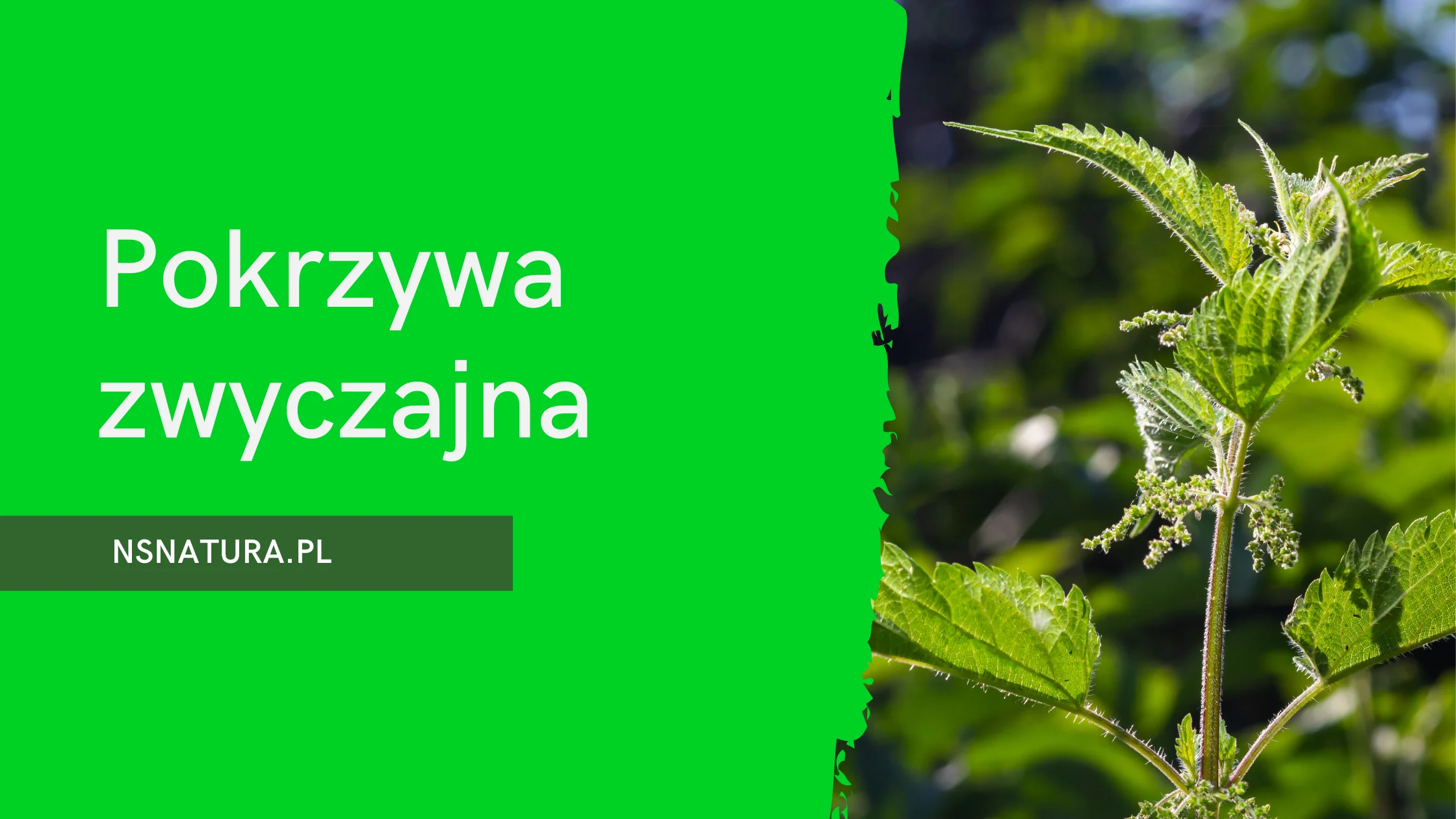
Common nettle belongs to the nettle family (Urticaceae). It is a perennial plant, reaching even over a meter in height. Its stems and leaves are covered with stinging hairs that, upon contact with the skin, release irritating substances such as histamine or acetylcholine.
Despite its unpleasant property for some, nettle is a plant rich in nutrients – vitamins (A, C, K, B group vitamins), minerals (especially iron, calcium, magnesium, potassium), flavonoids, phytosterols, and phenolic acids.
Chemical composition and nutritional values
Nettle is exceptionally rich in bioactive substances:
- Vitamins and minerals – nettle leaves are a valuable source of vitamin C, carotenoids, and vitamin K, as well as elements such as iron, calcium, and potassium.
- Flavonoids and polyphenols – they act as antioxidants and anti-inflammatories, supporting the protection of cells against oxidative stress.
- Phytosterols – such as beta-sitosterol, support prostate health and participate in the regulation of hormonal balance.
- Linoleic acid and other fatty acids – have anti-inflammatory effects and support skin cell health.
Thanks to this, nettle was traditionally used as a “strengthener” and energy booster, and its leaves were a precious component of folk diets, especially in the spring.
Common nettle in Nature’s Sunshine supplements
- Blood Pressurex – nettle extract is listed among its key ingredients.
Health applications of nettle
1. Urinary system support
Nettle has natural diuretic and detoxifying effects, which means it can help remove excess water and toxins from the body. This is one of the reasons why nettle tea is popular for swelling and body cleansing.
2. Anti-inflammatory and antioxidant effects
The bioactive components of nettle exhibit anti-inflammatory and antioxidant effects, which may support cardiovascular health and protect cells from damage by free radicals.
3. Skin, hair, and nail health
Traditionally, nettle is used externally or internally to improve the condition of the skin and hair. Nettle infusions or rinses may have a soothing effect on the scalp, and its minerals and vitamins support hair and nails.
4. Immune system support
The abundance of vitamin C and other bioactive components promotes natural support for the body’s immunity, especially in periods of increased illness.
5. Impact on metabolism and sugar levels
Some studies suggest that nettle may have a beneficial effect on regulating blood glucose levels and lipid metabolism, although these mechanisms require further scientific study.
How to use nettle – preparation forms
Nettle can be used in many ways – both in the kitchen and in natural medicine:
- Nettle tea: dried or fresh leaves steeped in boiling water – one of the most popular forms of consumption.
- Root infusion: has stronger detoxifying and metabolism-supporting effects.
- Juice or drink: can be made from young nettle leaves.
- Food supplement: young leaves are great in soups, pesto, salads, or smoothies after proper blanching.
- Rinses and cosmetics: nettle infusions used externally help in the care of hair and skin.
Example Nettle Infusion
- 1–2 tablespoons of dried nettle leaves
- 250 ml of boiling water
- Infuse for 10–15 minutes
- Drink 1–2 times a day
This is a simple and effective way to regularly support the health of the urinary and digestive systems.
Safety and Contraindications
Nettle is considered a safe herb, but people taking diuretics, anticoagulants, or those with kidney and liver diseases should consult the use of nettle with a doctor. Also, pregnant and breastfeeding women should seek specialist advice before regular use of nettle infusions or supplements.
Nettle in the Kitchen – Practical Inspirations
Nettle is not only tea. Its young leaves can be used as:
- Soup and cream additives – e.g., nettle soup
- Nettle pesto – instead of basil
- Smoothies or green juices – rich in vitamins and minerals
- Fillings for dumplings and pancakes
Thanks to this, we can naturally enrich the diet with nutritious plants that grow practically everywhere in Polish conditions.
Summary
Common nettle is a plant with a wide range of positive health properties. From detoxifying and diuretic effects, through immune support, to cosmetic applications – nettle is one of the most valuable herbs in phytotherapy. Its ubiquity and ease of collection make it worth appreciating not only as a “weed” but as a valuable component of a healthy lifestyle.
FAQ
Nettle is one of the best-known herbs in phytotherapy. Its action – particularly in the context of the urinary system, skin, and general body strengthening – has been confirmed both in tradition and in research. It’s not a trend, but a proven tool.
Yes, but balance is key. It is most commonly used in cycles – e.g., a few weeks of use and a break. The body likes rhythm, not constant overload, even with something good.
The initial effects, such as slight relief to the body or improved digestion, may appear after a few days. Noticeable improvement in skin, hair, or overall energy typically requires a few weeks of regular use.
Yes – both used internally and externally. Thanks to the content of minerals and active compounds, it supports skin condition and strengthens hair. Rinses and infusions are one of the simplest and most effective forms.
Yes, but it’s important to understand it correctly. Nettle supports natural detoxification processes – mainly through its diuretic effect and support of the excretory system. It doesn’t ‘cleanse’ magically, but rather helps the body to do what it already knows.
There are studies indicating such potential, particularly in the context of glucose and lipid metabolism. However, it is not a medication – rather an element of support that works in conjunction with diet and lifestyle.
Yes – and this is one of its greatest advantages. However, it should be collected in clean areas, away from roads and pollution. The best are young leaves collected in spring.
The stinging results from the presence of substances like histamine in its hairs. After steaming or drying, this property disappears, but the nutritional and health benefits remain.
Not entirely. People with kidney diseases, taking diuretic or anticoagulant medications, and pregnant women should consult its use. It’s a natural herb, but it still has effects.
Yes – often works even better in combinations, e.g., with dandelion, horsetail, or pansy. The key is conscious combining, not randomly mixing everything at once.
Polish literature and sources
- Jakubczyk K., Janda K., Szkyrpan S., Gutowska I., Wolska J.
Stinging nettle (Urtica dioica L.) – botanical characteristics, biochemical composition and health benefits.
A review article discussing the phytochemical and health properties of nettle – with Polish references and traditional literature. - Lexicon of medicinal plants – ed. A. Rumińska, A. Ożarowski, PWRiL, Warsaw 1990.
A classic Polish lexicon with descriptions of medicinal plants, including nettle. - Nowiński M. – History of cultivation and medicinal plants. PWRiL, Warsaw 1983.
The history of medicinal plants used in Poland, including nettle. - Nartowska J.
Common nettle. “Panacea”, 2007, No. 3 (20), pp. 6–9 – a popular science article about the properties of nettle. - Common nettle – medicinal properties – DOZ.pl portal – an overview of the properties and applications of nettle in natural medicine.

Anna Świączkowska - a conscious woman who understands that health is not an accident, but an everyday choice. It focuses on prevention and real action instead of waiting for a problem to arise. A certified phytotherapist - she completed specialized studies and numerous specialized courses, thanks to which she combines academic knowledge with a practical approach to working with the body. Her approach is based on understanding nature and using its potential in a conscious and responsible way. Every day, he takes care of the body's balance through conscious nutrition and supplementing his diet with the highest quality supplements. It chooses solutions that are proven, clean and based on natural composition. Independent distributor of Nature's Sunshine products - a brand trusted not only by her, but also by her loved ones. In her home, supplementation and conscious care are not a trend, but a lifestyle. It works based on experience, observation and consistency - because health is built every day, with small decisions that, over time, create real change.