- The Power of Foods in Fighting Inflammation
- Basics of an anti-inflammatory diet
- Recommended natural supplements for an anti-inflammatory diet:
- Best anti-inflammatory products
- What should be avoided in an anti-inflammatory diet?
- The Mediterranean diet as a model of an anti-inflammatory diet
- Vegan and vegetarian sources of antioxidants
- How to plan anti-inflammatory meals?
- Supplementation in an Anti-Inflammatory Diet
- Pro-inflammatory diet and lifestyle
- Anti-inflammatory diet: Your health on the plate
- FAQ
The Power of Foods in Fighting Inflammation
The anti-inflammatory diet is a way of eating that neutralizes the inflammatory state in the body, improves well-being, lowers inflammatory markers such as CRP, and decreases the risk of chronic diseases, including type 2 diabetes and cardiovascular diseases.
The Importance of the Anti-Inflammatory Power of Food
Modern lifestyle promotes chronic inflammatory states that can lead to serious illnesses. The anti-inflammatory diet is an effective way to regenerate the body. Consuming foods rich in antioxidants and omega-3 fatty acids helps reduce inflammation, improving health and quality of life.
Chronic Inflammation – The Silent Thief of Health
Chronic inflammation acts insidiously, promoting the development of chronic diseases, such as type 2 diabetes and rheumatoid arthritis. Choosing products with a low glycemic index and rich in omega-3 supports calming the body and strengthens immunity. A daily menu full of vegetables, fruits, and healthy fats is key to better health.
Basics of an anti-inflammatory diet
To effectively reduce inflammation in the body, it is essential to understand the foundation of a pro-inflammatory diet. It’s not just a list of products to avoid, but primarily a conscious choice of meals rich in components that actively combat inflammations at the cellular level.
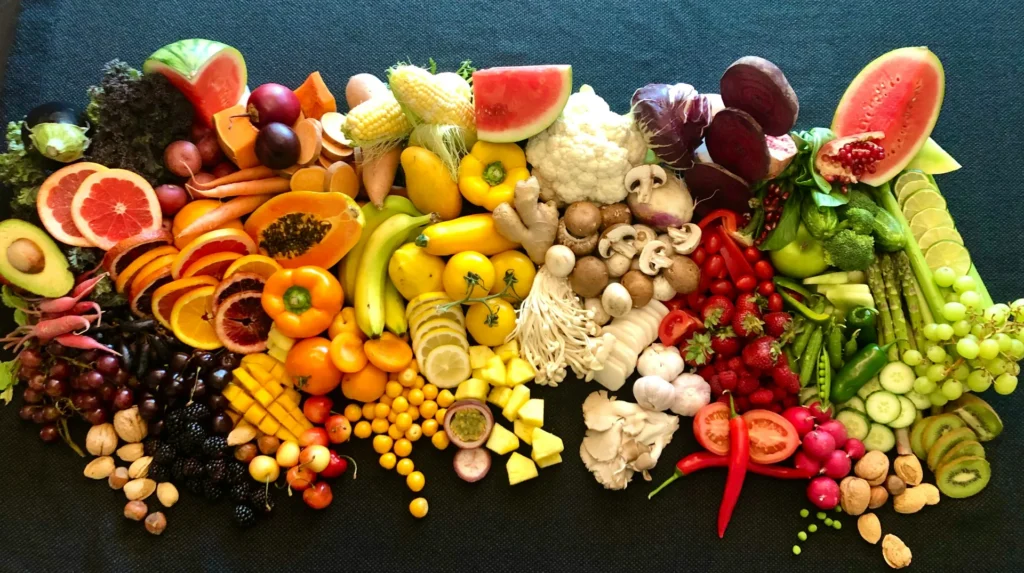
The basis of an anti-inflammatory diet consists of various vegetables and fruits, whole grain products, fatty fish, nuts, and legumes.
Nutrients that lower inflammation levels
A key role in reducing inflammatory states in the body is played by specific fatty acids and bioactive compounds. Omega-3 fatty acids, particularly EPA and DHA, found in fatty sea fish such as salmon, mackerel, or sardines, exhibit strong anti-inflammatory effects. Equally important are polyphenols – flavonoids, phenolic acids, and lignans – which are primarily found in leafy vegetables, berries, and nuts.
It is important to know that the body also needs vitamins C and E, magnesium, zinc, and selenium, which support anti-inflammatory functions. Monounsaturated fatty acids from sources like avocado, olive oil, or canola oil act as natural reducers of inflammation.
Soy, as a source of plant protein, contributes to the reduction of inflammatory markers, including interleukin 6, TNF-α, and CRP.
Principles of balanced anti-inflammatory nutrition
The foundation of a proper anti-inflammatory diet is diversity and balance. You should regularly consume seasonal vegetables and fruits – particularly, spinach, cabbage, carrots, tomatoes, kale, broccoli, bell peppers, onions, garlic, and eggplant have significant anti-inflammatory properties. Scientific studies show that consuming a large amount of vegetables is associated with lower levels of inflammatory markers in the blood.
Grain products should be whole grain with a low glycemic index – coarse grains such as buckwheat or bulgur, whole grain pasta, brown rice, whole grain bread, and cereal flakes are the foundation of a anti-inflammatory diet. Protein should primarily come from plants – soy in the form of tofu, chickpeas, lentils, beans – supplemented with fish and poultry. It is also worth including fermented dairy products such as kefir, yogurt, and buttermilk, which support the health of the gut in the anti-inflammatory diet.
Nuts, flaxseeds, chia, and other sources of healthy fats should not be missing.
Recommended natural supplements for an anti-inflammatory diet:
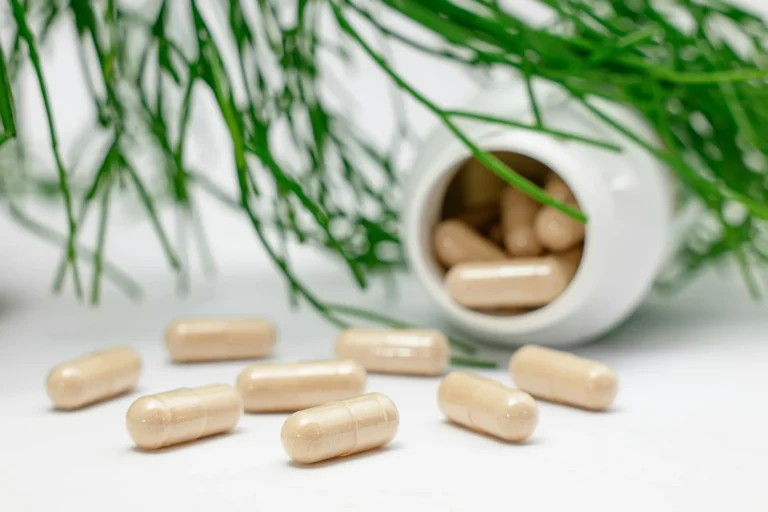
In an anti-inflammatory diet, olive leaf, thanks to its content of oleuropein and polyphenols, exhibits strong antioxidant properties and inhibits inflammatory markers like CRP, supporting the immune system and reducing chronic inflammation. Chlorophyll, found in leafy green vegetables, neutralizes free radicals and aids in detoxification, contributing to a decrease in oxidative stress and inflammatory states. Omega-3 fatty acids, especially EPA and DHA from fatty fish or flaxseed, modulate the immune response, lowering the production of pro-inflammatory cytokines and promoting resolvins, making them a key element in inflammatory prevention.
Best anti-inflammatory products
Fruits and vegetables – the foundation of a healthy diet
Among anti-inflammatory products, fruits and vegetables hold a special place. Due to their high content of polyphenols, anthocyanins, and carotenoids, they effectively neutralize free radicals and inhibit inflammatory processes. Berries, such as blueberries, blackberries, raspberries, strawberries, chokeberries, black currants, and cranberries are true antioxidant bombs. They are rich in anthocyanins, which directly lower inflammatory markers.
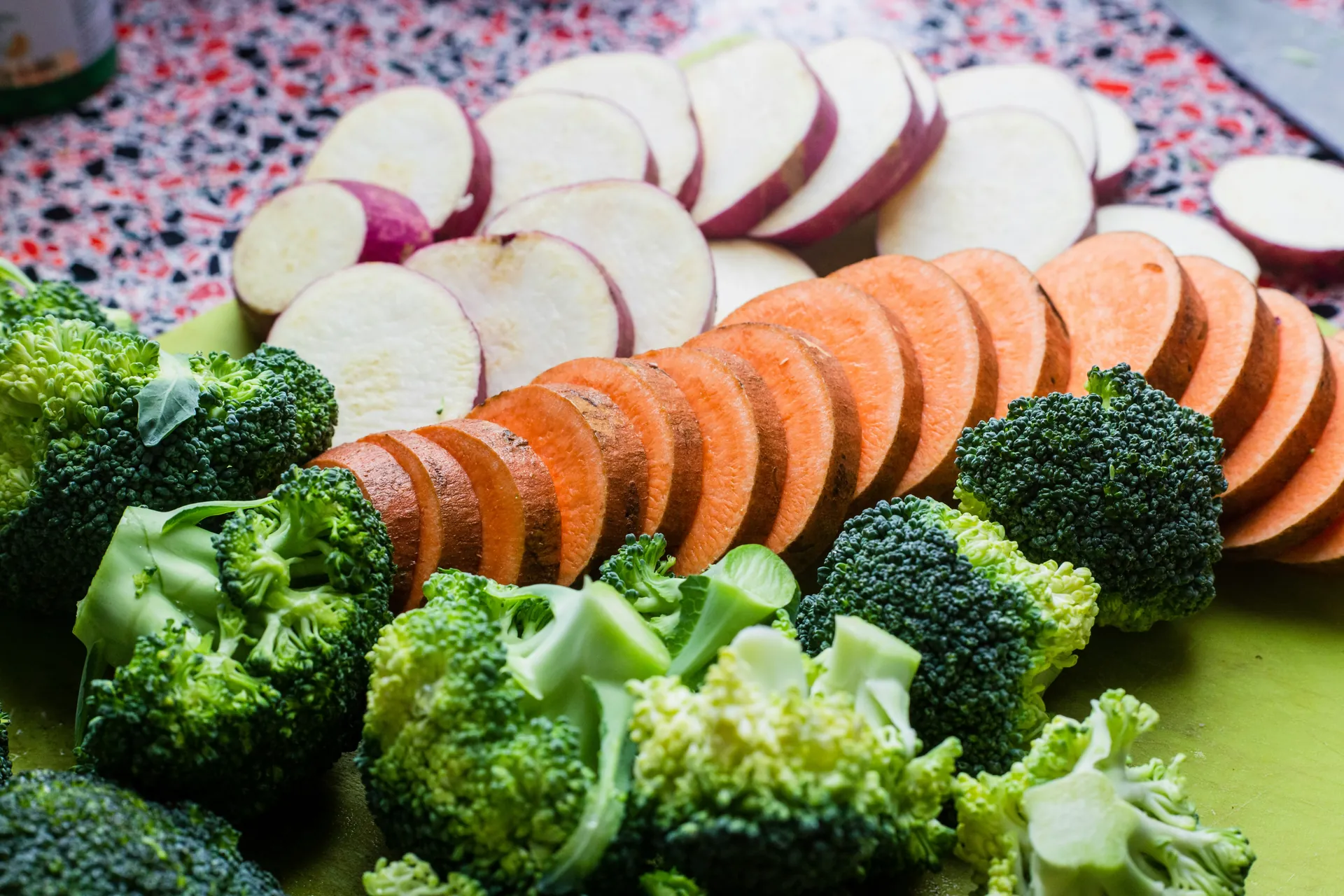
Cruciferous vegetables – broccoli, cauliflower, Brussels sprouts – provide glucosinolates and sulforaphane, which exhibit strong anti-inflammatory effects. Let’s not forget about tomatoes (source of lycopene), peppers, onions, garlic, spinach, kale, and beets. Thanks to their beta-carotene and vitamin C content, they effectively support the reduction of inflammation.
Whole grains and heart-healthy fats
Whole grains with a low glycemic index, such as brown rice, quinoa, or oats, stabilize blood sugar levels. This prevents spikes in pro-inflammatory diet. Healthy fats, especially extra virgin olive oil, canola oil, flaxseed oil, and avocados, rich in mono- and polyunsaturated fatty acids, protect the heart and blood vessels from inflammation.
Nuts – walnuts, almonds – and chia and flax seeds provide omega-3 fatty acids, which are crucial for maintaining lipid balance and inhibiting pro-inflammatory enzymes. These ingredients not only taste great but also directly contribute to reducing inflammation.
Proteins and their role in the anti-inflammatory diet
In a anti-inflammatory diet, protein should primarily come from fatty sea fish such as salmon, mackerel, or sardines. They are the best source of long-chain omega-3 fatty acids EPA and DHA, which reduce the synthesis of pro-inflammatory cytokines. Plant options like tofu, tempeh, or legumes (chickpeas, lentils) complement the diet by providing isoflavones with anti-inflammatory effects.
Fermented dairy products, including kefir and natural yogurt, support the gut microbiome, which in turn lowers systemic inflammation. By choosing these proteins, you not only satisfy hunger but also build a protective shield against inflammation.
What should be avoided in an anti-inflammatory diet?
Products that trigger and exacerbate inflammatory conditions
In a anti-inflammatory diet, it is essential to eliminate pro-inflammatory products that raise the levels of inflammatory cytokines and worsen chronic inflammation in the body. Above all, avoid refined sugars and sweets – corn syrup, white sugars, bars, cookies, and sweetened beverages, which rapidly increaseglycemic index and promote the synthesis of pro-inflammatory mediators such as IL-6 and TNF-α.
Equally harmful are trans fats found in fast food, fried dishes, margarines, and industrial cookies – these artificial fats directly increase inflammatory markers and the risk of cardiovascular diseases. Also, limit red and processed meats (cold cuts, sausages, hot dogs), which are high in saturated fatty acids that exacerbate inflammation.
Processed food and inflammation
Highly processed foods – chips, ready-to-eat meals, salted snacks, white bread, and pasta – are a trap for inflammation. They are full of chemical additives, salt, and refined carbohydrates, which disrupt the gut microbiome and increase the pro-inflammatory nature of the diet. Studies indicate that diets rich in such products significantly raise levels of pro-inflammatory cytokines, weakening the entire body.
Avoid excessive salt, alcohol, and energy drinks, which further destabilize inflammatory balance. Instead, focus on fresh, unprocessed ingredients – this will effectively reduce inflammation and restore harmony in the body.

The Mediterranean diet as a model of an anti-inflammatory diet
The Mediterranean diet is considered the ideal model of an anti-inflammatory diet. It stands out with the highest anti-inflammatory potential among all dietary patterns, as confirmed by numerous clinical and population studies. It combines high intake of vegetables, fruits, fish, olive oil, and whole grains with a limitation of processed foods. This effectively regulates body mass and metabolic risk factors.
Sample menu based on the Mediterranean diet
Here is a one-day anti-inflammatory diet menu, inspired by the Mediterranean model, adapted to Polish realities:
- Breakfast: Oatmeal made with plant milk, topped with berries, walnuts, and cinnamon; green tea.
- Second breakfast: Greek yogurt with mini kiwi and chia seeds.
- Lunch: Grilled salmon with quinoa, arugula salad, tomatoes, cucumber, and a dressing made from olive oil, garlic, and oregano.
- Afternoon snack: A handful of almonds and dried cranberries.
- Dinner: Chickpea, spinach, avocado, and pepper salad with olive oil and lemon juice dressing; slice of whole grain bread.
This diet plan ensures macronutrient balance and a wealth of bioactive compounds.
Key elements of a Mediterranean diet
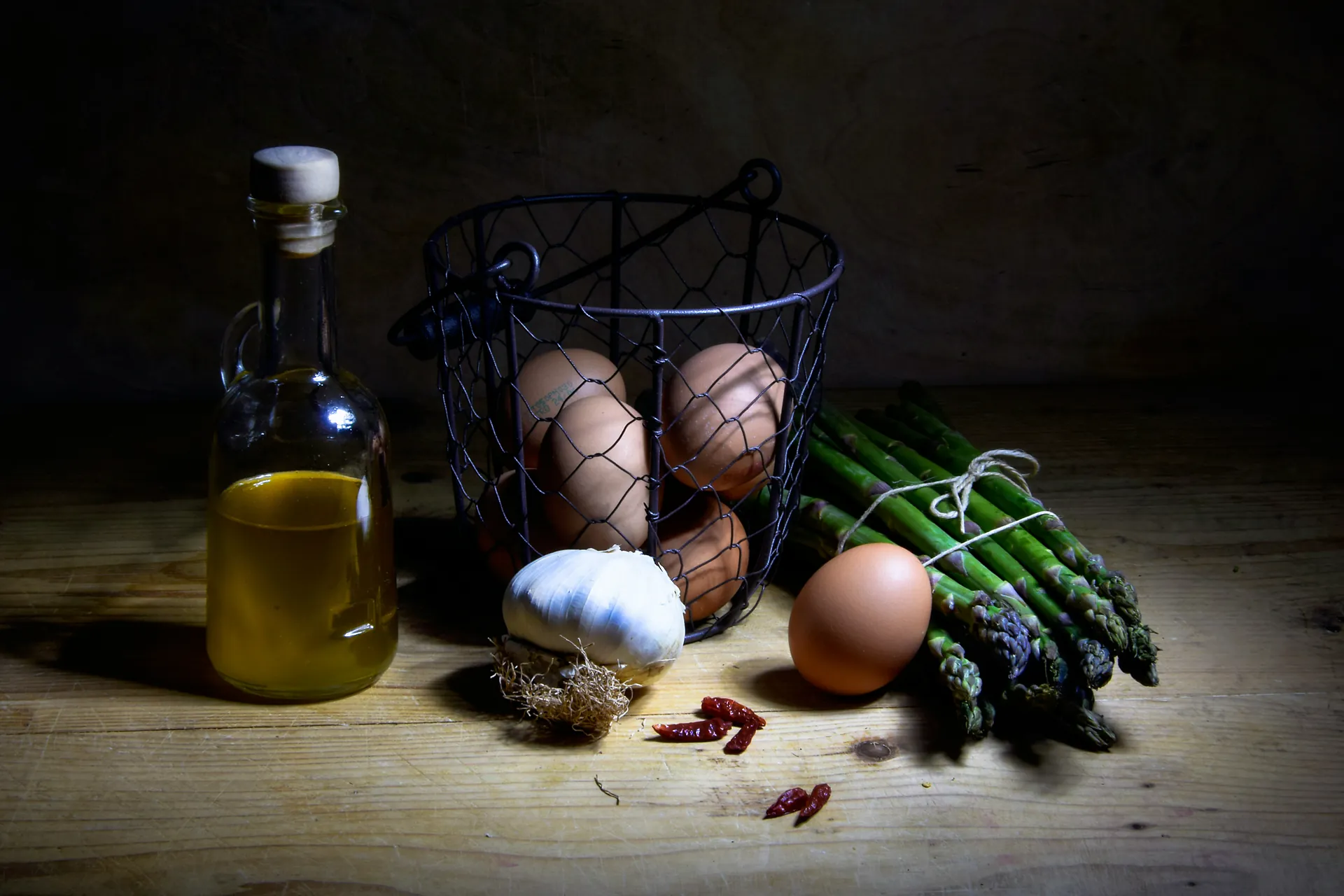
The essence lies in herbs and spices such as oregano, basil, rosemary, thyme, turmeric with pepper, and garlic. They enhance anti-inflammatory action due to their antioxidant and antibacterial properties. Moderate protein from fish, seafood, eggs, feta cheese, or Greek yogurt supplements the diet, while fiber from vegetables and grains supports gut microbiota, regulating inflammatory response. This model not only alleviates symptoms like joint pain in rheumatoid arthritis but also improves physical fitness and markers such as CRP.
Vegan and vegetarian sources of antioxidants
Plant-based diet is rich in powerful antioxidants that neutralize free radicals and enhance anti-inflammatory action without the need to rely on animal products. These vegan and vegetarian sources allow for effective reduction of inflammatory conditions even in a fully plant-based anti-inflammatory diet.
Plant treasures in the anti-inflammatory diet
The strongest natural antioxidants are found in herbs and spices – cloves, cinnamon, turmeric (with curcumin), oregano, thyme, basil, rosemary, ginger, and marjoram achieve the highest scores on the ORAC scale, effectively inhibiting inflammatory processes. Leafy green vegetables such as kale, spinach, arugula, and parsley provide chlorophyll with anti-inflammatory and anti-cancer properties.
Berry fruits – chokeberry, blackberries, blueberries, black currants – as well as citrus fruits, kiwi, and wild rose bombard the body with anthocyanins and vitamin C. Nuts (walnuts, almonds, Brazil nuts), seeds (chia, flaxseed, sesame, pumpkin seeds), and legumes (lentils, red beans) provide vitamin E, selenium, and lignans.
Balanced approach to a plant-based diet
For a plant-based diet to be anti-inflammatory balanced, it is beneficial to combine herbs (sage, black seed) with whole grain products like buckwheat, as well as herbs rich in gingerol or resveratrol. It is also a good idea to include green tea, cocoa, and dark chocolate (in moderation) for flavonoids, as well as medicinal mushrooms and algae like spirulina for comprehensive protection.
This approach not only prevents deficiencies but also maximizes the reduction of inflammatory states, making a vegan diet a powerful health tool.
How to plan anti-inflammatory meals?
Planning anti-inflammatory meals is based on several simple principles: prioritizing fresh ingredients, color rotation on the plate, and balancing macronutrients. This way, you can maintain a stable energy level and effectively combat chronic inflammation while avoiding monotony.
Anti-inflammatory breakfast – the best start to the day
Start the day with a anti-inflammatory breakfast that supports metabolism in antioxidant mode. Try carrot pancakes: grated carrot with whole grain spelt flour, an egg, and Greek yogurt, fried without fat. This dish is rich in beta-carotene and fiber.
An alternative could be a smoothie bowl with raspberries, banana, hazelnuts, and oatmeal or scrambled eggs with lamb’s quarters in clarified butter.
Other suggestions include egg salad with yogurt and chives on graham bread or apple pancakes baked with fruit puree and cashew cheese. These options are light, filling, and full of polyphenols.
Lunches and dinners that support the body
For lunch, we recommend pumpkin curry with quinoa and a coleslaw made of fermented cabbage or cream of white vegetables with garlic and ginger. These dishes help stabilize blood sugar levels and soothe the intestines.
Dinners should be light: a pasta salad with spring vegetables and herb dressing or whole grain bread sandwiches with salmon and cottage cheese.
Hummus and tzatziki groats or Neapolitan spaghetti with Provençal herbs are other suggestions – simple, tasty, and full of anti-inflammatory properties.
Snacks and Desserts – Healthy and Anti-Inflammatory
Keep snacks simple: pomelo with sunflower seeds, fruit cocktail with chives or salad with tomatoes, cucumber, and radishes with olive oil.
For dessert, prepare chia pudding with coconut milk, erythritol, and frozen blueberries. Chia seeds bind toxins and help stabilize blood sugar levels.
A banana, spinach, berry, turmeric, and ginger smoothie is perfect for a second breakfast – it curbs hunger between meals. Thanks to these choices, an anti-inflammatory diet will become a pleasure rather than a sacrifice.
Supplementation in an Anti-Inflammatory Diet
Although a anti-inflammatory diet based on natural products is the foundation of health, sometimes supplementing it with appropriate supplements can greatly enhance the fight against inflammations. It’s worth knowing that research confirms the effectiveness of selected natural substances that can support the body in reducing inflammatory states and alleviating symptoms of chronic diseases.
The Role of Supplements in Supporting the Fight Against Inflammations
Curcumin – the active ingredient of turmeric – exhibits potency comparable to pharmaceutical fatty acids NSAIDs. A meta-analysis of 8 studies showed a reduction in joint pain by 58%, while other studies confirmed a reduction in inflammatory markers CRP by 28% over 8 weeks. When combined with piperine, its bioavailability increases, making it even more effective.
Omega-3 fatty acids (EPA and DHA) – derived from fish oils – lower inflammatory markers such as IL-6 by 32% and TNF-alpha. They are particularly effective for rheumatoid arthritis. Boswellia serrata inhibits the enzyme 5-lipoxygenase, which is crucial in the inflammatory cascade; studies from 2024 show that 250 mg of extract daily reduces pain by 42%.
MSM supports cartilage regeneration, resveratrol lowers inflammatory markers and triglycerides, and probiotics support the gut microbiome, responsible for 70% of the anti-inflammatory action of the immune system. An innovative solution is urolithin A, which exhibits anti-inflammatory effects comparable to steroids, but without side effects.
When is it worth reaching for supplements?
Supplements are worth considering when a anti-inflammatory diet alone does not yield the expected results, especially for individuals struggling with chronic inflammation, joint pain, or advanced degenerative diseases. Individuals with rheumatoid arthritis can significantly benefit from the combination of curcumin (500 mg, 2-3 times a day) and omega-3, reducing morning stiffness and disease progression.
However, before you start supplementation, it is worth conducting tests for inflammatory markers – CRP, sedimentation rate, morphology, fibrinogen, and homocysteine – to assess the actual level of inflammation in the body. Remember that supplements should support, not replace, a pro-inflammatory diet. Nature provides most of the necessary ingredients if we choose wisely.
Pro-inflammatory diet and lifestyle
The pro-inflammatory diet works most effectively when combined with an appropriate lifestyle – regular physical activity and relaxation techniques. Such synergy helps reduce inflammatory states and improves the body’s immunity.
The impact of physical activity on inflammatory processes
Moderate, regular physical activity supports the release of anti-inflammatory cytokines, improves the circulation of immune cells, and supports mitochondrial function. All of this directly contributes to the inhibition of chronic inflammatory states. Moreover, intense effort stimulates macrophages to act against pathogens, and muscle contractions lead to the production of IL-6, which reduces systemic inflammation by releasing cortisol.
Physically active individuals have a 30-35% lower risk of developing inflammatory diseases. Resistance training in skeletal muscles supports the polarization of pro- and anti-inflammatory macrophages, aiding in tissue recovery and growth. Walking, yoga, or strength training effectively reduce inflammatory responses, especially in people leading a sedentary lifestyle.
However, it is important to remember that excessive physical exertion without proper recovery can increase inflammatory markers such as CRP and ESR. Therefore, moderation in physical activity is crucial.
Relaxation and rest – their role in reducing inflammation
Chronic stress activates the HPA axis, leading to increased levels of cortisol and pro-inflammatory cytokines. Therefore, relaxation techniques such as meditation, deep breathing, or yoga can reduce inflammatory markers by up to 20-30%.
The quality of sleep plays a key role here. Regular sleep lasting 7-9 hours per night helps regulate the circadian rhythm, supports gut microbiome, and reduces levels of IL-6 and CRP. Breathing exercises and mindfulness practices further reduce oxidative stress, strengthening the effects of an anti-inflammatory diet.
Lack of proper rest can exacerbate inflammation, regardless of the diet followed. By integrating relaxation, physical activity, and appropriate nutrition, holistic reduction of inflammatory states can be achieved.
Anti-inflammatory diet: Your health on the plate
An anti-inflammatory diet is a powerful tool in combating chronic inflammation. Focus on vegetables, fruits, whole grains, healthy omega-3 fats, and plant-based fatty acids. Avoid processed foods, sugars, and trans fats. Remember to include products with a low glycemic index, a high amount of fiber, antioxidants, and anti-inflammatory properties inspired by the Mediterranean diet.
Combine these habits with regular physical activity and relaxation to achieve synergistic effects. Start today – plan an anti-inflammatory diet menu, choose fresh products, and observe how your body calms down.
It’s worth knowing: health begins on the plate – act now for long-term well-being!

FAQ
An anti-inflammatory diet is a way of eating that helps reduce inflammation in the body by incorporating foods rich in antioxidants, omega-3 fatty acids, and fiber. The main principles include:
Consuming a large amount of vegetables, fruits, whole grains, fatty fish, nuts, and seeds.
Limiting processed foods, simple sugars, trans fats, and refined carbohydrates.
Choosing natural, minimally processed products.
Foods that support anti-inflammatory action include:
Leafy green vegetables, such as spinach or kale.
Berries, e.g., blueberries, raspberries.
Nuts and seeds, including chia and flaxseeds.
Fatty fish, such as salmon.
Turmeric with added pepper.
Olive oil.
Whole grain products and fermented foods.
To avoid worsening inflammation, one should avoid:
Trans fats and saturated fats found in fast food or margarine.
Red and processed meats.
Simple sugars, such as sweets or sugary drinks.
White bread.
Alcohol.
Processed foods containing preservatives.
Yes, an anti-inflammatory diet is suitable for people with autoimmune diseases such as rheumatoid arthritis, Hashimoto’s, or endometriosis. It supports therapy and helps alleviate inflammation. It is recommended to follow it long-term as a lifestyle. Studies show effects can be visible after 8-10 weeks, but it’s advisable to consult a doctor before starting the diet.

Conscious man - aware of the value of health and the need to take care of health. I prefer prevention. How do I do it? - conscious supplementation of the daily diet with the best supplements. Independent distributor of Nature's Sunshine products. Both me and my whole family use NSP supplements and cosmetics on a regular basis.