Aloe is an amazing plant. It contains over 200 active ingredients, including vitamins, minerals, amino acids, enzymes, and fatty acids. People have been using aloe for medicinal purposes for over 500 years!
- Aloe and its secrets – how to recognize and choose this medicinal plant?
- How to apply aloe to gain the most benefits?
- Growing aloe at home – how to do it?
- Is aloe suitable for everyone? Contraindications and possible side effects
- Aloe - the most important
- What does aloe contain?
- Beneficial properties of aloe
- Cleanse your body with aloe!
- FAQ
Aloe and its secrets – how to recognize and choose this medicinal plant?
Types of aloe – which is best for ailments?
Dear Reader, among the many varieties of aloe, common aloe (Aloe vera, Aloe barbadensis) and tree aloe (Aloe arborescens) stand out. They are the most commonly used in medicine and cosmetics. Common aloe, with thick, fleshy leaves edged with spines, contains vitamins A, C, E, B12, and folic acid, making it ideal for burns, acne, or inflammatory skin conditions. Meanwhile, tree aloe supports the immune system, helps with respiratory tract inflammations, and lowered immunity.
Other species, such as armed aloe (Aloe ferox), are mainly used in cosmetics, while ornamental varieties, such as variegated aloe (Aloe variegata), do not have strong therapeutic properties. Choose proven varieties to maximize health benefits.
How to recognize medicinal aloe?
Medicinal aloe, such as Aloe vera, has thick, fleshy leaves that are gray-green in color with soft spines. This distinguishes it from the sharper leaves of tree aloe or the rough leaves of armed aloe. Avoid varieties like Aloe chinensis, which are suitable only for external use. True medicinal aloe is characterized by a dense, green rosette and a lack of strong odor, ensuring safety in daily care.
Always check labels and sources to be sure of the species.
How to apply aloe to gain the most benefits?
Using aloe externally – aloe for skin and hair
Dear reader, apply aloe gel externally by directly placing it on the skin and gently massaging it into the cleansed surface of your face or body. This moisturizes the skin and supports the regeneration of the epidermis. For hair, use aloe as a treatment – apply a small amount of aloe gel to the scalp, massaging with your fingertips for 5-10 minutes. Then leave it on for 30-60 minutes or overnight under a cap. This treatment soothes irritations, reduces itching, and regulates sebum production.
To smooth strands, you can apply aloe gel to the length and ends of dry hair as a serum, remembering not to use it in excess to avoid clumping the strands. Alternatively, use it as a base for oiling in a 1:1 ratio with vegetable oil. Regular treatments, performed 2-3 times a week, give hair shine, elasticity, and make it easier to comb.
Internal use of aloe – how to drink aloe juice for health?
Aloe vera can be taken internally as a dietary supplement. Simply dilute 1-2 tablespoons of pure aloe vera leaf juice in a glass of water or juice and drink once daily before meals. This method supports digestion and boosts immunity. Choose aloe vera juice derived from common aloe with a slightly astringent taste, free of aloin (the bitter compound found in the leaf bark), which ensures safe usage. The recommended dosage for adults is up to 100 ml per day. Start with smaller amounts to test your body’s tolerance and store the juice in the refrigerator after opening.
Recipes for homemade aloe products
Here are some simple recipes:
- Hair mask: Mix 3 tablespoons of aloe gel with a tablespoon of honey, apply to strands for 30-40 minutes, and then rinse with shampoo. This mask will provide intense hydration.
- Hair rinse: Combine aloe gel with water in a 1:2 ratio and use it after washing your hair. This will give you a smoothing effect and prevent hair from becoming static.
- Oil treatment mixture: Mix 10 ml of aloe gel with 10 ml of coconut oil. Apply to hair, cover with a cap and towel, and then heat with a hairdryer for 10 minutes. Rinse after an hour.
These homemade preparations will enrich your daily skin and hair care, providing them with natural ingredients and deep nourishment.
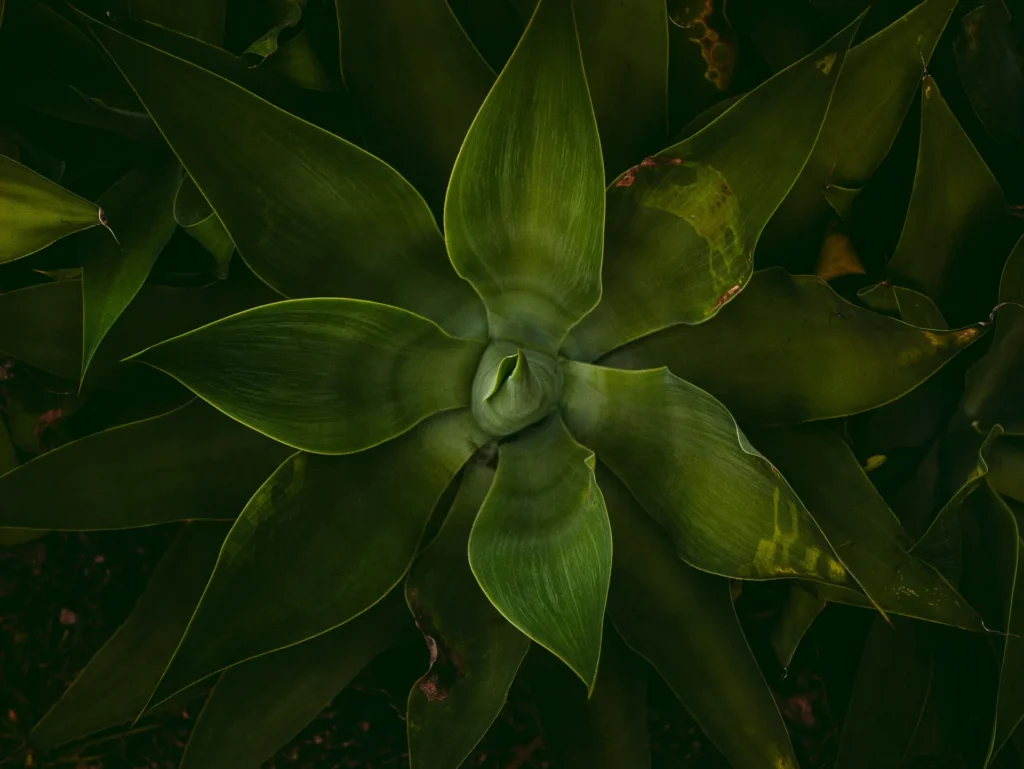
Growing aloe at home – how to do it?
Aloe cultivation basics – conditions you need to provide
Dear Reader, for the ordinary aloe to grow harmoniously in your home, you must provide it with appropriate conditions. The ideal temperature for growing aloe is 18–24°C, and in winter it can be lowered to 15–18°C, as the plant enters a resting state – however, avoid temperatures below 5°C, which can be deadly for the plant.
Aloe requires a lot of light, but it cannot tolerate direct, burning sunlight all day; an ideal spot would be by a window facing east or west, where it can receive filtered light for 6–8 hours a day. In well-lit areas, the leaves take on an intense green color and achieve the appropriate thickness.
A fundamental element is the appropriate substrate and pot. Aloe prefers a dry climate, so choose a wide, shallow terracotta pot with porous walls that can drain excess moisture, protecting against root rot. Cover the bottom of the pot with expanded clay or ceramic gravel, and use a permeable, sandy soil as a substrate – cactus and succulent soil enriched with grit or perlite works perfectly, ensuring quick water drainage.
Young specimens should be repotted every 2–3 years, preferably in spring, into a larger pot.
How to care for aloe to enjoy its benefits?
The fundamental principle of care is to avoid overwatering. Since aloe stores water in its fleshy leaves, it does not require frequent watering – just water sparingly, avoiding waterlogging in the substrate. Water the soil only when it has completely dried out – during the growing season (spring and summer), this may be once every 2–3 weeks, whereas in winter much less often.
It is also important to ensure adequate air circulation around the plant, so do not place the pot in tight corners or behind curtains.
In summer, you can place the aloe on the balcony or terrace, but gradually acclimatize it to outdoor conditions. In winter and autumn, place the plant near a window where it will receive natural light. If the indoor conditions are too dark, consider using artificial lighting for 4–6 winter months – however, remember not to place the lamp too close to avoid overheating the leaves.
Regularly check the health of the plant for pests or diseases, and also pay attention to the appearance of the leaves – intense green and thickness indicate proper care.
Potential problems in growing aloe and how to deal with them
The most common problem is overwatering, leading to root rot – if you notice that the leaves are turning gray or translucent, immediately reduce the frequency of watering and check if the substrate has proper drainage. A plant kept in too dark a place starts to stretch, and its leaves pale and lose their vibrant color – move it to a brighter spot or install artificial lighting.
If aloe is placed too close to a heater or in a location with excessively high temperatures, it poorly tolerates overheating – move the pot to a safer place, away from the heat source. Remember that aloe doesn’t like dark rooms, too much moisture, or overheating – if you take care of these three aspects, it will surely grow beautiful and green.
Is aloe suitable for everyone? Contraindications and possible side effects
Safe use of aloe – what do you need to remember?
Dear Reader, before incorporating aloe into your daily routine, always perform an allergy test: apply a small amount of aloe vera gel to the inner side of your forearm and wait for 2 hours, observing the skin’s reaction – absence of redness confirms the safety of external use.
When using aloe juice internally, start with minimal doses, e.g. 1 tablespoon per day, gradually increasing to the recommended amount, and monitor your body’s reactions, stopping in case of discomfort. Choose products free from aloin (bitter latex from the leaf root) to avoid strong laxative effects and store them according to the manufacturer’s instructions.
When should you be cautious when using aloe?
Aloe is not recommended for pregnant and breastfeeding women due to the risk of uterine contractions, bleeding, and diarrhea in infants. Avoid it in cases of kidney disease, hemorrhoids, diabetes, Crohn’s disease, ulcerative colitis, intestinal obstruction, heart diseases, or potassium deficiencies, as it may exacerbate symptoms such as diarrhea, nausea, muscle weakness, or electrolyte imbalances.
Individuals taking medications – diuretics, corticosteroids, digoxin, warfarin, antidiabetic drugs, or anticoagulants – should consult with a doctor, as aloe may interact by lowering potassium levels or affecting the efficacy of treatments. Suspend use for 2 weeks before planned surgery, and exercise caution with children under 12 years of age.
If blood in urine, abdominal pain, or nausea occurs, immediately cease use and report to a specialist.
Aloe – the most important
Dear Reader, aloe is a true natural treasure – it moisturizes the skin, accelerates wound healing, supports digestion, and strengthens immunity due to its anti-inflammatory and antibacterial properties. Remember to make a safe choice of common aloe, proper home cultivation, and allergy tests, avoiding contraindications such as pregnancy or drug interactions.
Include aloe vera or aloe juice in your daily skincare routine and diet to experience benefits for your entire body. Start today – grow your own plant or reach for a trusted product and discover its healing power!
What does aloe contain?
Aloe contains vitamins A, C, E, B9, B1, B2, B12, and B6.
Aloe contains calcium, magnesium, zinc, chromium, selenium, sodium, potassium, iron, copper, and manganese.
Aloe contains amino acids – the building blocks of proteins. There are 22 amino acids essential for the proper functioning of our body. As many as 20 are found in aloe.
Beneficial properties of aloe
Aloe is an adaptogen – it strengthens natural immunity, helps regain mental and physical balance after difficult experiences. It also aids in cleansing the body of harmful components found in air and soil, i.e., in food.
Aloe supports digestion – it cleanses the digestive tract, regulates bowel function and the cycle of evacuations. It alleviates symptoms of irritable bowel syndrome and reflux. It aids in regulating bacterial flora in the intestines. It has anti-parasitic properties: it helps get rid of unwanted tenants such as tapeworms, human roundworms, or pinworms.

Cleanse your body with aloe!
Aloe cleanses the body. This process occurs in the intestines and involves binding the toxic substances with polysaccharides (complex carbohydrates) contained in aloe and expelling them from the body. Aloe supports the cleansing of the liver, kidneys, and skin.
Aloe alkalizes the body. Most diseases develop in an acidic environment. We consume many foods that acidify our digestive system and the entire body. Aloe is alkaline and helps balance the acidic pH.
Aloe supports the circulatory system, which is responsible for oxygenating the entire body, including the digestive system. It helps cleanse the veins of cholesterol deposits, facilitating circulation and the transport of nutrients.
Aloe fights free radicals, which are responsible for the formation of cancer cells.
Aloe acts like an antibiotic – it belongs to the same plant family as garlic and onion. The substances contained in aloe (e.g., salicylic acid, cinnamic acid) prevent the growth of pathogenic microorganisms and increase antibacterial activity.
FAQ
The main active ingredients in aloe are polysaccharides (acemannan), vitamins A, C, E, and B12, minerals (zinc, magnesium, calcium, selenium), amino acids, enzymes, salicylic acid, anthraquinones, and plant sterols. These substances have anti-inflammatory, regenerative, antibacterial properties and support the immune system.
To safely use aloe vera gel, first perform a patch test on the inner wrist and wait 24 hours. Before application, thoroughly clean the skin. Apply the gel as a serum on the cleansed skin before your moisturizer.
Do not leave it on your face for more than a few minutes to avoid drying. Choose cosmetic products with aloe instead of fresh juice, which may irritate sensitive skin. If you feel a burning sensation, use soothing oils.
Not all varieties of aloe are safe for consumption. Aloe vera is the safest.
Before consuming juice from home-grown aloe, ensure it is a safe variety without harmful alkaloids. Pharmacy products are more controlled and safer.
Always follow the recommended dosage and take breaks.
Aloe grows best in places with access to light, but avoid direct sunlight, which can buhe leaves. Place the plant in an area where the temperature is stable and there are no drafts.

Conscious man - aware of the value of health and the need to take care of health. I prefer prevention. How do I do it? - conscious supplementation of the daily diet with the best supplements. Independent distributor of Nature's Sunshine products. Both me and my whole family use NSP supplements and cosmetics on a regular basis.